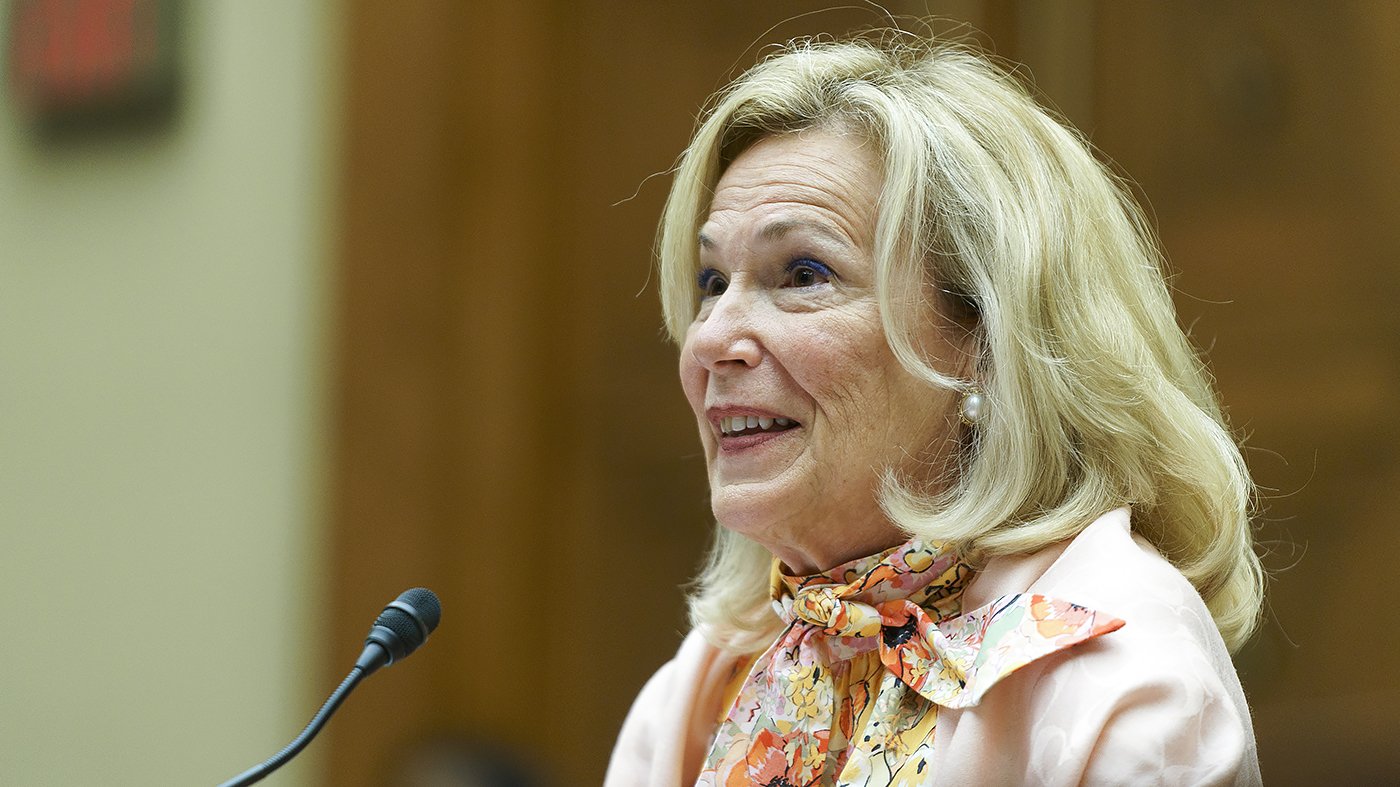
Dr. Deborah Birx, who served as White House coronavirus response coordinator under President Trump, told CBS News on Sunday that the United States is prepared to manage an Ebola outbreak, despite top health agencies operating without permanent directors.
In an interview on Face the Nation, host Nancy Cordes pressed Birx on whether the U.S. can effectively respond to infectious disease threats given that the Centers for Disease Control and Prevention (CDC), the Food and Drug Administration (FDA), and the Surgeon General's office all lack Senate-confirmed leaders. Birx acknowledged the concern but pointed to the federal government's institutional expertise.

“I think it’s a great question, and watching how this plays out will be very important,” Birx said. “They’ve already created an interagency Ebola response task force. And just to reassure the American public, I was in the federal government for 40-plus years and in the military for 29—there’s a deep bench.”
She added that while confirmed agency heads are important, the career staff at these agencies are capable. “I think people have been nominated to at least the CDC, so that’s very important. But we do have a deep bench in many of these agencies, and I really—I know them, they’re great people,” she said.
The comments come as an outbreak of Ebola Bundibugyo virus disease (BVD) spreads across central Africa. The World Health Organization has declared it a public health emergency of international concern, with over 500 suspected cases reported from the Democratic Republic of the Congo alone.
The outbreak is the first major test of U.S. global health capacity since the Trump administration cut funding to international programs and pulled back from multilateral engagement. Last year, the U.S. Agency for International Development (USAID) was shuttered, and the U.S. formally withdrew from the World Health Organization.
Public health experts warn that these cuts are hampering the response and likely delayed detection of the virus. The U.S. is now sending resources and expert teams overseas, but critics say the damage to surveillance and response networks is already done.
The Biden-era health agency vacancies add another layer of concern. As the nation marks six years since the COVID-19 pandemic began—a crisis that overwhelmed hospitals, shut down the economy, and killed hundreds of thousands—questions about preparedness remain acute. Birx’s reassurances come amid broader political turmoil, including a White House rift over a last-minute AI order reversal and legal experts slamming a $1.8 billion fund as a sham.
Birx, who served in both Republican and Democratic administrations, stressed that the federal workforce retains the skills to manage a health emergency. “We do have a deep bench in many of these agencies, and I really—I know them, they’re great people,” she said.