House Republicans on Thursday thwarted a Democratic maneuver to pass a resolution constraining President Trump's ability to wage military action against Iran. The attempt occurred during a brief, largely ceremonial pro forma session of the House, highlighting the deepening partisan divide over war powers and the administration's handling of escalating tensions.
Procedural Blockade
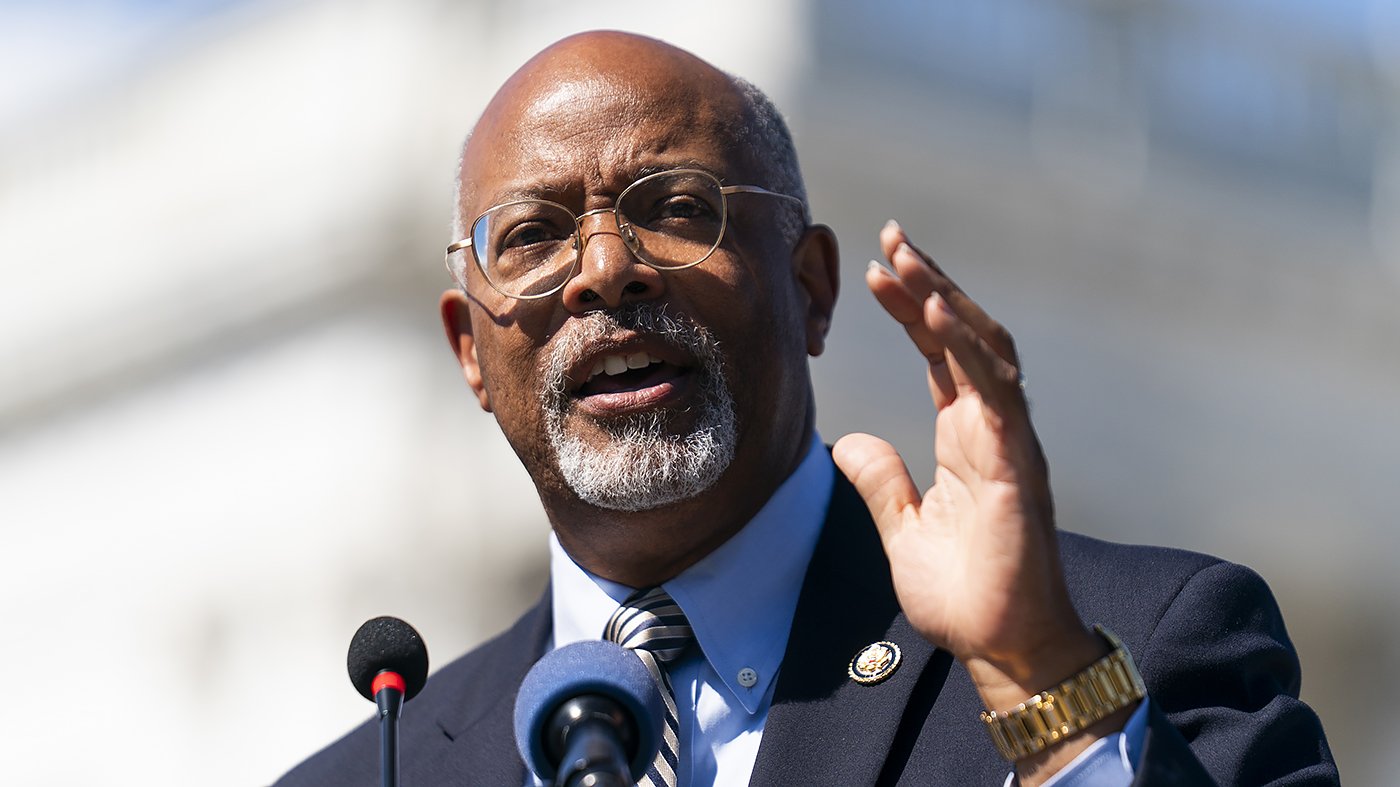
Democratic Representative Glenn Ivey of Maryland sought recognition from the chair to introduce a privileged resolution authored by House Foreign Affairs Committee ranking member Gregory Meeks of New York. The measure aimed to force a termination of military operations against Iran without explicit congressional approval. However, the presiding officer, Republican Representative Chris Smith of New Jersey, gaveled the session closed without acknowledging Ivey's request.
Several Democratic members present vocally objected as the session ended abruptly. "End the war. Let us vote," shouted Representative James Walkinshaw of Virginia. Ivey argued, "The Congress needs to consider this. The time has come." Other Democrats in attendance included Representatives Don Beyer and Suhas Subramanyam of Virginia, Sarah Jacobs of California, and Mary Gay Scanlon and Madeleine Dean of Pennsylvania.
Political Context and Escalating Criticism
The failed procedural play, while anticipated, signals a renewed and intensified focus by congressional Democrats on challenging Trump's management of the Iran conflict. This comes despite a recently announced ceasefire. Democrats are ramping up criticism following a Truth Social post by Trump this week in which he threatened to eliminate an "entire civilization" if Iran did not open the Strait of Hormuz.
Speaking to reporters after the session, Democrats condemned the president's rhetoric and called for Republican leaders to reconvene Congress formally. "We cannot excuse what the President said as a negotiating tactic. Threatening genocide is not a negotiating tactic," said Representative Sarah Jacobs. Representative Madeleine Dean added, "How much farther into the dark corners of this President's mind must we go before leaders stand up?"
Upcoming Votes and Shifting Dynamics
Senate Minority Leader Chuck Schumer confirmed the Senate will hold another vote on a similar war powers resolution. House Democrats are also expected to force another floor vote. The political landscape has shifted since the House last defeated a comparable measure in early March. At that time, only two Republicans supported it, while four Democrats opposed it. Notably, three of those Democrats have since indicated they are now open to supporting the resolution, potentially altering the vote count.
This internal Democratic pressure comes as the party grapples with other foreign policy divisions, such as when Senator John Fetterman broke with his party to announce his opposition to an earlier Iran war powers resolution. The administration's stance remains firm, with Trump vowing to maintain military pressure on Iran until what he calls a "real agreement" is honored.
Broader Congressional Agenda
The clash over Iran war powers is set to be a central issue when Congress returns to full session. The debate intersects with other major legislative and oversight priorities confronting lawmakers. The administration continues to face legal challenges on other fronts, including a recent federal court ruling blocking its termination of humanitarian protections for Ethiopians.
Thursday's events underscore the procedural and political tools both parties are willing to employ in the high-stakes debate over congressional versus executive war powers. With the Iran situation remaining volatile, further confrontations on Capitol Hill are virtually guaranteed as Democrats seek to impose legislative checks on the president's military authority.