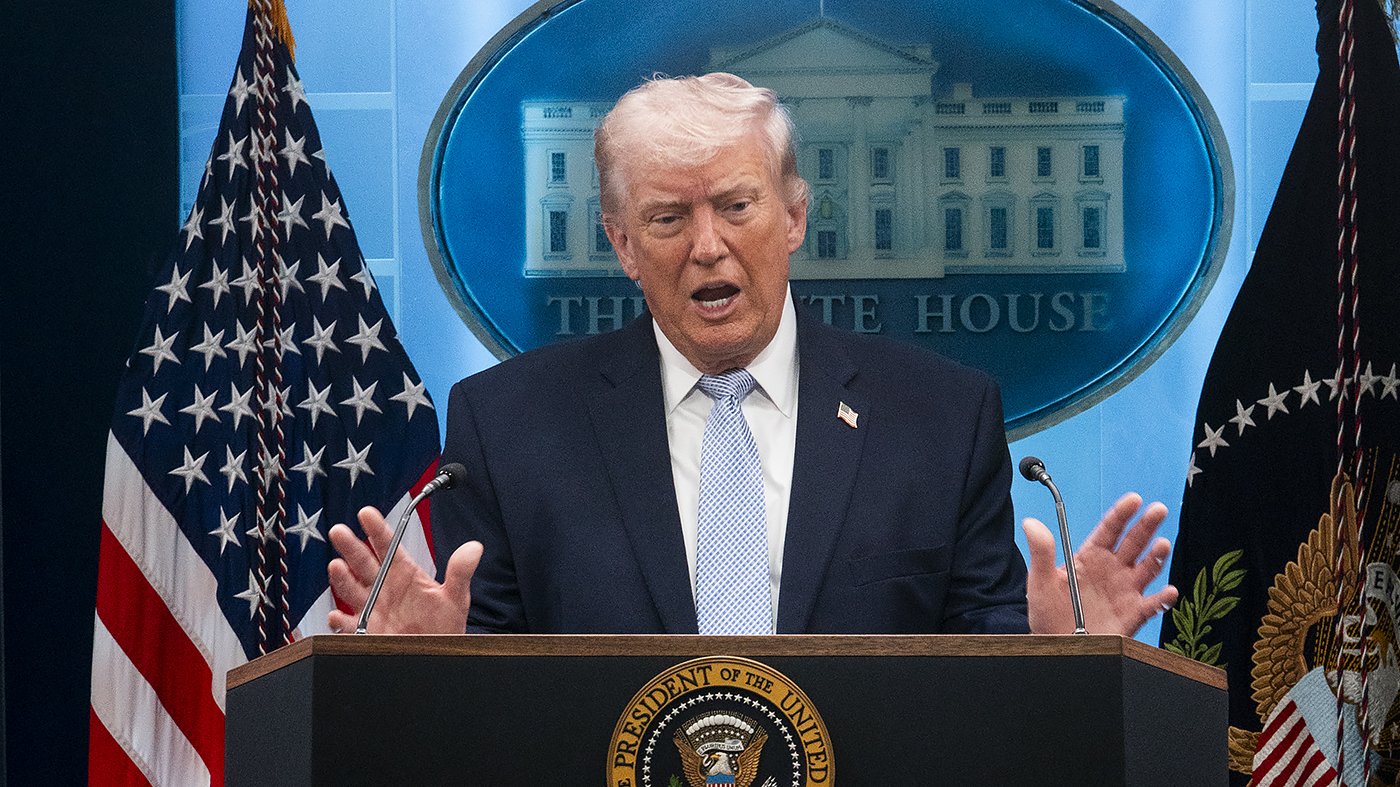
President Donald Trump declared late Wednesday that American military forces will maintain their presence in the Middle East, specifically positioned in proximity to Iran, until Tehran demonstrates full adherence to what he termed the "real agreement" between the two nations. The statement, issued via his Truth Social platform, carried a stark warning of potential conflict.
"If for any reason it is not, which is highly unlikely, then the 'Shootin' Starts,' bigger, and better, and stronger than anyone has ever seen before," Trump wrote. This public threat underscores the administration's hardline stance as delicate diplomatic efforts continue. The ceasefire, which halted a 38-day military campaign, has already drawn significant bipartisan criticism from lawmakers questioning its long-term viability.
Diplomatic Push Amid Regional Instability
Vice President J.D. Vance is scheduled to lead the next phase of U.S. negotiations with Iranian officials this weekend in Islamabad. These talks occur against a backdrop of regional volatility, where the ceasefire faces immediate pressure from ongoing hostilities between Israel and Hezbollah in Lebanon. The situation tests the durability of the pause in direct U.S.-Iran conflict, which some commentators, like Megyn Kelly, have controversially labeled a necessary "surrender."
Meanwhile, internal friction at the Pentagon is complicating the military posture. Relations between Defense Secretary Pete Hegseth and Army Secretary Dan Driscoll are described as tense following Hegseth's recent purge of senior Army leadership. This internal strife could impact command cohesion as the military prepares to enforce the President's demands.
Political Maneuvering in Washington
On Capitol Hill, legislative challenges to the administration's Iran policy are mounting. House Democrats plan to attempt passing a war powers resolution through unanimous consent on Thursday, an effort Republicans are expected to block. In the Senate, Democrats are forcing a vote to curtail the President's war authority, reflecting deep concerns over the potential for renewed and expanded conflict.
The administration's approach has received a mixed reception within the Republican Party. While some GOP members have welcomed the ceasefire, they simultaneously warn of the fragile path ahead. Prominent figures like Senator Lindsey Graham have publicly raised concerns about the terms of the deal, even as Trump imposed a two-week pause on strikes.
President Trump's schedule for Thursday includes policy meetings and a roundtable discussion, while First Lady Melania Trump is expected to make a public statement in the afternoon. The President's latest threats follow a pattern of explicit warnings about consequences for Iranian violations, establishing clear red lines for the nascent diplomatic process.
The coming days will be critical in determining whether the ceasefire holds or collapses. The combination of high-stakes diplomacy led by Vance, simmering regional proxy conflicts, domestic political opposition, and the President's unequivocal threat of force creates a precarious situation for U.S. foreign policy and international security.