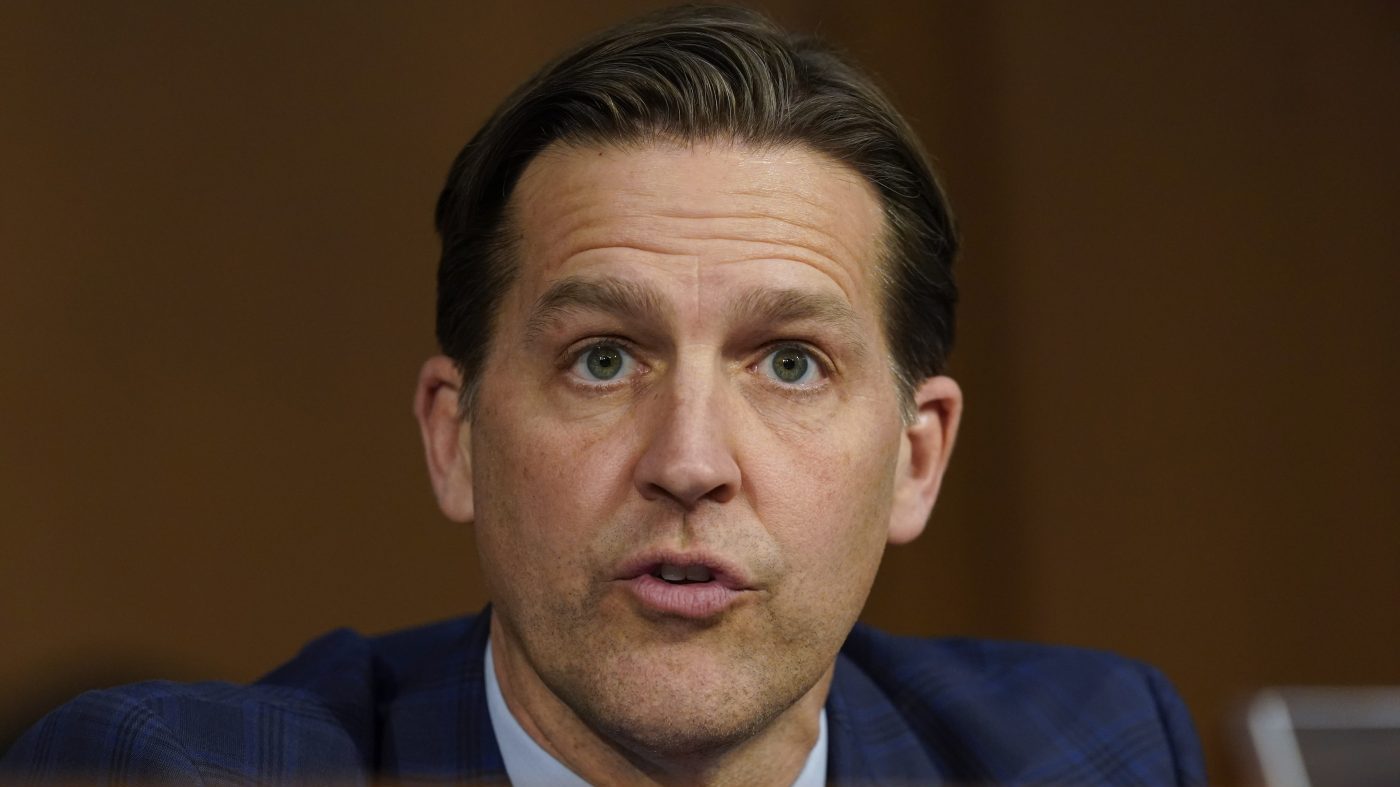
In a candid interview released Thursday, former U.S. Senator Ben Sasse detailed his ongoing battle with advanced cancer, offering a stark view of his prognosis and a philosophical perspective on mortality. The Nebraska Republican spoke with New York Times columnist Ross Douthat on his "Interesting Times" podcast, less than four months after publicly disclosing his Stage 4 pancreatic cancer diagnosis.
A Dire Prognosis and Multiple Diagnoses
Sasse revealed that in mid-December, doctors gave him a life expectancy of three to four months. "I'm at Day 99 or something since then, and I'm doing a heck of a lot better than I was doing at Christmas," he told Douthat. The former senator explained that physicians identified five separate cancers in his body: lymphoma, vascular cancer, lung cancer, liver cancer, and the originating pancreatic cancer. "So, it was pretty clear that we're dealing with a short number of months left to live," Sasse stated.
The interview provided a window into Sasse's medical journey since leaving his position as president of the University of Florida in July 2024, a resignation he attributed to his wife Melissa's epilepsy diagnosis. His political career included eight years representing Nebraska in the Senate, preceded by a tenure as president of Midland University.
Treatment and Physical Toll
Sasse praised his medical team, including his hospice doctor and oncologists Shubham Pant and Bob Wolff at Houston's M.D. Anderson Cancer Center. He described their work metaphorically: "They describe their work as being up here with a little pickax on a giant Hoover Dam working on pancreatic cancer. They get little cracks at the top and sometimes little bits of water splash over and there's somebody else doing it 400 meters over."
Physically, Sasse reported his pain has decreased by approximately 80 percent since his initial diagnosis. However, he continues to experience nausea and visible side effects, including facial bleeding caused by the drug daraxonrasib. During the conversation, dried blood was visible on his face.
Personal Reflections and Family
The father of three expressed profound concern about leaving his family. "I didn't like the idea of my 14-year-old son not having a dad around at 16," Sasse remarked. "I didn't like the idea of my daughters, who are 22 and 24, not having their dad there to walk them down the aisle. I felt a real heaviness about that."
Despite this emotional weight, Sasse articulated a complex acceptance of his situation. "I have continued to feel a peace about the fact that death is something that we should hate," he said. "We should call it a wicked thief. And yet, it's pretty good that you pass through the veil of tears one time and then there will be no more tears, there will be no more cancer."
His commentary joins other personal and political battles making headlines, such as the legal fight of an Army sergeant trying to prevent his wife's deportation and the escalating legal confrontation between OpenAI and Elon Musk. Sasse's reflections offer a rare, unfiltered look at facing terminal illness from a figure who has operated at the highest levels of American politics and academia.