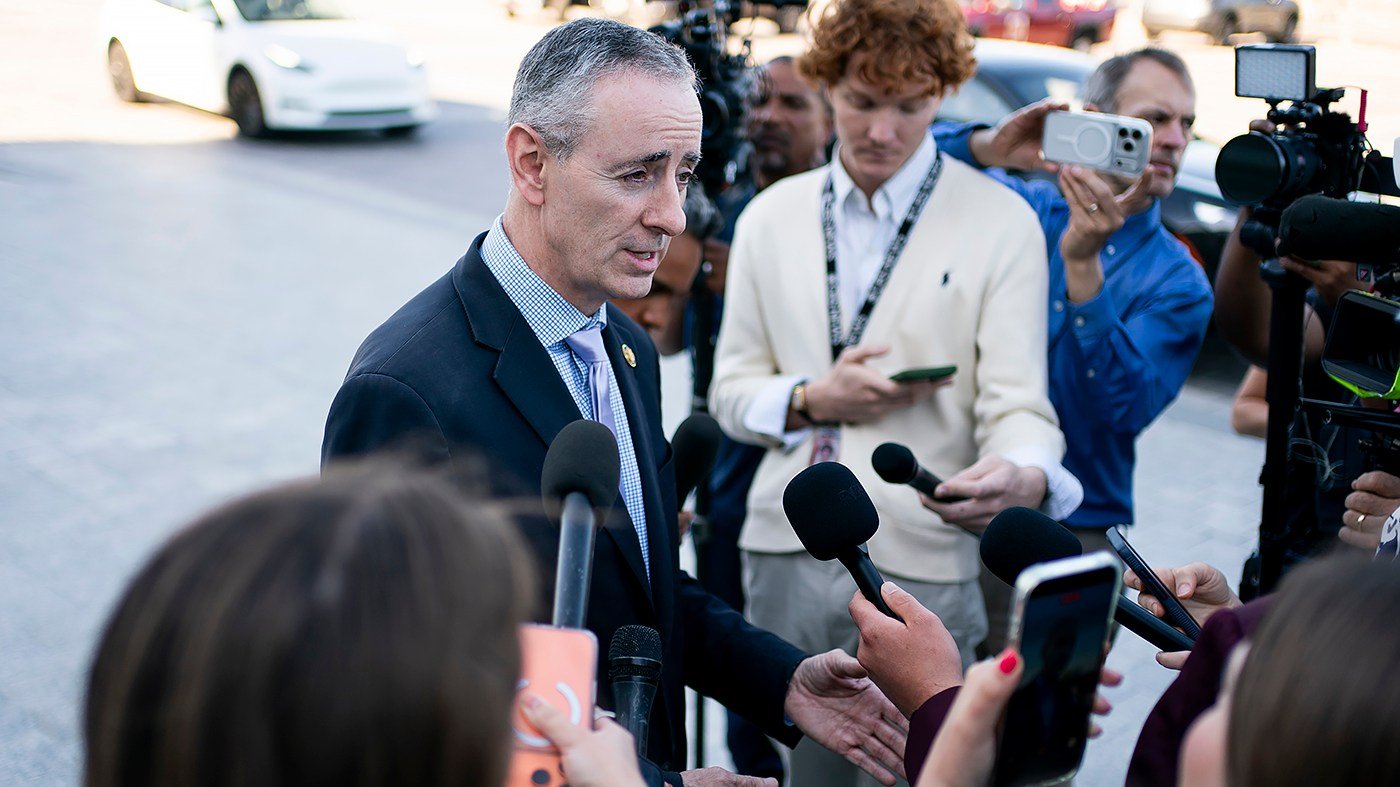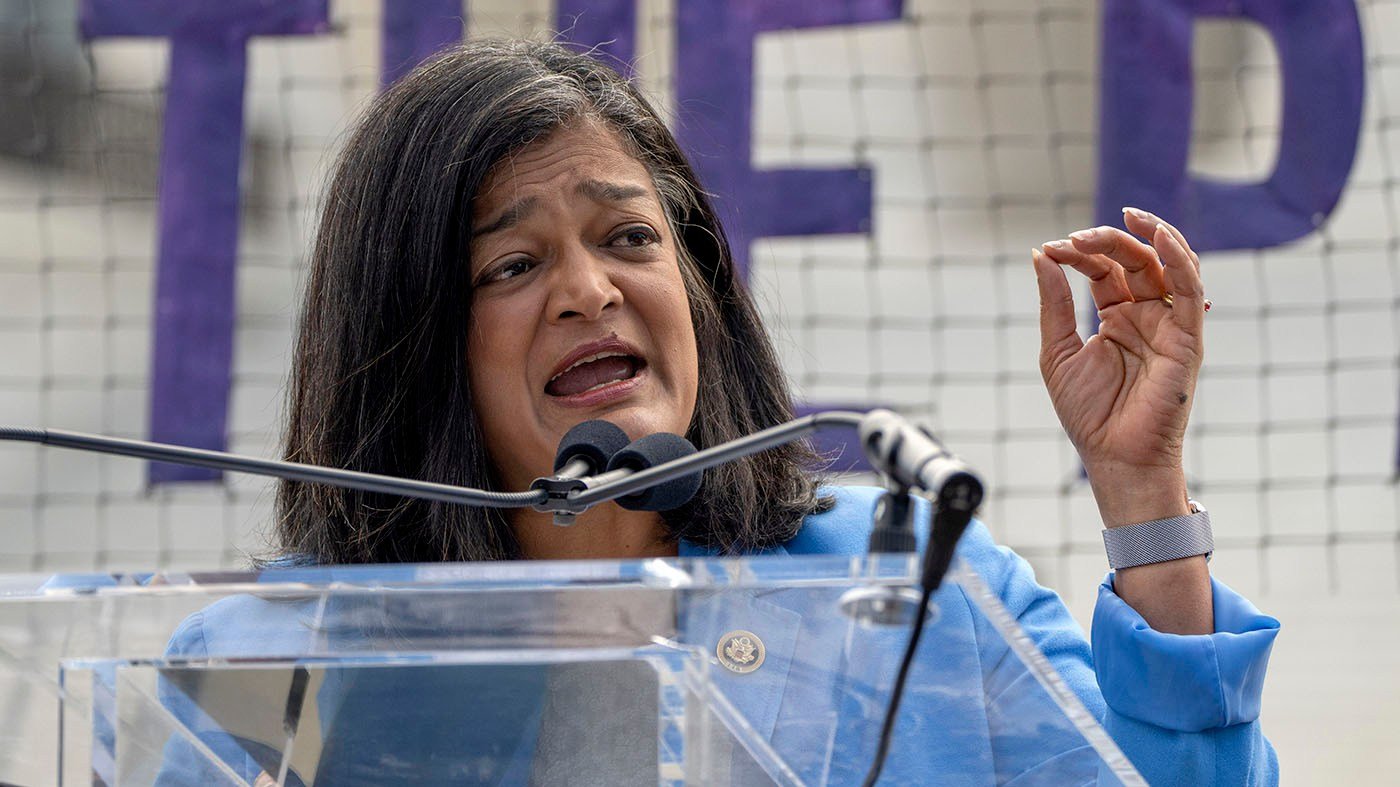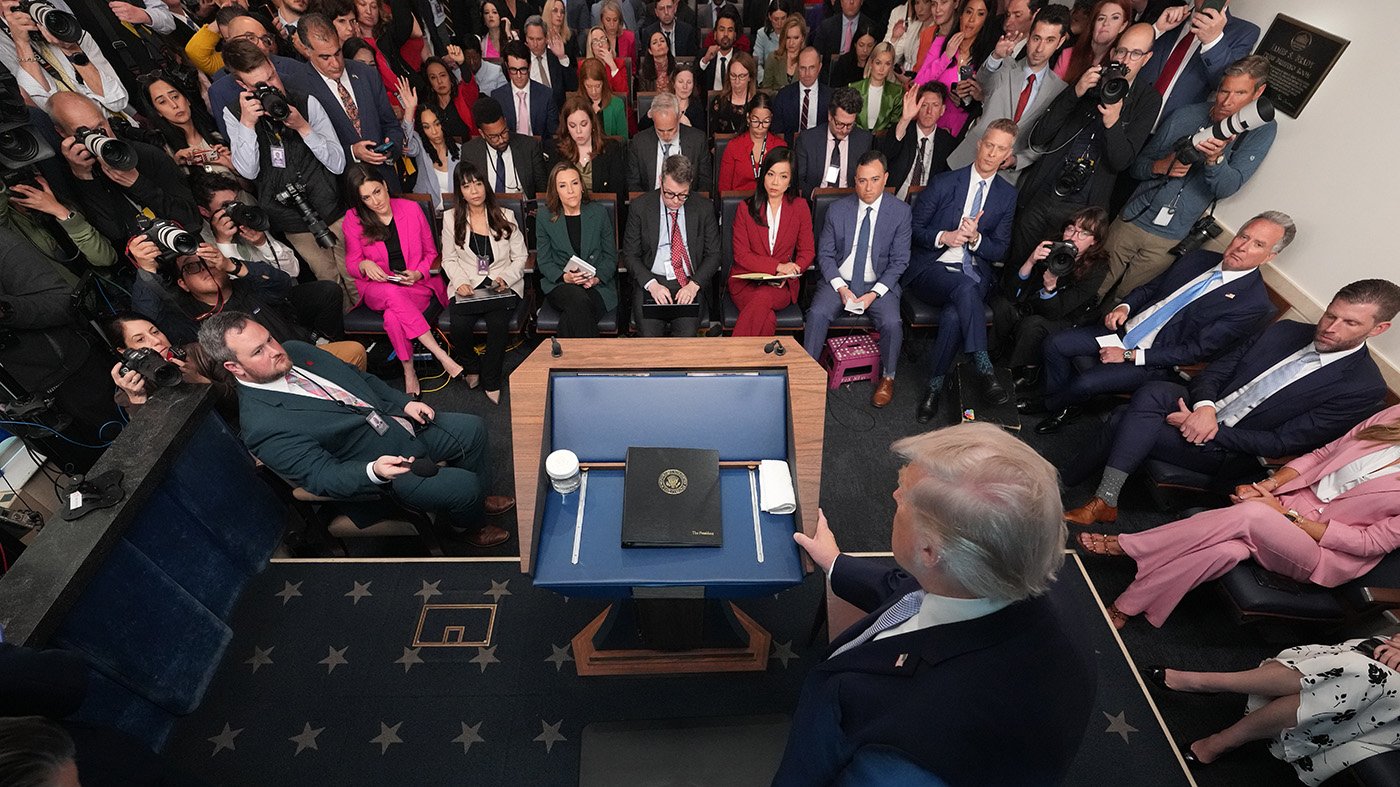
Republican lawmakers have offered measured approval of President Trump's announcement of a two-week ceasefire with Iran, characterizing the sudden diplomatic pause as a potential victory while emphasizing its provisional nature. The deal, which Trump unveiled Tuesday after issuing a stark ultimatum to Tehran, has temporarily halted hostilities but left significant questions about its durability and the administration's next steps.
A Cautious Endorsement
While the announcement alleviated immediate concerns among some Republicans who had criticized the president's earlier bellicose rhetoric, the reaction on Capitol Hill has been dominated by caution. Legislators are framing the ceasefire not as a resolution, but as a precarious first step that must be followed by robust negotiations to advance U.S. security objectives and deter future Iranian aggression.
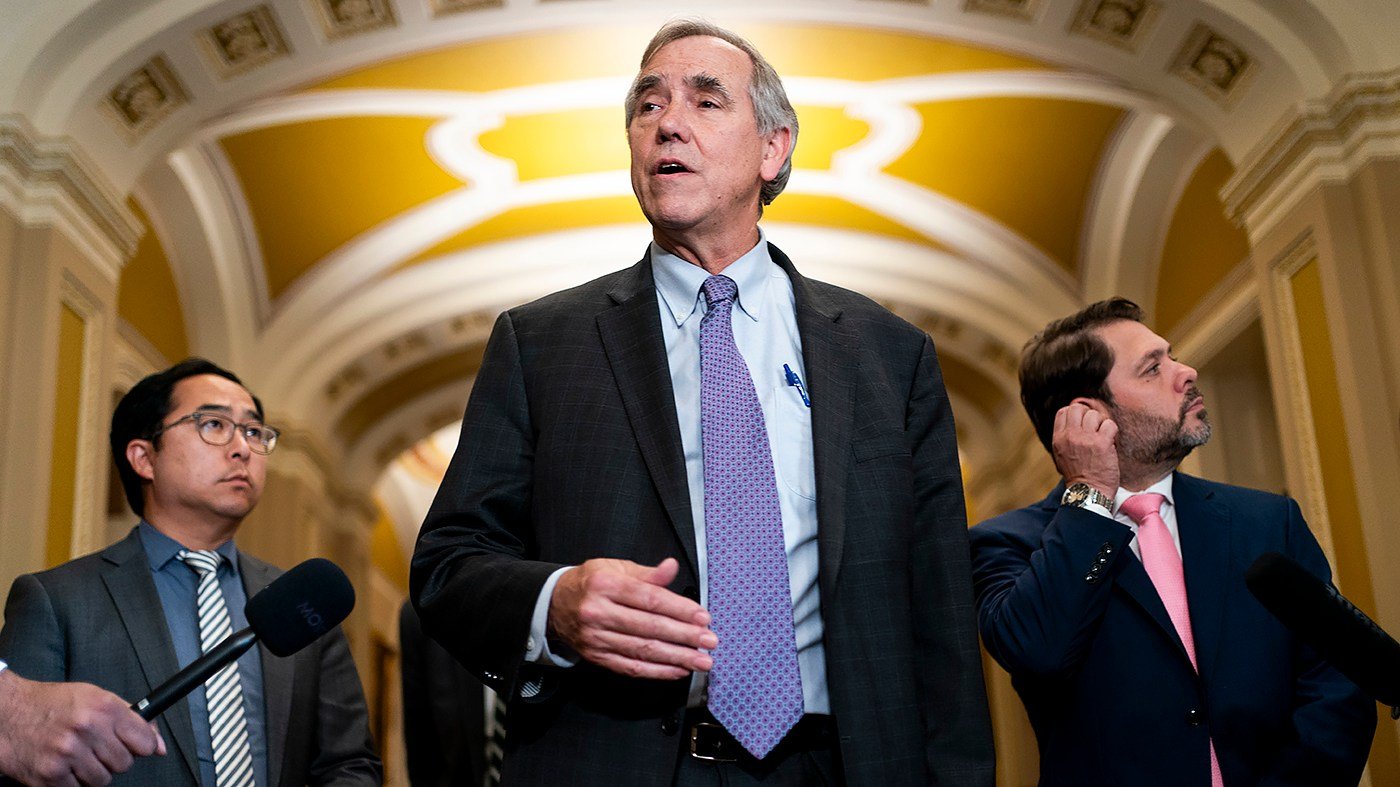
"A two-week ceasefire is not an end. It is a pause to try to get to a solution," said Rep. Randy Fine (R-Fla.), a staunch Israel supporter who expressed confidence in Trump's ability to broker a longer-term agreement. Fine outlined core U.S. demands, stating the objective is to compel Iran to abandon its nuclear weapons ambitions and cease developing delivery systems. "Our job is to be America First, which means protecting American interests and making sure Iran can’t nuke us," he added.
Immediate Challenges to the Truce
The ceasefire's fragility became apparent within hours. Israel launched its most significant military campaign in Lebanon since clashes with Iran-backed Hezbollah began, raising immediate disputes over whether the Lebanon front was included in the U.S.-Iran agreement. Concurrently, Gulf allies including Bahrain, Kuwait, Saudi Arabia, and the United Arab Emirates reported new Iranian drone and missile attacks on Wednesday.
Further complicating the situation, Iranian state media claimed Tehran had closed the Strait of Hormuz—a critical chokepoint for global oil shipments—in retaliation for the Israeli strikes. The White House swiftly dismissed these reports, with press secretary Karoline Leavitt accusing Iran of deception.
GOP Skepticism and Strategic Concerns
Prominent Republicans voiced deep skepticism about the agreement's substance and Iran's intentions. Rep. Don Bacon (R-Neb.) expressed concern that the current Iranian leadership remains intact and hostile. "They will work with Russia and China as soon as they can to start rebuilding their military. And they will be a threat five, six, seven, eight years down the road," Bacon told CNN, adding that the U.S. should negotiate from strength and retain military options. "If they keep firing, we still have more targets that we can hit in Iran," he stated.
Sen. Lindsey Graham (R-S.C.), a leading Iran hawk, called for rigorous congressional scrutiny of any final deal, similar to the review process used for the Obama-era nuclear agreement. Graham raised specific concerns about the negotiating document Iran submitted, describing it as having "some troubling aspects" while maintaining that a diplomatic solution remains preferable.
Democratic Opposition and War Powers Challenge
The ceasefire has done little to quell fierce Democratic opposition to Trump's handling of the crisis. Senate Minority Leader Chuck Schumer (D-N.Y.) announced the Senate will vote next week on a war powers resolution to curtail presidential authority, declaring, "Our country is worse off because of Trump’s strategic ineptitude. Enough is enough." House Democrats are also moving to pass a similar measure, seeking unanimous consent during a Thursday pro forma session.
Both parties have demanded detailed congressional briefings on the operation and the terms of the temporary truce. The Democratic push underscores the deep political divisions surrounding the administration's foreign policy, even amid a pause in fighting.
An Uncertain Road Forward
The path to a sustainable agreement appears fraught. Iranian parliamentary speaker Mohammad Bagher Qalibaf publicly accused the U.S. of violating three key clauses in its initial proposal, which Trump had described as a "workable basis" for talks. This public disagreement, combined with ongoing military actions by Iranian proxies and allies, casts doubt on the ceasefire's stability.
Despite the uncertainties, some Republicans expressed optimism about Trump's negotiating prowess. "His strength is in negotiations, and if you underestimate him, that’s at your own peril," said Rep. Jimmy Patronis (R-Fla.). The coming days will test whether this temporary pause can be converted into a durable diplomatic arrangement, or if it merely postpones a return to broader conflict. The administration's next moves, under intense scrutiny from both allies and adversaries, will determine if the ceasefire marks a turning point or merely an interlude.