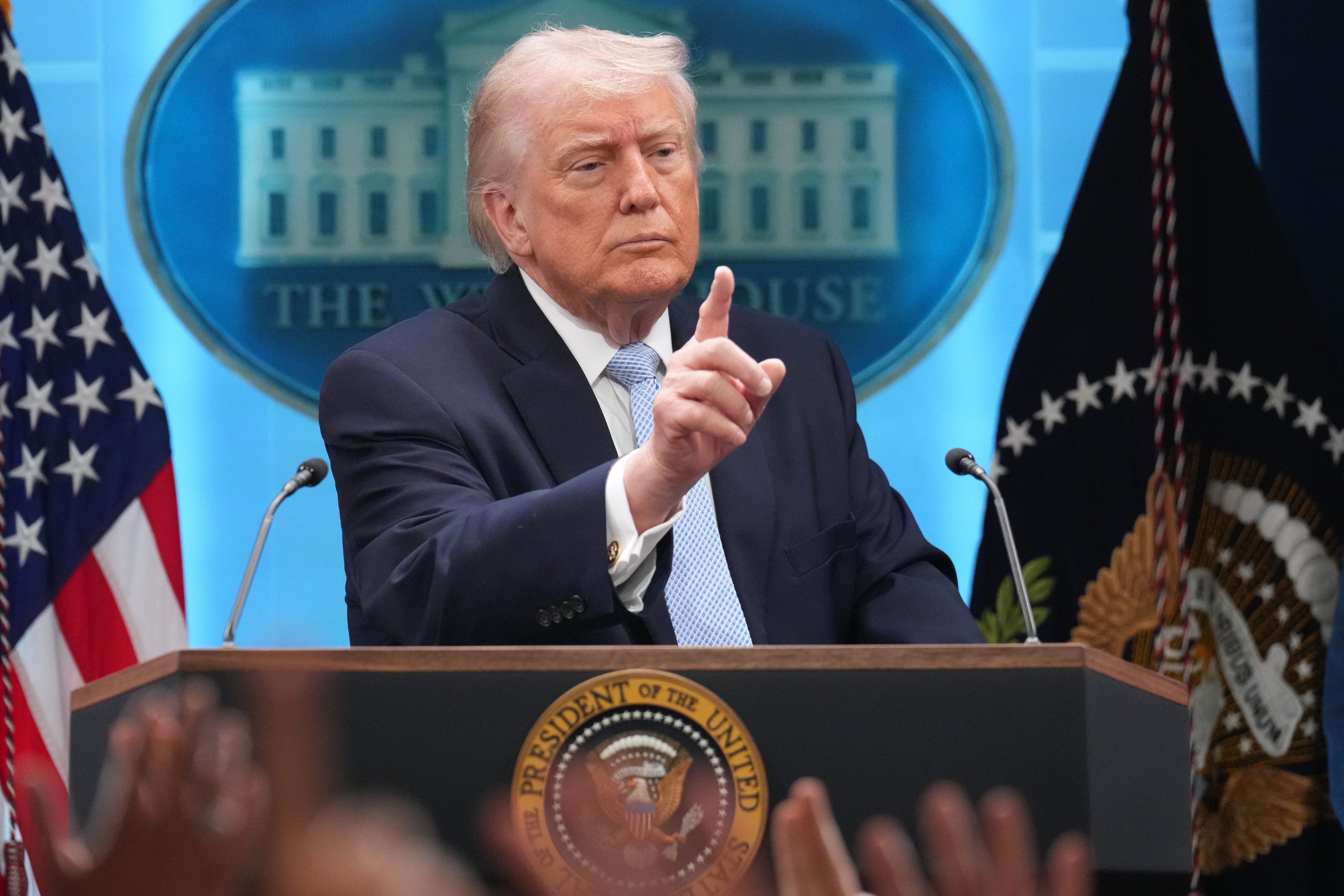
President Donald Trump has agreed to a ceasefire with Iran, ending a 38-day military campaign that began with the stated goal of toppling the regime but concluded with negotiations that leave the Islamic Republic's power structure largely intact. The agreement, brokered through Pakistani intermediaries, marks a significant reversal from the administration's earlier demands for unconditional surrender and hands Tehran continued control over the strategic Strait of Hormuz.
From Regime Change to Negotiated Settlement
The military operation, dubbed Operation Epic Fury, was launched on February 28 with a strike targeting Supreme Leader Ali Khamenei. Administration officials believed this decapitation strike would trigger the regime's collapse. Instead, Iran demonstrated unexpected resilience, leading to a protracted conflict. By early April, facing a stalemate, the White House sought an exit strategy.
Trump announced the ceasefire on Truth Social, claiming the U.S. had "exceeded all his military objectives." However, the agreement appears to fall short of the administration's original aims of removing the regime, securing the Strait of Hormuz on U.S. terms, and establishing regional peace. Analysts note the U.S. could have militarily reopened the strait independently but instead accepted a deal where Iran maintains authority and may impose transit fees.
Bipartisan Backlash Over Tactics and Outcome
The president's approach drew immediate fire. His social media threats to destroy Iranian power plants, bridges, and even "wipe out a whole civilization" prompted accusations of potential war crimes and alarmed allies. Senate Minority Leader Chuck Schumer (D-N.Y.) condemned the rhetoric, stating, "The president of the United States is ranting like an unhinged madman on social media... He's threatening possible war crimes and alienating allies." Senator Elissa Slotkin (D-Mich.), a former defense official, warned that such attacks "would be a clear violation of the law of armed conflict."
Criticism was not confined to Democrats. Some Republican lawmakers expressed deep reservations about the ceasefire's terms, warning that a wounded but functional regime represents a continued threat. Senator Lindsey Graham raised specific concerns over the proposal's fragility. Furthermore, Senate Democrats moved to force a vote to curtail the president's war authority, highlighting ongoing legislative tensions.
Strategic Consequences and Unresolved Threats
The ceasefire leaves several critical security issues unaddressed. Iran retains its stockpile of highly enriched uranium, with 440 kg of 60% enriched material reportedly unaccounted for. Its ballistic missile program, capable of reaching European capitals, remains operational. The Islamic Revolutionary Guard Corps (IRGC), while reportedly shifting to a more public leadership role, continues to control key levers of power and support proxy networks across the region.
Internally, human rights groups fear a brutal crackdown. The regime's Basij paramilitary forces are expected to resume targeting dissidents and public executions. As Senator Chris Van Hollen argued, ceding control of the strait grants Iran a major strategic and economic victory, allowing it to influence global oil flows and prices.
Broader Diplomatic Fallout
The conflict further strained transatlantic relations. Operation Epic Fury exposed divisions within NATO, as member nations refused to support the U.S. campaign. President Trump responded by renewing his threats to withdraw from the alliance. The episode has solidified a pattern of unilateral action that continues to define his foreign policy.
As implementation talks begin, skepticism abounds. Iran's navy has already warned foreign ships they will be "destroyed" if they attempt to transit the Strait of Hormuz without Tehran's permission, contradicting the agreement's promise of safe passage. This move suggests Iran may adopt a strategy of protracted negotiations and broken promises, similar to tactics employed by Russia in other conflicts. The final outcome leaves a hostile regime, critical threats unresolved, and U.S. credibility questioned by allies and adversaries alike.