A federal judge has blocked the Trump administration from ending temporary deportation protections for thousands of Ethiopian nationals, delivering a significant legal setback to the administration's immigration agenda. In a ruling issued Wednesday, U.S. District Judge Brian Murphy found the Department of Homeland Security likely disregarded statutory procedures established by Congress when attempting to terminate Ethiopia's Temporary Protected Status designation.
The preliminary injunction maintains protections for approximately 5,000 Ethiopians enrolled in the TPS program while litigation proceeds. Judge Murphy, appointed by President Biden, emphasized constitutional principles in his decision, writing that "the will of the President does not supersede that of Congress. Presidential whims do not and cannot supplant agencies' statutory obligations."

Program Background and Ethiopian Context
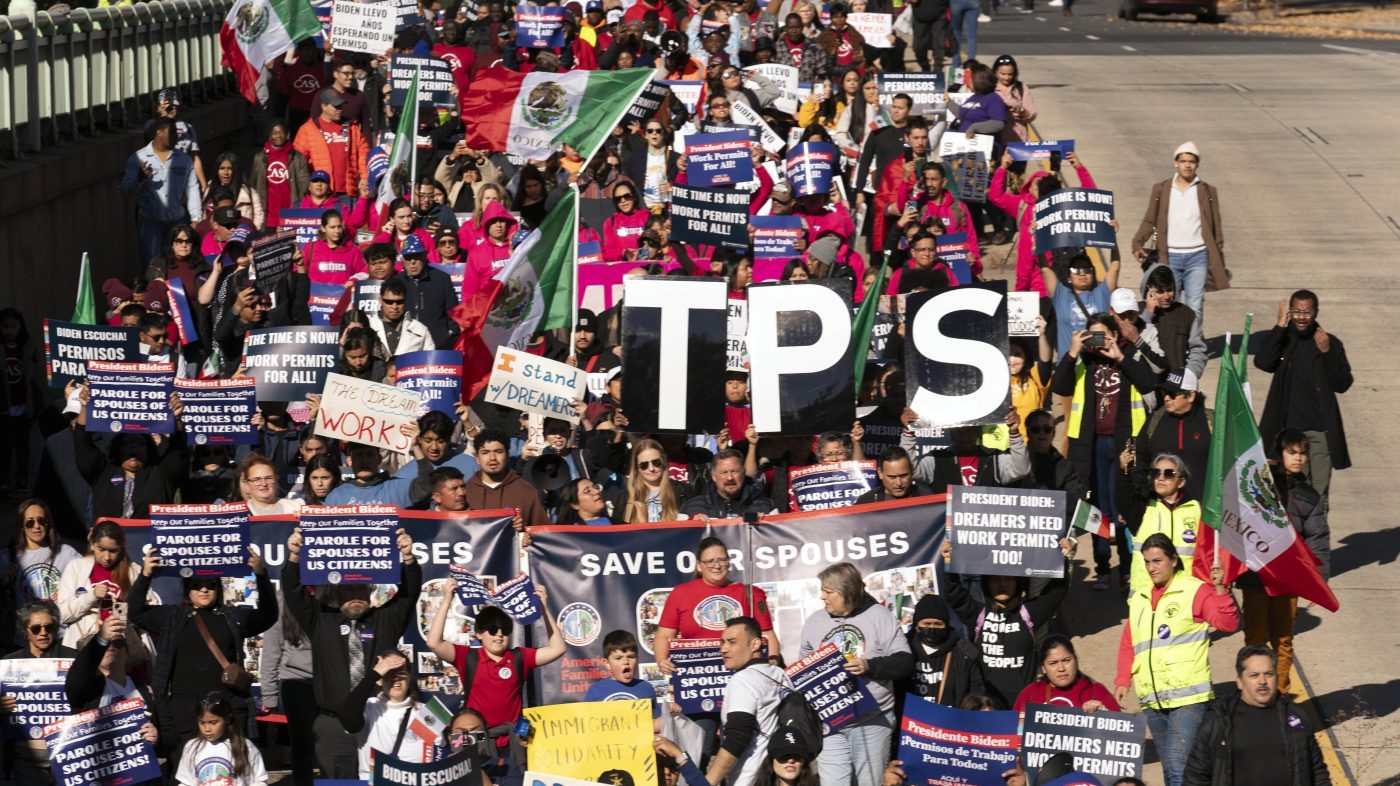
Established in 1990, Temporary Protected Status provides foreign nationals with protection from deportation and work authorization when they cannot safely return to their home countries due to armed conflict, natural disasters, or other extraordinary conditions. Ethiopia was among 17 countries in the program when President Trump began his second term, having first received designation in 2022 as fighting erupted in the Tigray region.
The Trump administration's Department of Homeland Security announced in February it would terminate Ethiopia's TPS designation, arguing that country conditions had improved sufficiently to no longer warrant protection. This move formed part of a broader administration effort to wind down TPS designations for multiple nations, a central component of President Trump's immigration enforcement priorities.
Legal Battle and Constitutional Questions
In his 35-page ruling, Judge Murphy rejected the administration's argument that its TPS termination decisions are unreviewable by federal courts. He asserted judicial authority to hear the case and found DHS failed to consult properly with other government agencies as required by law. The judge characterized the decision to end Ethiopian protections as "pretextual," noting sarcastically that "perhaps it has been a banner year for disaster recovery and geopolitical stability worldwide. The evidence, and common sense, suggests otherwise."
The Department of Homeland Security condemned the ruling in strong terms. "This stay by radical, Biden-appointed Judge Brian Murphy is just the latest example of judicial activists trying to prevent President Trump from restoring integrity to America's legal immigration system," a DHS spokesperson stated. The administration maintains that "temporary means temporary" and insists Ethiopia no longer meets statutory requirements for protection despite ongoing regional conflicts and humanitarian challenges.
Broader Implications and Supreme Court Outlook
This case arrives as TPS litigation barrels toward the Supreme Court. Justices will hear oral arguments later this month regarding challenges to the administration's attempts to end protections for Haiti and Syria, setting the stage for a potentially landmark decision on executive authority over immigration policy. The outcomes could significantly impact not only TPS recipients but also the balance of power between the executive and judicial branches.
The Trump administration's systematic approach to terminating TPS designations reflects its broader immigration philosophy, which has frequently clashed with judicial oversight. This ruling represents another instance where courts have intervened in administration immigration policies, similar to legal battles over executive war powers and congressional authority.
For the approximately 5,000 Ethiopians affected, the injunction provides temporary relief but not permanent security. Their legal status remains contingent on the ultimate outcome of litigation that may extend beyond the current administration. The case also highlights how immigration policy intersects with foreign affairs, particularly regarding nations experiencing complex geopolitical and humanitarian challenges that defy simple categorization.
As the legal battle continues, this ruling reinforces ongoing tensions between the Trump administration's immigration enforcement agenda and judicial interpretations of statutory constraints. The decision underscores how courts continue to serve as a check on executive action in immigration policy, even as the administration pursues what it describes as necessary reforms to "put Americans first" in the legal immigration system.