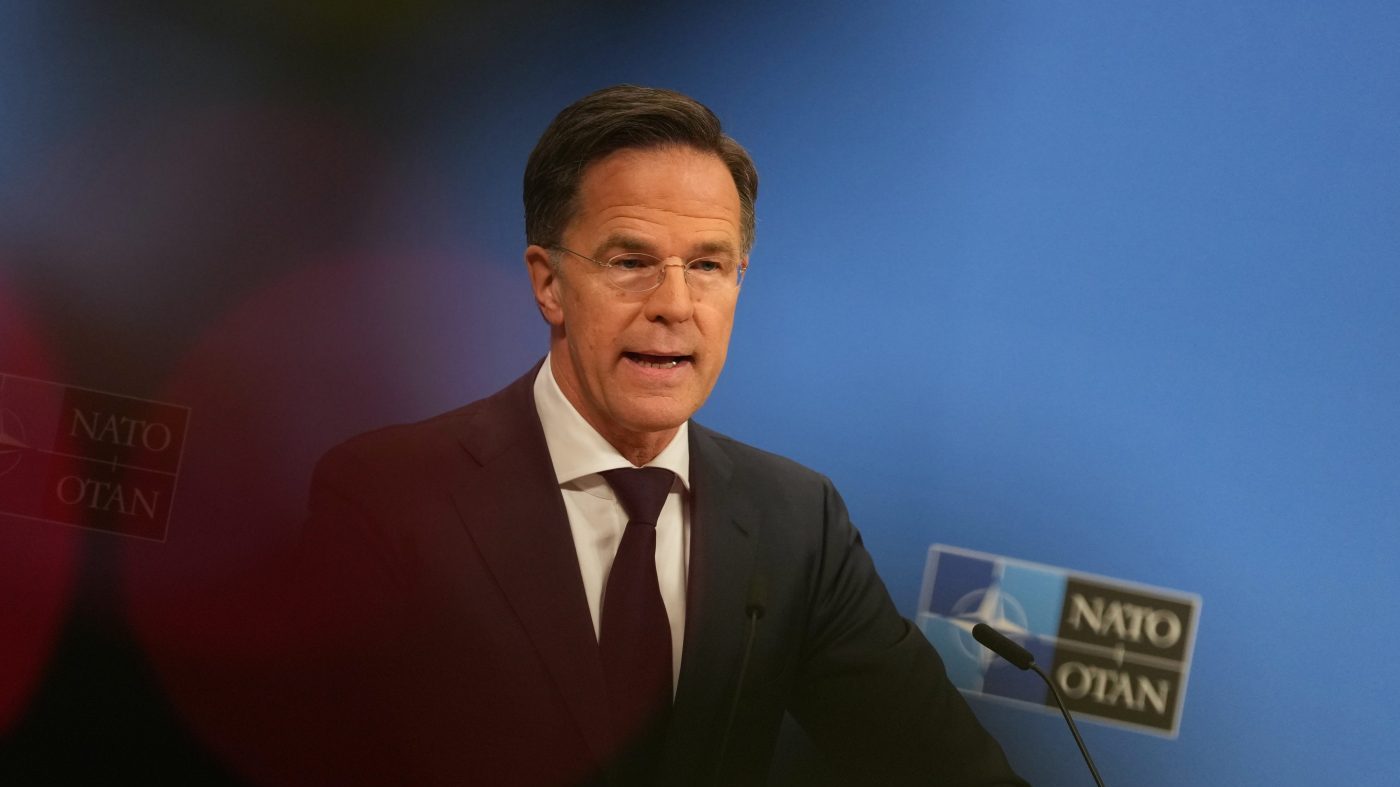
NATO Secretary General Mark Rutte is scheduled to deliver a significant address on Thursday morning, outlining pressing threats facing the trans-Atlantic military alliance. This speech comes directly on the heels of his Wednesday meeting with President Donald Trump at the White House, a session that has once again exposed deep fissures in the U.S.-NATO relationship.
The meeting occurred against the backdrop of a precarious ceasefire in the ongoing Middle East conflict, adding a layer of geopolitical urgency to the discussions. President Trump, alongside Secretary of State Marco Rubio, has repeatedly suggested the possibility of withdrawing the United States from the NATO pact, a cornerstone of post-war Western security.
Trump's Post-Meeting Critique
Following the Oval Office talks, President Trump launched a fresh verbal assault on the alliance, characterizing it as unreliable and accusing member states of failing to support the U.S. "when we need them." This criticism echoes his long-standing grievances about burden-sharing within the organization, where he contends European allies do not contribute sufficient financial resources to their own defense.
Rutte, who has generally supported the U.S.-led military operation targeting Iranian assets, now faces the dual challenge of managing internal alliance dissent and a publicly skeptical American president. Many NATO members have resisted Trump's calls to contribute forces to the military effort in the region or to assist in policing critical maritime chokepoints like the Strait of Hormuz.
Context of a Fragile Middle East Truce
The Secretary General's remarks will be scrutinized for any shift in NATO's posture toward Iran. The ceasefire, which halted a 38-day campaign, remains fragile. President Trump has vowed to maintain military pressure on Tehran and has threatened escalated strikes if the terms are violated. The administration's decision to accept the truce has drawn bipartisan criticism, even as some Republicans cautiously welcomed it.
This geopolitical tension forms the immediate backdrop for Rutte's address, which is hosted by the Reagan Institute's Center for Peace Through Strength. The event is slated to begin at 11 a.m. Eastern Time.
Broader Political Landscape
Trump's latest renewed assault on NATO follows a pattern of challenging international institutions and agreements. It also occurs amid other domestic political and legal battles for the president, including his appeal to New York's highest court to overturn civil fraud penalties. Furthermore, his stance has occasionally created rifts within his own political base, as seen when ally Marjorie Taylor Greene recently broke with him publicly.
Rutte's task is to reaffirm NATO's unity and purpose without directly escalating the rhetorical conflict with the American president. His remarks are expected to address both the specific operational challenges, such as the situation in the Middle East, and the broader strategic question of the alliance's cohesion in an era of renewed great-power competition.
The live address will be closely monitored by diplomats, defense officials, and political observers worldwide for signals about NATO's direction during a period of significant strain. The outcome of this diplomatic engagement could have lasting implications for the security architecture of the West.