A critical benchmark for wholesale used car prices surged to its highest level in nearly three years during March, according to new industry data. The sharp increase reflects a market where severely limited inventory is meeting unexpectedly strong consumer demand, largely driven by this year's tax refund season.
Supply and Demand Pressures Intensify
The Manheim Used Vehicle Value Index, which tracks prices dealers pay at auction, climbed 6.2% year-over-year in March. Analysts at Cox Automotive, which publishes the index, report this marks the peak level since the summer of 2023. Dealers had anticipated robust demand from larger tax refunds, which materialized and helped "activate pent-up demand," lifting retail used car sales in the first quarter.

"The end of March typically proves to be the 'peak' for price action at Manheim, but the way this tax-refund season is unfolding, it could continue for a bit longer," said Jeremy Robb, chief economist at Cox Automotive. He noted that while geopolitical tensions in the Middle East could dampen consumer confidence, current data shows continued economic resilience.
Inventory Hits Record Lows
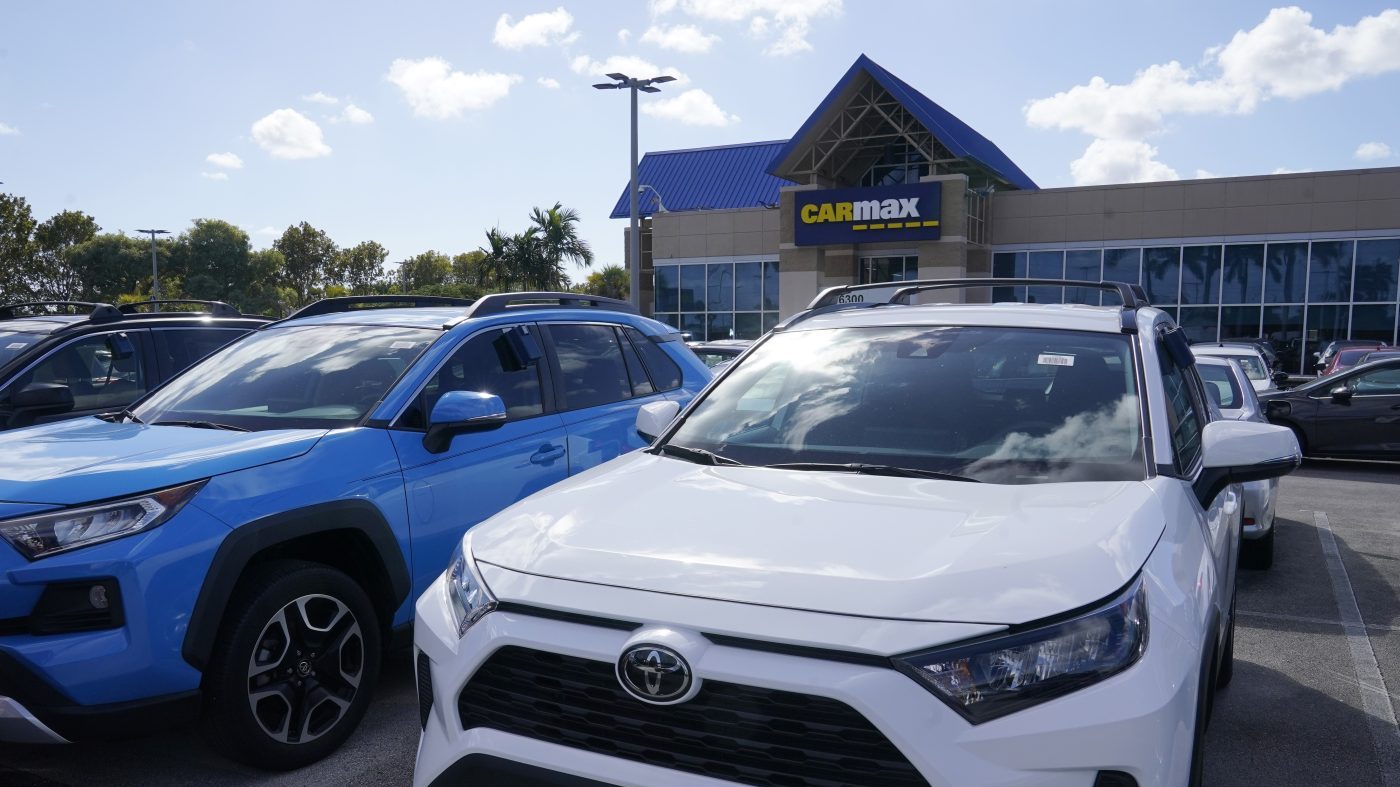
The supply crunch is a primary driver. Retail used vehicle inventory fell below two million units at the end of March, representing the tightest supply on record in Cox's data. This scarcity is keeping prices firm for consumers, with popular three-year-old models now priced about 2% higher than a year ago, exceeding typical seasonal patterns.
The shortage has deep roots. Disruptions during the COVID-19 pandemic led automakers to produce roughly 8 million fewer vehicles than normal in 2021 and 2022, creating a lasting deficit in the pipeline of used cars. Furthermore, a 5% year-to-date decline in new car sales is constraining the flow of trade-ins into the used market, exacerbating the supply problem.
Affordability Crisis Deepens
High prices in the new car market are pushing more buyers toward used vehicles, fueling demand. While new car sales are down, used sales have increased by 1% year-to-date. This shift is straining household budgets. The average amount financed for a used vehicle reached $29,314 in the first quarter, up approximately $1,000 from a year ago and significantly above the pre-pandemic average of $22,200.
To manage monthly payments, buyers are putting less money down and opting for longer loan terms. The average monthly payment for a used vehicle now stands at $559. The search for affordability is particularly difficult at the lower end of the market; vehicles priced under $15,000 had just 31 days of supply in February, nine days below the industry average.
Broader Economic Context
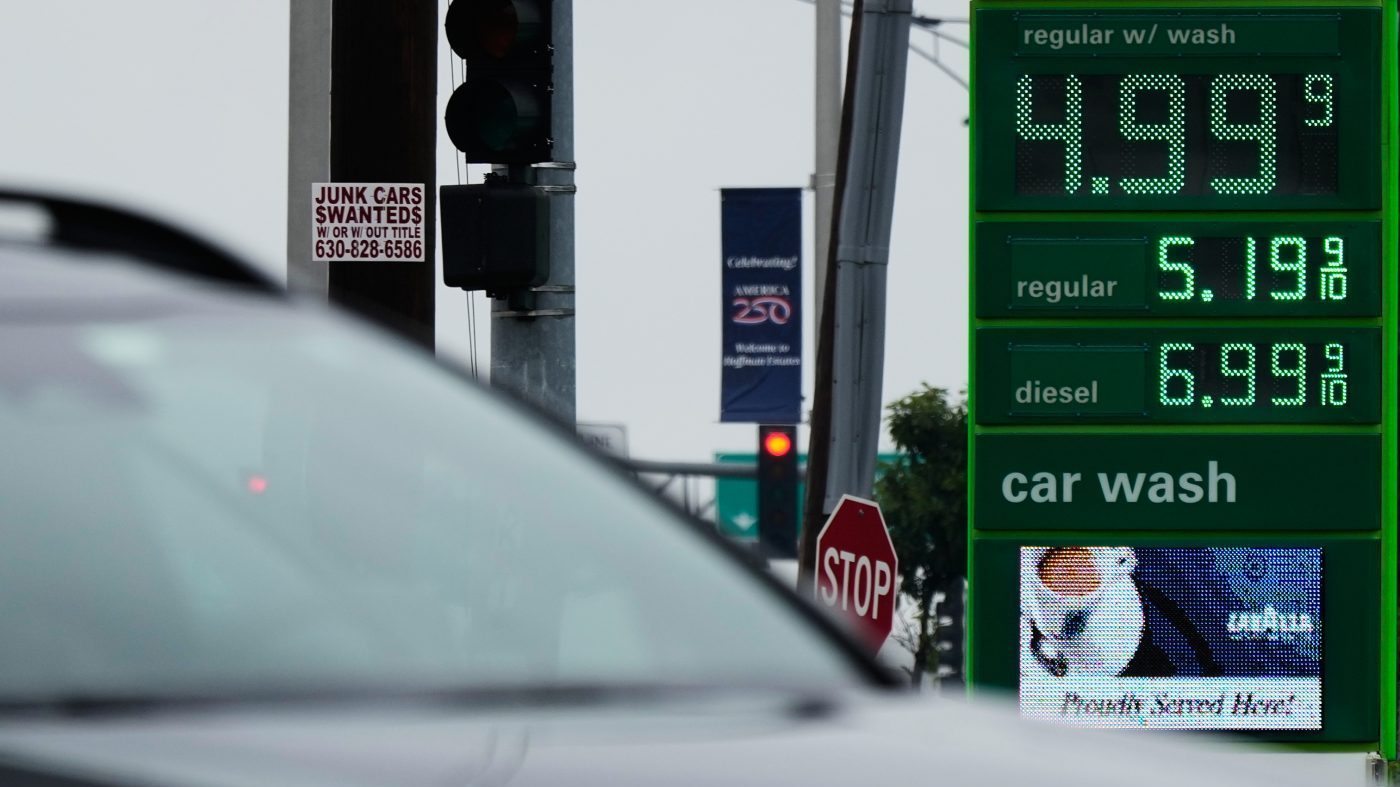
The strain on transportation budgets comes amid other rising costs for consumers. For instance, some states are seeing record diesel prices, adding pressure on logistics and goods prices. Meanwhile, geopolitical instability, such as the ongoing tensions involving Iran and critical oil shipping lanes, presents a potential risk to broader consumer sentiment and energy costs, though its direct impact on auto demand remains muted for now.
The average listing price for a used vehicle was $25,287 in February, slightly higher than the $25,006 seen a year earlier but still below the peak of $27,603 in 2022. The current market dynamics suggest sustained pressure on prices in the near term, with limited relief for cost-conscious buyers seeking reliable transportation.