Contradictory statements from American and Iranian officials are casting serious doubt on the implementation of a fragile two-week ceasefire, with the status of the strategically vital Strait of Hormuz at the center of the dispute. The waterway, which typically carries about one-fifth of the world's daily oil supply, has seen severely restricted traffic for nearly six weeks following U.S. and Israeli military actions against Iran.
Divergent Visions for a Critical Waterway
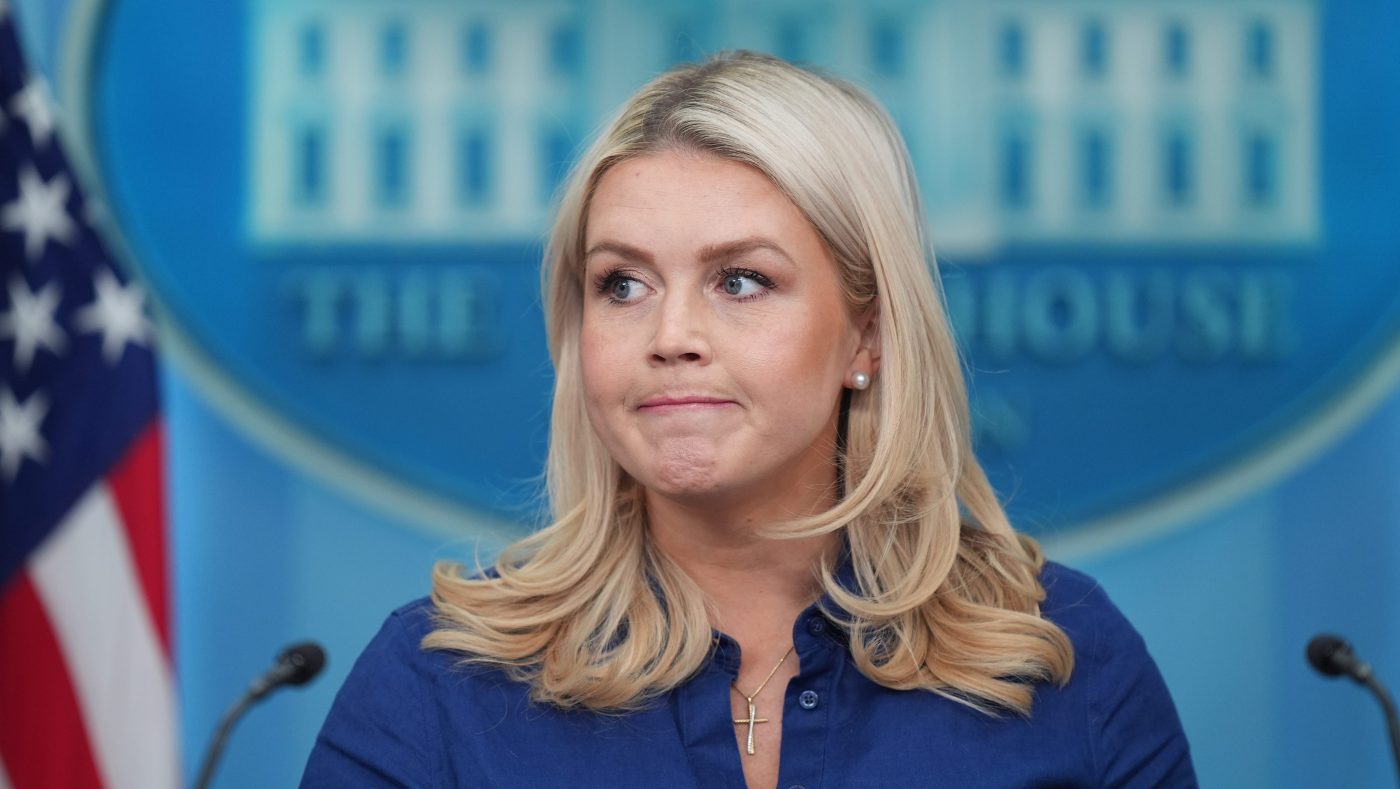
The White House has framed unrestricted access to the strait as a fundamental condition of the temporary truce. President Trump stated the ceasefire was contingent on Iran agreeing to a "COMPLETE, IMMEDIATE, and SAFE OPENING" of the passage. White House Press Secretary Karoline Leavitt reinforced this position, emphasizing the strait must reopen "without limitation, including tolls," and that the U.S. would "hold" Iran to these terms.
Iranian officials, however, have presented a markedly different interpretation. Tehran has signaled it intends to maintain control over the passage and continue charging fees for transit. A senior Iranian official told Reuters the reopening could be "limited, under Iran's control," while an Iranian exporters' union spokesperson detailed a proposed toll of $1 per barrel of oil, payable in cryptocurrency. Reports also indicate Iran told mediators it would restrict passage to roughly a dozen ships daily during the ceasefire.
Conflicting Reports and Escalating Tensions
The situation grew more confused on Wednesday when Iranian state media claimed the strait was closed entirely in retaliation for Israeli strikes on Hezbollah targets in Lebanon. The White House immediately labeled this report "false," with Leavitt asserting there had been "an uptick of traffic in the strait." She declined, however, to specify which nation was in control of the waterway, highlighting the core ambiguity. This incident underscores how the ceasefire continues to teeter on conflicting claims from both capitals.
Analysts warn the mixed signals threaten to unravel the already precarious agreement. "Both sides are still at odds over the contours of what a negotiated settlement is going to be," said Andrew Lipow, president of Lipow Oil Associates. The fundamental disagreement over sovereignty and revenue from the strait points to a deeper conflict, with some experts, like General Keane, warning Iran holds a lasting strategic advantage due to its geographic position.
Market Reactions and Political Stakes
Global oil markets reacted sharply to the announcement of the ceasefire, with prices falling significantly on the expectation of resumed shipments. U.S. benchmark West Texas Intermediate crude dropped approximately 15 percent, while the international Brent benchmark fell about 12 percent. "The oil market is down today on the expectation that the ceasefire will be the start of a process that allows more oil to reach the market," Lipow noted, though he expressed concern the truce might represent "just a pause, rather than something that leads to a resolution of the conflict."
The stakes are high for the Trump administration, both geopolitically and domestically. The conflict has driven U.S. gasoline prices up by more than a dollar per gallon since hostilities began, creating economic pressure on consumers and a significant political liability. The administration's approach has drawn criticism, with figures like Senator Chris Van Hollen arguing that conceding toll rights would hand Iran a major strategic victory.
As diplomatic wrangling continues, the immediate future of the Strait of Hormuz remains opaque. The conflicting narratives from Washington and Tehran not only jeopardize the ceasefire but also risk a rapid re-escalation of military conflict. The situation exemplifies the challenges of negotiating with Iran, which views the strait as a sovereign asset and a powerful lever, a point underscored by Russian official Dmitry Medvedev calling it Iran's 'inexhaustible' strategic weapon. The coming days will test whether both sides can bridge their substantial gaps or if the temporary halt in major attacks proves fleeting.