The rising popularity of GLP-1 weight-loss medications is reshaping the landscape of obesity treatment in the United States, with a new study showing a dramatic decline in bariatric surgeries as drug prescriptions skyrocket.
Research published in JAMA Surgery analyzed data from 11.7 million patients diagnosed with obesity or diabetes between 2022 and 2024. During that period, use of GLP-1 drugs—originally developed for Type 2 diabetes but now widely prescribed for weight loss—increased by 140.4 percent. Meanwhile, the number of metabolic and bariatric surgeries fell by 34 percent, researchers found.

The findings align with a separate report from Loyola University Chicago, which documented that the total number of bariatric procedures in the U.S. dropped below 200,000 in 2024 for the first time since 2020. That represented a more than 20 percent year-over-year decline, from 217,387 procedures in 2023 to 177,297 in 2024.
Dr. Richard M. Peterson, president of the American Society for Metabolic and Bariatric Surgery, said the shift is prompting important conversations in doctors' offices. “GLP-1s are starting a conversation in doctors’ offices that really wasn’t happening as much as it should have been,” Peterson said. “The high demand for these drugs and greater attention on the dangers of obesity has created an unprecedented opportunity to educate and engage patients on all proven treatments—not just medications—which is essential to effectively treating this chronic disease.”
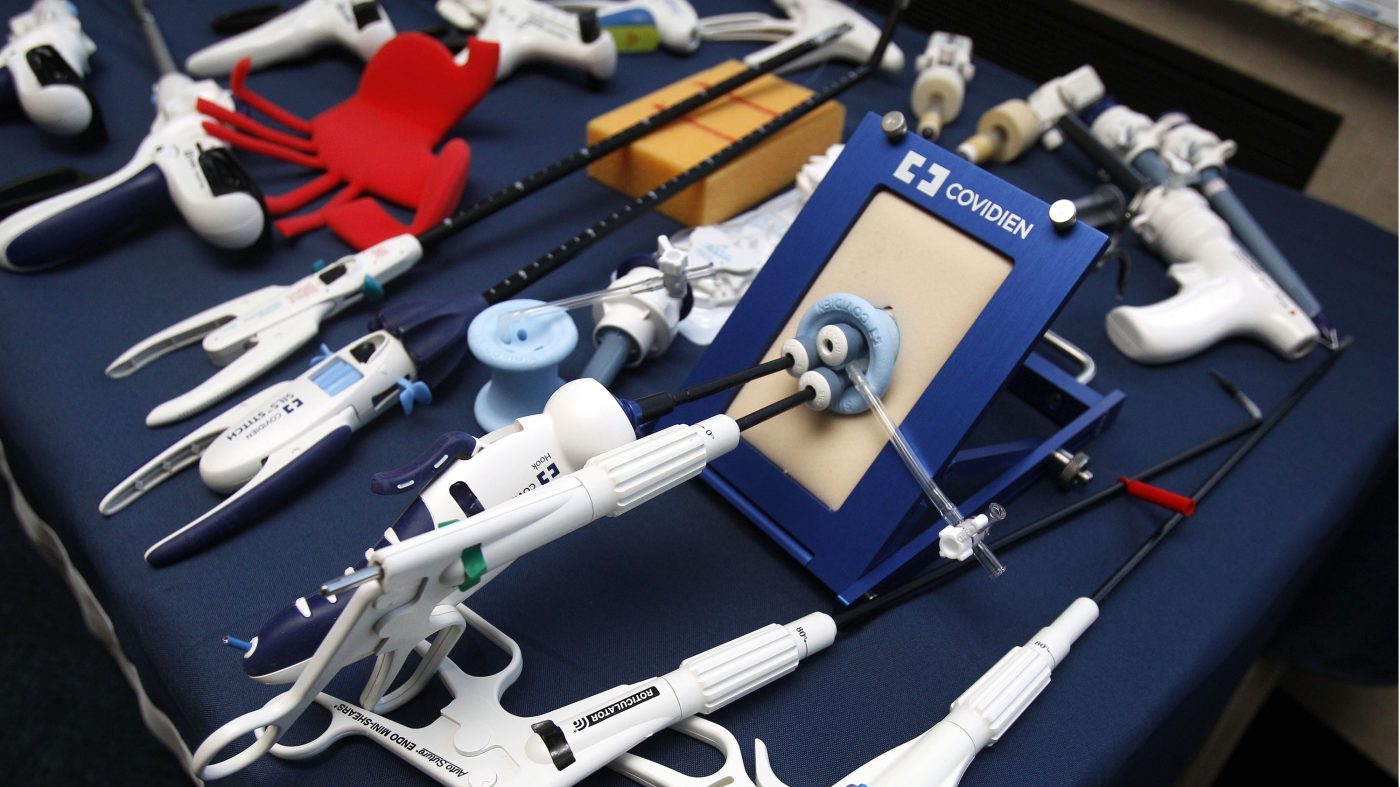
Bariatric surgery, once commonly called “stomach stapling” and performed through large incisions, has evolved significantly. Today, most procedures are minimally invasive with shorter recovery times. The two most common are gastric sleeve surgery and gastric bypass, both of which reduce stomach size to limit food intake.
GLP-1 medications, which slow digestion and curb appetite, have been used for over a decade to treat obesity, though they can cause side effects. Their rapid adoption has been fueled by high demand and aggressive marketing, but experts caution that they are not a cure-all.
The shift away from surgery comes as broader research into GLP-1s continues to expand. For instance, early studies suggest these drugs may also offer relief for conditions like endometriosis, as early research indicates. Meanwhile, pharmaceutical companies are pushing the envelope: Eli Lilly's retatrutide recently achieved unprecedented weight loss in late-stage trials, as reported earlier.
Despite the surgical decline, Peterson emphasized that bariatric procedures remain a critical option for many patients, particularly those who do not respond well to medication or have severe obesity. The American Society for Metabolic and Bariatric Surgery continues to advocate for comprehensive treatment plans that include both medical and surgical approaches.
As the healthcare industry grapples with the implications of this trend, policymakers are also taking note. The shift could affect insurance coverage, hospital budgets, and long-term outcomes for the millions of Americans struggling with obesity—a chronic disease that remains one of the nation's most pressing public health challenges.