On this Memorial Day, Harlan Ullman, a former naval officer and co-author of the shock-and-awe doctrine, is making a pointed argument: the terms “asymmetric” and “hybrid” have become so overused that they obscure more than they reveal about modern warfare. In a new essay, he contends that every competent military campaign has always sought asymmetric advantages and blended old and new tactics.
Ullman points to historical examples to drive home his point. During the 1940 Battle of France, the Germans bypassed the Maginot Line through the Low Countries—a classic asymmetric move—despite being outgunned in quality and quantity. Japan’s attack on Pearl Harbor aimed for a knockout blow against a reluctant America; had the U.S. aircraft carriers been in port, the outcome might have been drastically different. More recently, the North Vietnamese and the Afghan Taliban, both vastly outmatched militarily, prevailed simply by refusing to lose.
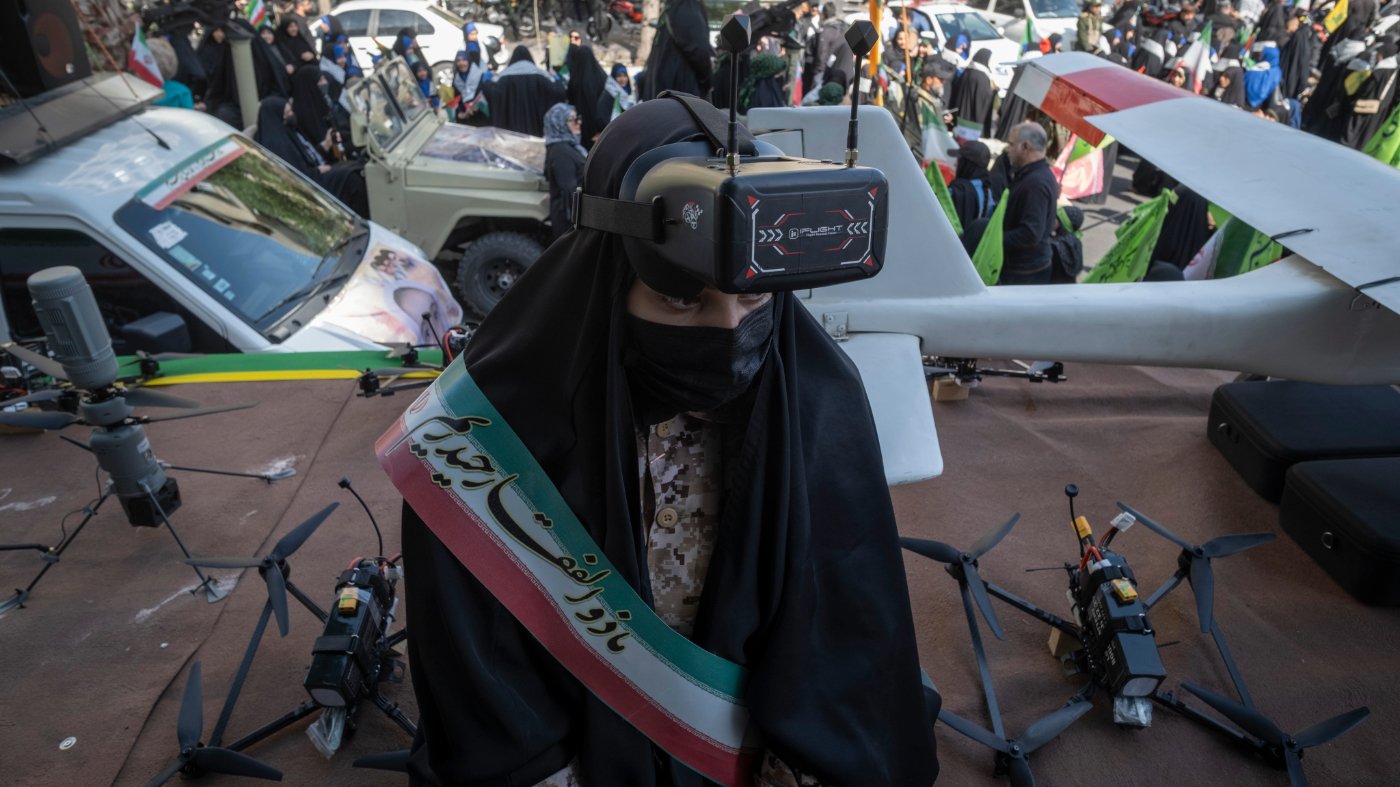
The real question, Ullman argues, is whether uncrewed vehicles—drones, sea drones, and underwater systems—have genuine strategic value, not just tactical or operational utility. In Ukraine, drones have allowed a nation without a navy to cripple Russia’s Black Sea fleet. In the Persian Gulf, Iran has used drones and mines to offset U.S. military superiority, creating a strategic stalemate. Yet, Ullman notes, no U.S. leader has articulated a clear strategic doctrine for these systems.
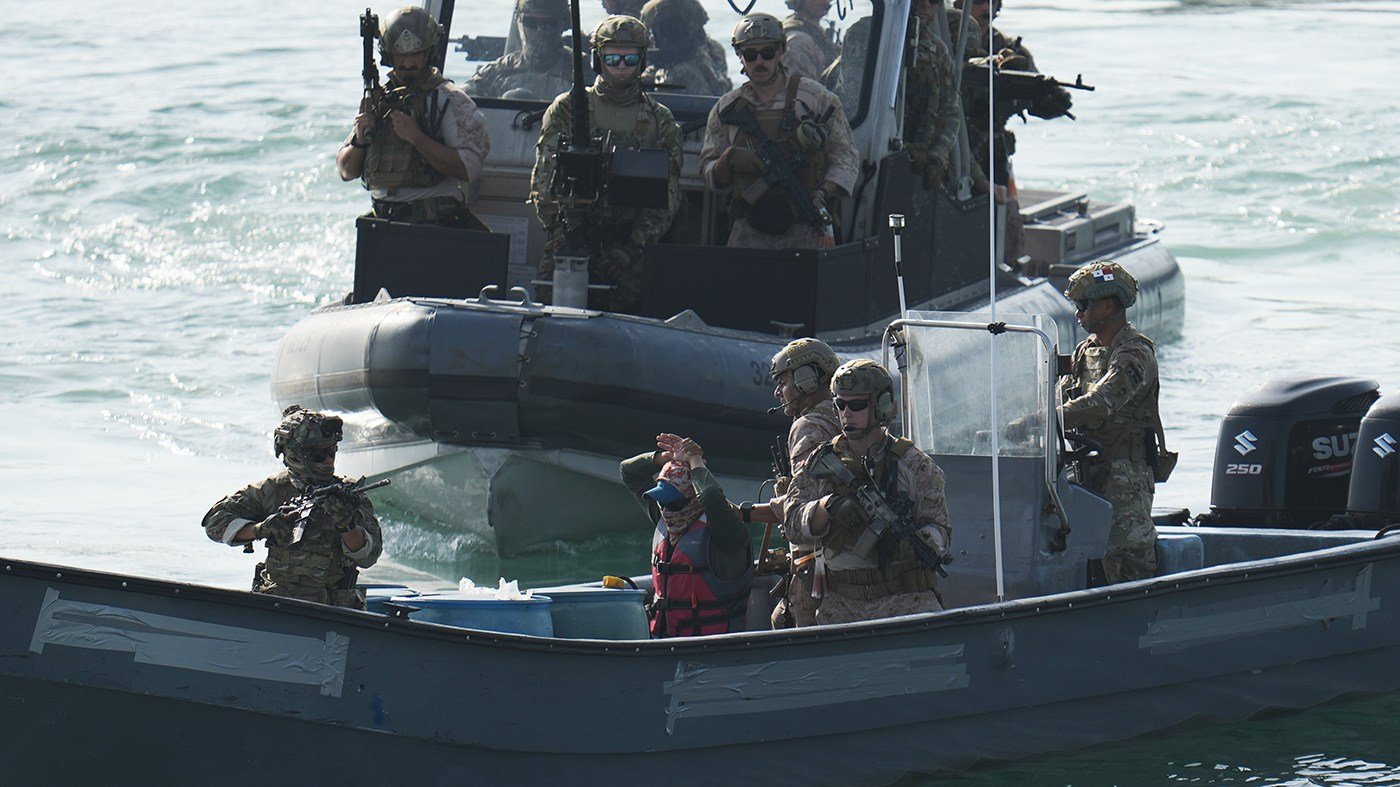
Mines, he reminds us, are an ancient weapon, but they remain devilishly effective. In the Strait of Hormuz, a 21-mile-wide chokepoint, Iran can lay mines and threaten shipping while under fire. Clearing those mines under hostile conditions is nearly impossible, and the mere threat can paralyze commercial traffic and naval operations. As he writes, “Mines are devilishly hard to locate and defuse.”
Ullman’s broader critique is that strategic thinking has atrophied. He asks whether Vladimir Putin applied such thinking before invading Ukraine, or whether Donald Trump did before ordering Operation Epic Fury. The implication is that both leaders may have failed to grasp the full consequences of their actions.
Ultimately, Ullman challenges the reader to reconsider whether “asymmetric” and “hybrid” are useful labels or just new terms for timeless realities. He quotes Tennyson’s “Charge of the Light Brigade” and concludes with a simple, haunting phrase: “one wonders.”
For those following the debate, Ullman’s essay is a timely reminder that the language we use to describe war can shape our understanding—and our strategy. As the U.S. and its allies grapple with conflicts from Ukraine to the Gulf, the need for clear, decisive thinking has never been more urgent.
Ullman is a senior adviser at the Atlantic Council and the Arnaud deBorchgrave Distinguished Columnist for UPI. His forthcoming book, co-authored with former UK Defense Chief Lord David Richards, focuses on preventing strategic catastrophe.