High-Stakes Diplomacy in Islamabad
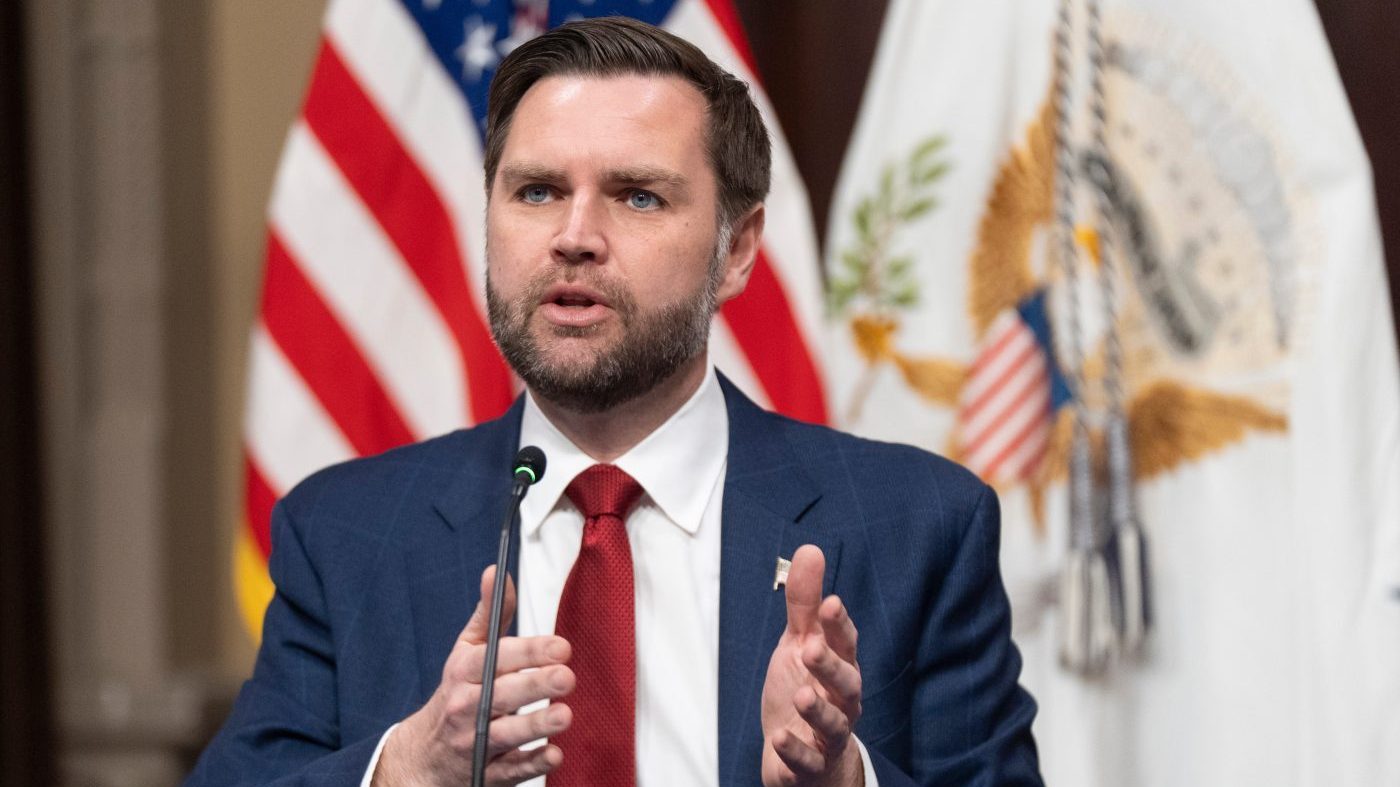
Vice President JD Vance departed for Islamabad on Friday, leading a high-level American delegation tasked with negotiating a critical deal with Iran. Speaking to reporters before his departure, Vance struck a cautiously optimistic tone, stating the team was "looking forward to negotiation" and believed the discussions would be "positive." He emphasized that the group is operating under "pretty clear guidelines" provided directly by President Trump.
A Delegation of Key Figures
The U.S. negotiating team includes two other prominent figures: Special Envoy Steve Witkoff and Jared Kushner, the President's son-in-law and senior advisor. Their mission is being facilitated by the government of Pakistani Prime Minister Shehbaz Sharif, which is acting as a mediator between Washington and Tehran. This meeting marks the first time Vance will join Witkoff and Kushner at the negotiating table with Iranian officials, with the first round of direct conversations scheduled for Saturday.
Vance framed the U.S. posture as one of conditional openness. "As the President of the United States said, if the Iranians are willing to negotiate in good faith, we're certainly willing to extend the open hand," he stated. However, he issued a clear warning: "If they're going to try to play us, then they're going to find the negotiating team is not that receptive." This dual-track approach underscores the administration's strategy of combining diplomacy with firm pressure, a balance Vance is now tasked with executing in a volatile environment.
A Fragile Ceasefire and Contentious Terms
The talks occur against the backdrop of a fresh but precarious two-week ceasefire intended to halt open conflict with Iran. The White House has publicly described the negotiations as "ongoing" but has simultaneously acknowledged the deal's fragility, noting that fighting continues in parts of the Middle East. Significant disagreements over the ceasefire's terms threaten to derail the diplomacy before substantive talks begin.
A major point of contention involves the scope of the ceasefire. Iranian officials maintain that the agreement includes an end to strikes on Lebanon, a position flatly rejected by both the United States and Israel. Vance has previously attributed this conflict to a 'legitimate misunderstanding' over Lebanon's status, but the discrepancy remains a serious obstacle. Furthermore, Tehran's broader demands, outlined in a ten-point plan, include provisions the White House is unlikely to support, such as continuing its uranium enrichment program.
The diplomatic mission represents a significant test for Vance, placing him at the center of one of the administration's most sensitive foreign policy challenges. His performance could have substantial implications for his political future, as he navigates these high-stakes Iran talks in Islamabad. The Vice President has been a vocal internal critic of escalation, having warned President Trump that a full-scale war with Iran would spark regional chaos and betray voters.
Regional Mediation and Global Context
Pakistan's role as mediator highlights its strategic attempt to position itself as a stabilizing force in the region. Prime Minister Sharif's government has actively pushed for a diplomatic resolution, having previously urged President Trump to extend a deadline on Iran and propose a two-week window for talks. The success of this mediation effort is now intertwined with the success of Vance's delegation.
As the talks proceed, the Vice President himself has labeled the current U.S.-Iran ceasefire 'fragile' and warned Tehran against negotiating in bad faith. The outcome in Islamabad will not only determine the immediate trajectory of U.S.-Iran relations but will also send a signal about American diplomatic resolve to allies and adversaries worldwide, all while conflicts like the war in Ukraine continue, where experts note the erosion of Russia's military advantage as Ukrainian forces stall frontline advances.