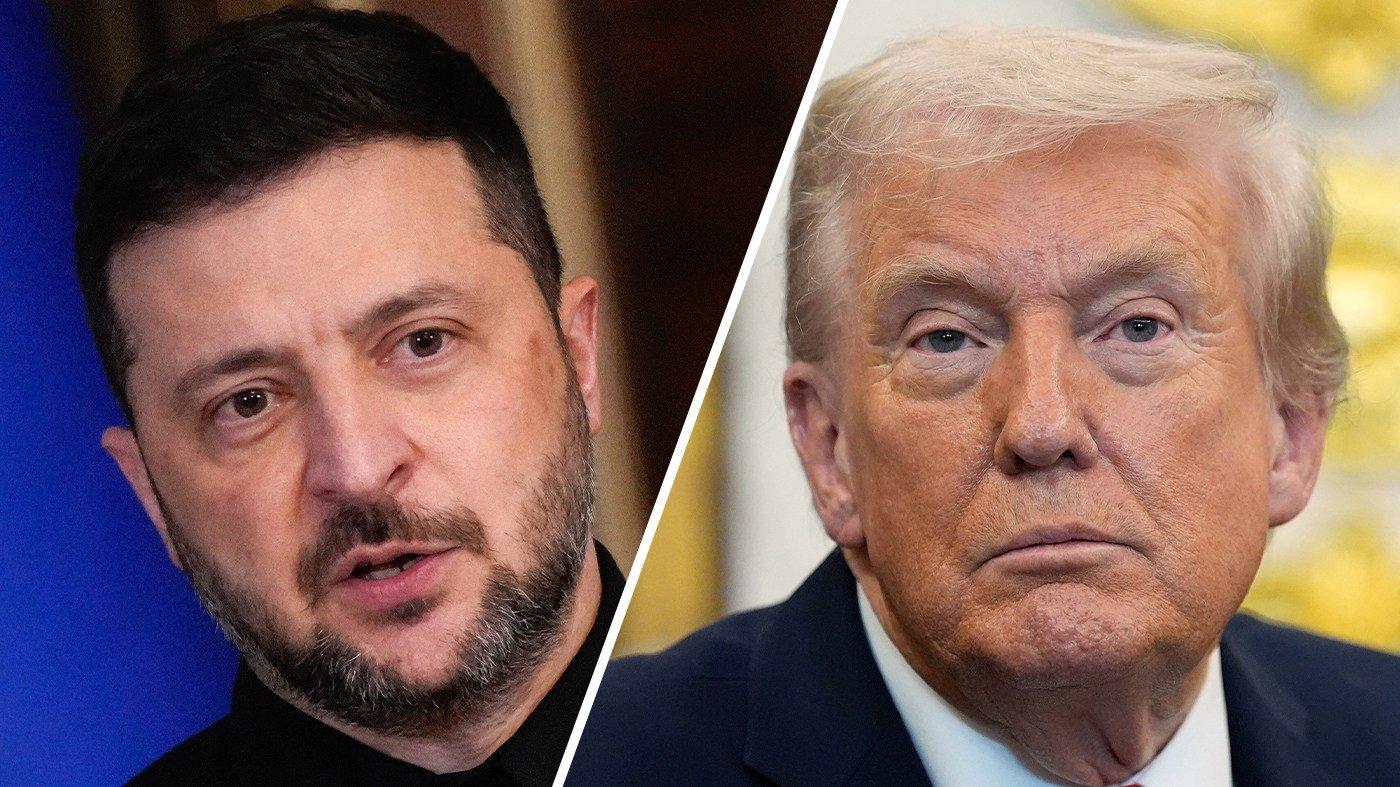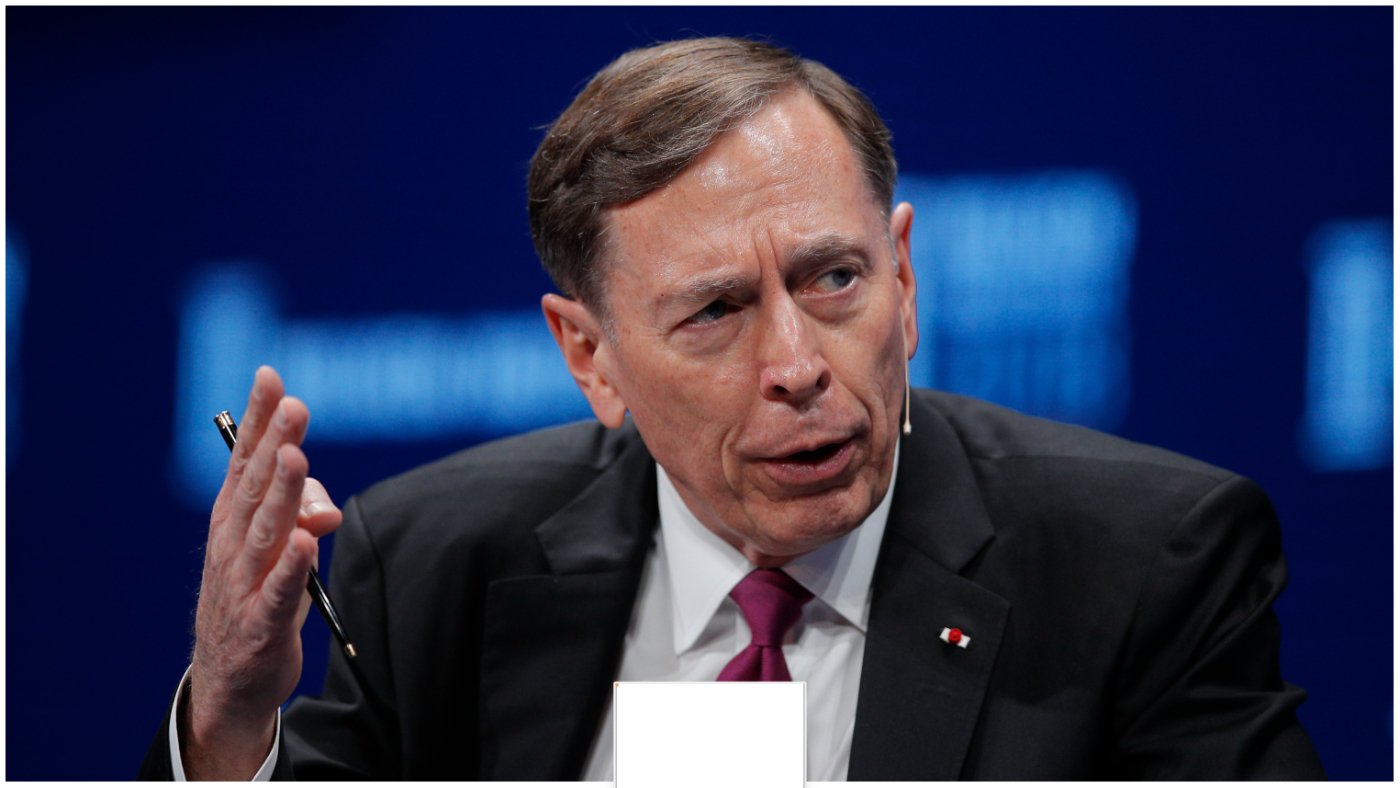
In a stark assessment of the ongoing conflict, former CIA Director and retired General David Petraeus declared that Russia has lost its military advantage in Ukraine. Speaking in a recent CBS interview, Petraeus pointed to the Ukrainian military's ability to halt Russian offensive operations as a pivotal shift in the war's dynamics.
Assessing the Battlefield Balance
Petraeus emphasized the apparent paradox of the current situation. "Russia heavily outnumbers Ukraine. It outguns Ukraine. It has an economy ten to twelve times the size of Ukraine's," he noted. "And yet the Ukrainian forces right now are stopping the Russians cold on the front lines." This observation comes as the war, now in its fifth year, continues with international mediation efforts failing to produce a lasting ceasefire.
The former intelligence chief detailed the relentless nature of Russian attacks, stating that on the morning of his interview alone, more than 400 drones and dozens of missiles were launched against Ukrainian positions. He added that glide bombs strike Ukrainian territory nightly. Despite this sustained bombardment, Petraeus argued that recent tactical outcomes favor Kyiv. "On the front lines, which is all important, the Russians have actually achieved less than the Ukrainians have in the last two weeks," he concluded.
Technological Edge and Strategic Stalemate
Ukrainian forces have leveraged advanced technology to counter Russian advantages. CBS reported that Kyiv's use of the Delta battle management system—a platform for identifying targets and coordinating strikes via digital mapping—has contributed to successful defensive operations. This technological adaptation has helped Ukraine withstand Russia's campaign to seize and annex the Donetsk, Luhansk, Zaporizhzhia, and Kherson regions.
The war's prolongation has drawn Russia deeper into strategic partnerships with other adversarial states. Reports indicate Russian President Vladimir Putin has maintained active engagement with Iran throughout its concurrent conflicts with the U.S. and Israel, sharing intelligence as both nations seek to expand their influence in the Middle East. This alliance has tangible consequences, as a Swedish commander recently warned that oil revenue from the Iran conflict is helping fuel Russia's war machine.
Meanwhile, Russia's international maneuvers continue to provoke reactions. A bipartisan group of U.S. lawmakers is demanding explanations for a recent Capitol Hill visit by sanctioned Russian officials, an event that highlights ongoing political divisions over how to confront Moscow. The visit, hosted by a Florida Republican, has exposed fissures within the GOP regarding engagement with Russia.
The global strategic landscape is further complicated by resource competition. The Pentagon is reportedly considering diverting air defense systems originally destined for Ukraine to the Middle East, as stockpiles are drained by the conflict with Iran. Such decisions underscore the interconnected nature of modern security challenges and the difficult trade-offs facing Western military planners.
Petraeus's analysis suggests a war entering a new phase—one where initial Russian advantages in scale and firepower are being neutralized by Ukrainian resilience, tactical innovation, and sustained Western support. The assessment from such a prominent military figure provides a significant counter-narrative to perceptions of inevitable Russian dominance, framing the conflict as a protracted struggle where momentum can shift based on adaptation and will.