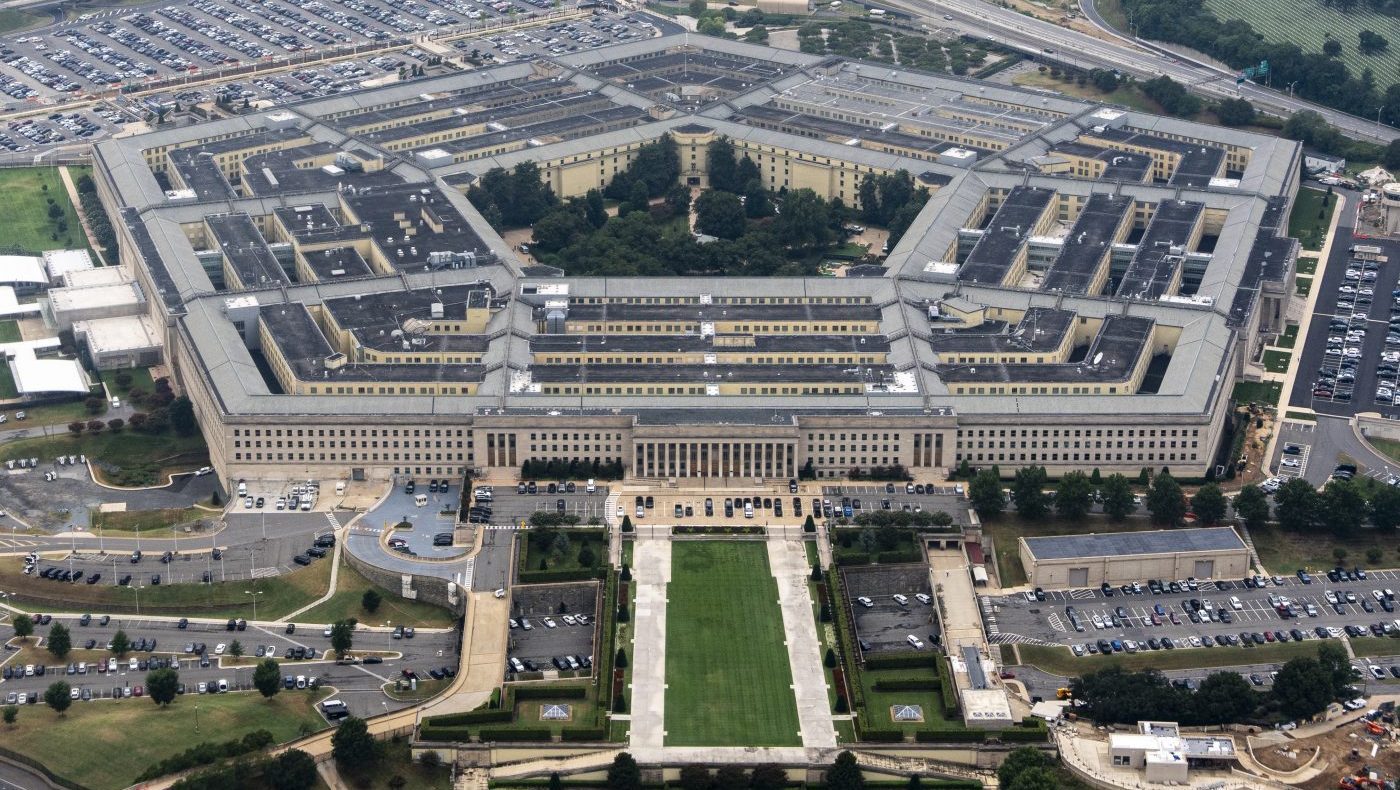
The U.S. Department of Defense is actively weighing whether to redirect critical air defense missiles and other lethal aid originally destined for Ukraine to support American military operations in the Middle East, according to a Thursday report from The Washington Post. The potential shift comes as the U.S. military's munitions stockpiles face significant strain from the ongoing conflict with Iran, which began on February 28.
NATO Initiative Could Be Tapped
The weapons under consideration include air defense interceptor missiles procured through a key NATO mechanism known as the Prioritized Ukraine Requirements List (PURL). This program allows allied nations to purchase U.S. weaponry specifically for transfer to Kyiv. Three individuals familiar with the internal discussions confirmed the review to the Post. While no final decision has been made, the move would highlight the severe logistical pressure the Iran war is placing on American arsenals, following strikes on over 10,000 targets.

When questioned about the potential diversion on Thursday, President Donald Trump appeared to acknowledge the practice. "We do that all the time," Trump told reporters during a White House Cabinet meeting. "We have tremendous amounts of ammunition, we have them in other countries... and we take, sometimes we take from one and we use for another." The Trump administration has already sharply curtailed most direct weapons assistance to Ukraine, following a surge of support under the previous administration. Kyiv now relies heavily on European partners, though it still receives vital U.S. equipment like air defense interceptors and precision munitions through the PURL program, to which about $4 billion has been committed.
European Alarm and Pentagon Assurance
The mere suggestion of diverting aid has triggered concern among European allies. European Union Foreign Affairs Chief Kaja Kallas issued a public warning, urging Washington not to break its promises to Ukraine. "It's definitely important that those promises that have been given to Ukraine regarding their weapons and their defenses that they so desperately need are delivered to them," Kallas stated on MS Now. "The Russians are really targeting civilians and civilian infrastructure... We can't let Ukraine slip off the table."
A Pentagon spokesperson, in a statement, asserted that the U.S. military remains the world's most powerful and "will ensure that U.S. forces and those of our allies and partners have what they need to fight and win." The spokesperson declined to comment on specific allied requirements or support efforts, citing operational security. This comes as Defense Secretary Hegseth has taken a notably hawkish public stance on the Iran conflict.
According to a European official, Ukraine would not feel the immediate impact of any diversion for at least a month or two, as some shipments are already in the logistical pipeline. However, the potential redirection spotlights the difficult balancing act facing the Pentagon, which is simultaneously supporting a major European ally while prosecuting a demanding air campaign in the Middle East.
Broader Strategic Implications
The reported deliberations occur within a complex strategic landscape. The administration's approach to both theaters has been marked by unorthodox channels that some analysts argue undermine coherent military strategy. Furthermore, the strain on munitions is driving a push for rapid production increases. The White House is expected to request approximately $200 billion in supplemental funding from Congress specifically for the military campaign against Iran.
This resource competition unfolds as NATO allies report a significant 20% jump in defense spending, though debates continue over long-term investment targets. The potential diversion of Ukraine aid also risks exacerbating tensions with European partners who have shouldered a greater burden of support for Kyiv. The situation underscores the global ripple effects of the Middle East conflict, which is also disrupting energy markets and contributing to inflationary pressures projected by the OECD.
Ultimately, the Pentagon's decision will signal Washington's immediate priorities in a world of simultaneous, high-intensity conflicts. It represents a tangible test of the administration's ability to manage competing demands on finite military resources while maintaining alliances under severe strain.