Lawmakers Challenge Administration Over Russian Delegation's Access
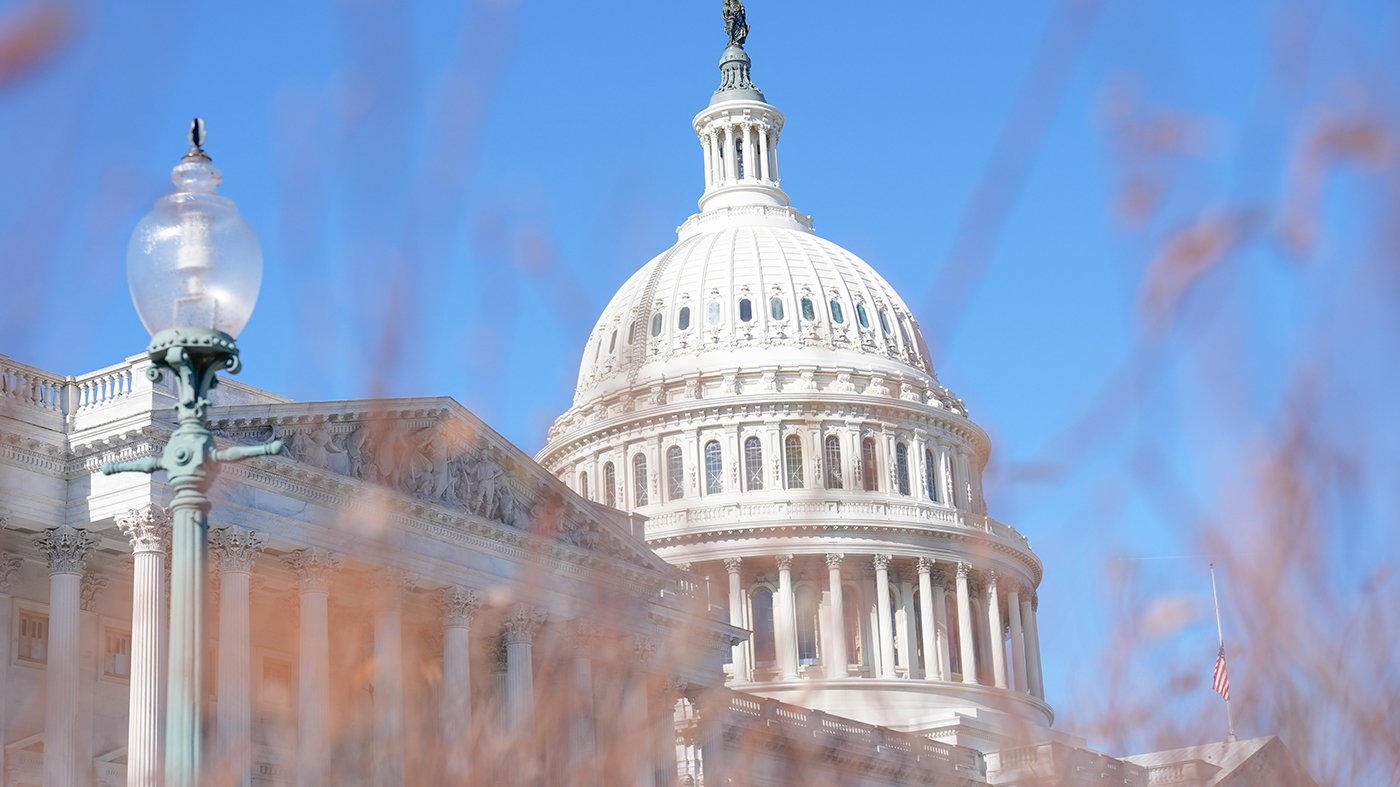
A bipartisan group of House members led by Democrats has formally demanded that Secretary of State Marco Rubio and Treasury Secretary Scott Bessent explain how and why several sanctioned Russian lawmakers were permitted to enter the United States this week and receive a tour of the U.S. Capitol. The visit was organized by Florida Republican Representative Anna Paulina Luna.
The delegation, which included members of Russia's State Duma subject to U.S. and allied sanctions for their roles following the invasion of Ukraine, met with a handful of U.S. lawmakers. In a letter sent Friday, the questioning members called the episode "deeply concerning," arguing it risks legitimizing officials complicit in dismantling international norms and contradicts the fundamental purpose of sanctions meant to isolate Russian leadership.
Questions Over Waivers and Policy Consistency
Because the Russian officials are under active U.S. sanctions, their entry would have required specific waivers from the Treasury Department's Office of Foreign Assets Control. The lawmakers' letter poses a series of direct questions to the administration: which agency initiated or requested the waivers, what specific national security or foreign policy objective was served by the meetings, and who ultimately approved the visas.
"At a minimum, the American people and Congress deserve a full accounting of how and why this decision was made," the letter states. "The credibility of U.S. sanctions policy—and our broader commitment to holding aggressors accountable—depends on consistent and principled application." The signatories warn that the visit sends conflicting signals to U.S. allies in Europe and undermines support for Ukraine. This demand for accountability mirrors recent bipartisan pressure on the administration regarding other foreign policy matters, such as when a bipartisan coalition pushed for renewed sanctions on Bosnian Serb leader Milorad Dodik.
The delegation was led by Vyacheslav Nikonov, chair of the Duma's Foreign Affairs Committee. Other members included Boris Chernyshov, Mikhail Delyagin, Vladimir Isakov, and Svetlana Zhurova, all of whom hold sanctions from the European Union and other allied nations like the United Kingdom, Japan, and Australia.
Luna's Outreach and GOP Dissent
Rep. Luna, who escorted the group through the Capitol, has framed her engagement as an effort to facilitate dialogue. "We are pushing for an ending to the war in Ukraine," Luna told reporters. "We want to make sure that there's support from Congress in those peace talks as well as the president's perspective on everything."
However, the visit drew criticism from within her own party. Republican Representative Andy Barr of Kentucky, who serves with Luna on the House Foreign Affairs Committee, called Russia "an adversary" and said he would "have questions about what the objectives are" for such a visit. The internal GOP disagreement highlights ongoing fractures within the conference on foreign policy, similar to the divisions seen when the House Freedom Caucus blocked a DHS funding deal over policy demands.
Besides Luna, three other Republican members and one Democrat, Texas Representative Vicente Gonzalez, met with the Russian officials. Republican Representative Derrick Van Orden of Wisconsin, who participated, offered a pragmatic view: "The journey of a thousand miles is starting with a single step." He described the delegates as "just people" and "diplomats," speculating one "used to be a KGB agent" but was "pleasant enough."
The letter was signed by Democratic Representatives Dina Titus of Nevada, Marcy Kaptur of Ohio, Mike Quigley of Illinois, Jim Costa of California, and Chellie Pingree of Maine. They were joined by Republican Representative Brian Fitzpatrick of Pennsylvania, making the challenge a rare bipartisan effort. The State and Treasury departments have not yet publicly commented on the inquiry.
The incident underscores the delicate and often contentious balance between diplomatic engagement and punitive measures against adversarial nations. It also raises questions about the coordination—or lack thereof—between legislative initiatives and executive branch enforcement, a tension that frequently surfaces in Washington's foreign policy machinery. The administration's response will be closely watched, particularly by lawmakers who have been vocal on defense strategy, including those on the House Armed Services Committee who recently demanded a public hearing on Iran conflict strategy.