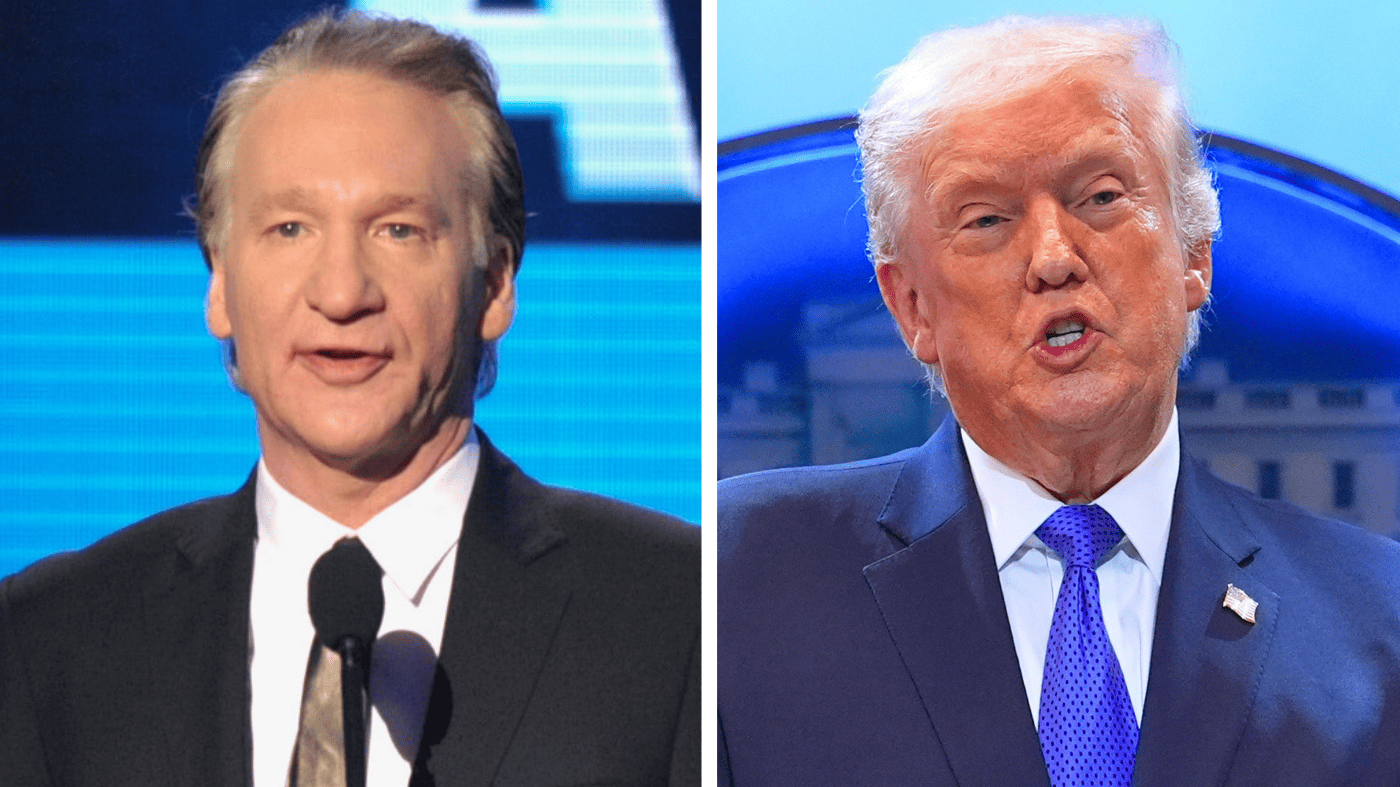
In a scathing Friday night monologue, political commentator and comedian Bill Maher characterized President Trump's recent two-week ceasefire with Iran as a maneuver designed primarily to "save face" politically. The host of "Real Time" dismissed Trump's assertion that the vital Strait of Hormuz had been fully reopened during the pause in hostilities, framing the agreement as a political performance rather than a substantive resolution.
"Apparently, this agreement we have, we have to save face and not, you know, kill everybody in Iran by pretending that it's open, although it's kind of not," Maher told his audience. The critique follows an intense week of presidential rhetoric directed at Tehran, including an Easter Sunday demand from Trump ordering Iranian leaders to "Open the F---in' Strait, you crazy bastards, or you'll be living in Hell." The president later issued an ultimatum warning that "a whole civilization will die tonight" if demands were not met.
Economic Strains and Cryptocurrency Tolls
The strategic waterway, which channels approximately one-fifth of global daily oil consumption, has seen limited maritime traffic resume during the ceasefire. However, Tehran has instituted a new policy, charging vessels the cryptocurrency equivalent of one dollar per barrel of oil onboard. This move comes after Trump had initially floated a "joint venture" concept on the tolls earlier in the week, only to publicly condemn the fees days later.
"There are reports that Iran is charging fees to tankers going through the Hormuz Strait — They better not be and, if they are, they better stop now!" the president posted on Truth Social on Thursday. The back-and-forth occurs as diplomatic efforts in Islamabad show increasing strain, with the ceasefire's durability in question.
Inflationary Shock and White House Response
The economic repercussions of the strait's effective closure have been severe. The price of Brent crude oil surged to $118 per barrel, pushing the average U.S. gasoline price above four dollars per gallon by late March. Labor Department data revealed the largest monthly inflation increase in nearly four years for March, driven overwhelmingly by energy costs which jumped 10.9 percent. Specific spikes included a 30.7 percent increase for fuel oil and over 21 percent increases for both gasoline and fuel commodities.
The White House has downplayed these figures. In a statement to NewsNation, spokesperson Kush Desai characterized the economic pressures as "short-term disruptions." Desai asserted, "As the Administration ensures the free flow of energy through the Strait of Hormuz, the American economy remains on a solid trajectory thanks to the Administration's robust supply-side agenda of tax cuts, deregulation, and energy abundance." This defense aligns with the administration's broader political messaging on economic energy.
The crisis has unfolded alongside other international tensions, including separate ceasefire violations in Eastern Europe. Maher's commentary amplifies domestic criticism of the administration's foreign policy approach, suggesting the ceasefire is less a strategic achievement and more a political necessity for a president who had issued apocalyptic threats. The situation remains fluid, with the global economy acutely sensitive to any further disruption in the critical maritime corridor.