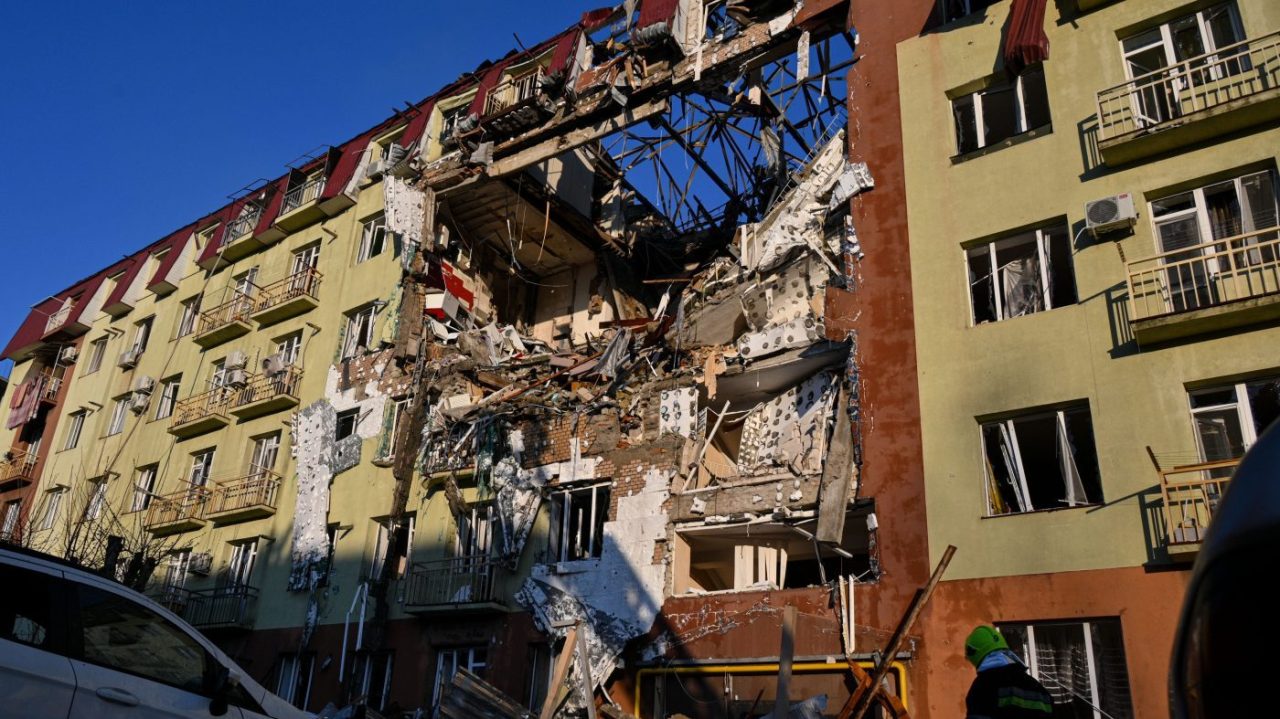
Russian drone strikes struck the Ukrainian port city of Odesa overnight, killing at least two civilians and wounding two others just hours before a declared 32-hour ceasefire for Orthodox Easter was set to begin. Local authorities reported the attack targeted a residential area, damaging apartment buildings, houses, and a kindergarten.
The Ukrainian Air Force stated Russia launched 160 drones overnight, with Ukrainian defenses intercepting 133 of them. In a separate claim, Russia's Defense Ministry said it shot down 99 Ukrainian drones over Russian territory and occupied Crimea. The strikes occurred as both nations prepared for a temporary halt in hostilities ordered by Russian President Vladimir Putin, scheduled from Saturday afternoon through Sunday.
Ceasefire Declarations and Skepticism
President Putin announced the ceasefire on Thursday, framing it as a humanitarian gesture for the holy weekend. Kremlin spokesman Dmitry Peskov reiterated this characterization on Friday but emphasized Moscow's continued focus on achieving a comprehensive settlement based on its longstanding demands, which have been a major obstacle in negotiations.
Ukrainian President Volodymyr Zelenskyy stated Ukraine would observe the ceasefire but warned of a swift military response to any Russian violations. "Easter should be a time of silence and safety. A ceasefire at Easter could also become the beginning of real movement toward peace," Zelenskyy wrote in an online post. He added, "We all understand who we are dealing with. Ukraine will adhere to the ceasefire and respond strictly in kind." The incident underscores the fragility of such temporary truces, reminiscent of other international ceasefire efforts that have shown signs of collapse under pressure.
Prisoner Exchange Amid Stalled Talks
In a rare moment of coordination, the two sides conducted a significant prisoner exchange on Saturday. Russia's Defense Ministry reported the return of 175 of its soldiers. President Zelenskyy confirmed the swap, noting that 175 Ukrainian service members and seven civilians, most captured since 2022, had been returned. "Finally, they are home," he stated.
At the exchange site in northern Ukraine, Svitlana Pohosyan awaited her son's return. Speaking about the ceasefire, she expressed cautious hope: "I want to believe it. God willing, may it be so... My celebration will come when my son returns. I will hold him in my arms—and that will be the greatest celebration for me." These periodic exchanges remain one of the few functional outcomes of U.S.-brokered negotiations that have otherwise failed to resolve the core issues of the invasion, now in its fifth year.
Separately, Russian state media reported that seven residents of Russia's Kursk region returned from Ukrainian captivity on Saturday, greeted at the border by Russia's human rights ombudswoman, Tatyana Moskalkova. She stated they were the last of those taken after Ukrainian forces made a surprise incursion into the region in August 2024—a significant military success that marked the first occupation of Russian territory since World War II.
Context of Failed Diplomacy
The overnight violence in Odesa and the concurrent prisoner swap highlight the contradictory state of the conflict: moments of coordination exist alongside relentless attacks. Ukraine had earlier proposed a mutual pause in strikes on energy infrastructure over the holiday, but the Odesa attack demonstrates the immediate challenges. Previous ceasefire attempts have quickly broken down, with mutual accusations of violations.
The dynamic reflects a broader pattern in international conflicts where ceasefires often serve as tactical pauses rather than pathways to peace. Similar tensions have been seen in other global hotspots, such as when fragile US-Iran ceasefire negotiations have proceeded amid threats and military posturing. As the Orthodox Easter period continues, the world watches to see if this temporary halt can foster a longer dialogue, or if it will simply be another brief interlude in a protracted war.