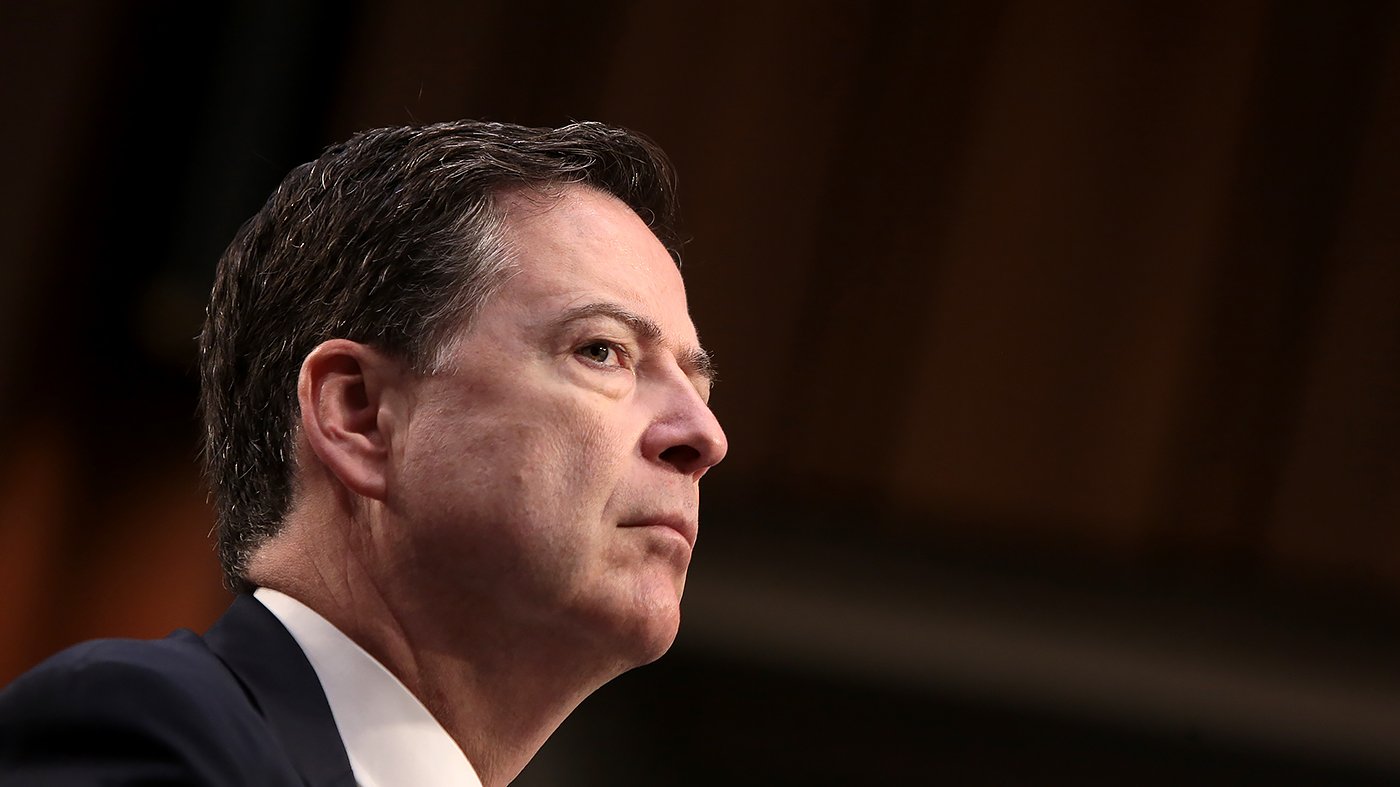
The criminal trial of former FBI Director James Comey, who faces charges for allegedly threatening to kill President Trump via a social media post featuring seashells, has been rescheduled to begin October 21. U.S. District Judge Louise Wood Flanagan granted Comey's request for a delay on Tuesday, pushing back proceedings that had been slated for an earlier date.
The case hinges on a now-deleted Instagram photo Comey posted in 2025, showing seashells arranged to form the number "8647" with the caption: "Cool shell formation on my beach walk." A federal grand jury in the Eastern District of North Carolina indicted Comey in April, alleging the image constituted "a serious expression of an intent to do harm" to President Trump, according to court documents.

Comey has denied any violent intent, stating he believed the shells were conveying "a political message" and did not associate them with threats. He removed the post after critics flagged its potential connection to violence. The number "86" is common slang in the restaurant industry, meaning an item is unavailable or should be removed, but Trump has insisted the post was a coded call for his assassination and pressured the Justice Department to act.
The former FBI director plans to file multiple motions to dismiss the indictment. Judge Flanagan noted in her order that some arguments "may be dependent upon discovery yet to be produced by the government," signaling potential delays as both sides prepare. If the case survives those motions, Comey will appear for arraignment in New Bern, North Carolina, on September 30.
This is not Comey's first federal prosecution. He previously faced charges in the Eastern District of Virginia for making false statements during a 2020 congressional testimony before the Senate. That case was thrown out after a judge ruled that former U.S. Attorney Lindsey Halligan's appointment was unlawful, a decision that has fueled scrutiny of the Trump administration's legal tactics, including its push for NDAs among federal workers to curb leaks.
The trial's delay comes amid broader political tensions. Trump has used the case to rally supporters, while critics argue it exemplifies the weaponization of the justice system. Comey's legal team is expected to challenge the indictment's specificity and the government's interpretation of the post, potentially leaning on First Amendment protections for ambiguous online speech.
Observers note that the outcome could set a precedent for how courts handle coded or symbolic threats in the digital age. The case also intersects with ongoing debates about federal overreach, as seen in the Trump administration's quiet dismantling of harassment protections and other policy shifts. Meanwhile, Comey remains a polarizing figure, with his tenure at the FBI and subsequent legal battles keeping him in the spotlight.
As the October trial date approaches, both sides are gearing up for a contentious fight that could test the boundaries of free expression and political prosecution. The judge's decision to allow additional time may give Comey's team room to build a robust defense, but it also prolongs a saga that has captivated the political world.