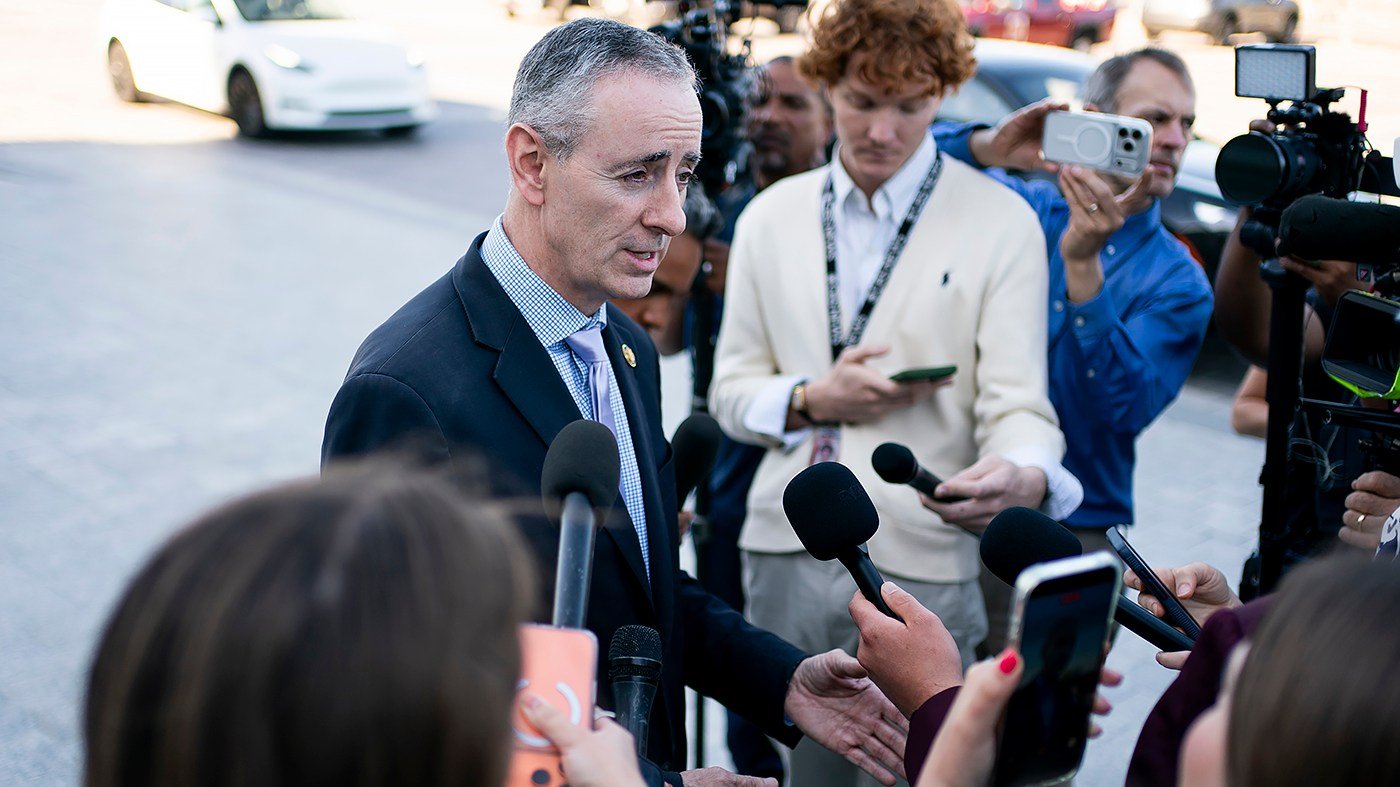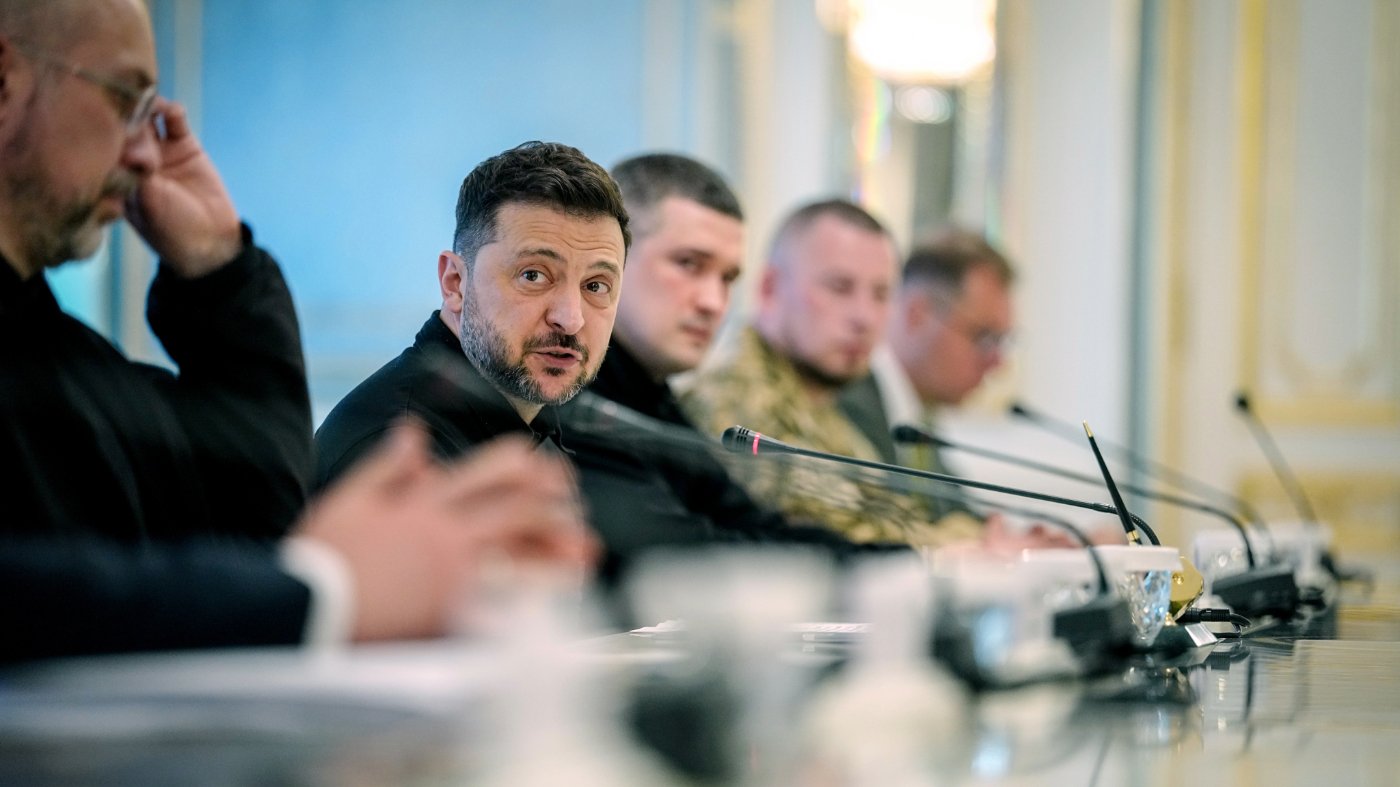
More than four years after Russia launched its full-scale invasion of Ukraine, American military and financial aid to Kyiv has dropped dramatically, even though polls show a majority of Americans still back the effort. The slowdown is largely driven by President Trump and Vice President JD Vance's open hostility toward President Volodymyr Zelensky, which has led to deliberate delays in releasing funds already approved by Congress.
As a pediatrician and co-founder of a humanitarian organization, I have traveled repeatedly to Ukraine. I have seen the destruction from Russia's relentless attacks on civilians, including children, and spoken with experts who underscore both the strategic and humanitarian stakes. At issue are four core principles that together make a compelling case for continued U.S. support.
Democracy at Stake
First, Ukraine's fight for democracy directly bolsters America's own democratic security. Vladimir Putin made clear from the start that Ukraine's independence, democratic aspirations, and westward orientation were unacceptable. This war is not a border dispute; it is an attempt to crush a sovereign democracy and replace it with authoritarian subjugation. Putin's Russia is an avowed adversary of the United States and democratic institutions worldwide. It interferes in elections, weaponizes disinformation, and seeks to weaken NATO and the post-World War II order that has kept Europe stable for generations. Securing democracy in Ukraine is not just Europe's problem—it is vital to America's future.
No Reward for Conquest
Second, the United States and its allies must never tolerate violent territorial conquest by a geopolitical bully. Russia has waged a campaign of occupation, cultural eradication, and forced Russification in seized regions. Putin's goal is conquest and assimilation into a Greater Russia. Allowing Russia to keep territory taken by force would not produce durable peace; it would signal to authoritarian regimes everywhere that aggression pays. That precedent is unacceptable.
Battlefield Innovation
Third, Ukraine has become a global laboratory for modern warfare, offering critical lessons for U.S. military modernization. Ukrainian forces have pioneered innovations in drone warfare, cyber defense, electronic warfare, and decentralized battlefield tactics that many experts now consider world-leading. American planners should deepen partnerships with Ukraine not just as benefactors but as beneficiaries, learning how these innovations are reshaping 21st-century combat. As one expert told me, Ukraine is exposing vulnerabilities in a principal U.S. adversary without a single American soldier fighting on the ground. If Ukraine falls, those hard-won lessons and technologies could fall into Russian hands.
The Human Cost
Finally, Ukraine's children are paying an unbearable price. By spring, humanitarian groups reported more than 3,500 children killed or injured since the full-scale invasion began. Millions have suffered profound psychological trauma and educational disruption. UNICEF estimates that over a third of Ukraine's children remain displaced, and millions face severe educational challenges. This matters for humanitarian reasons, but also strategically: these children are Ukraine's future—the engineers, teachers, entrepreneurs, and democratic leaders who will rebuild the country.
Critics often invoke "America First" to argue for abandoning Ukraine. But helping Ukraine is America First. Weakening a hostile adversary, strengthening democratic alliances, modernizing our understanding of warfare, and deterring future aggression all serve core U.S. interests—and we do so without sending American troops into combat. Some argue Ukraine is too corrupt to support. Corruption is a longstanding challenge, but wartime reforms and oversight have advanced significantly. More important, corruption is not a rationale for abandoning a democracy fighting for survival; by that logic, America's own imperfections would disqualify us from global leadership.
If the U.S. retreats while Ukraine still fights, the message to aggressive authoritarians everywhere will be unmistakable: forcibly violating sovereignty works. Congress must insist on sustained support. As leadership dynamics on Capitol Hill shift, and as asymmetric warfare reshapes conflicts from Ukraine to the Middle East, the stakes could not be higher. The choice is not between helping Ukraine or helping America—it is about whether America will stand for the principles that have defined its global leadership for generations.