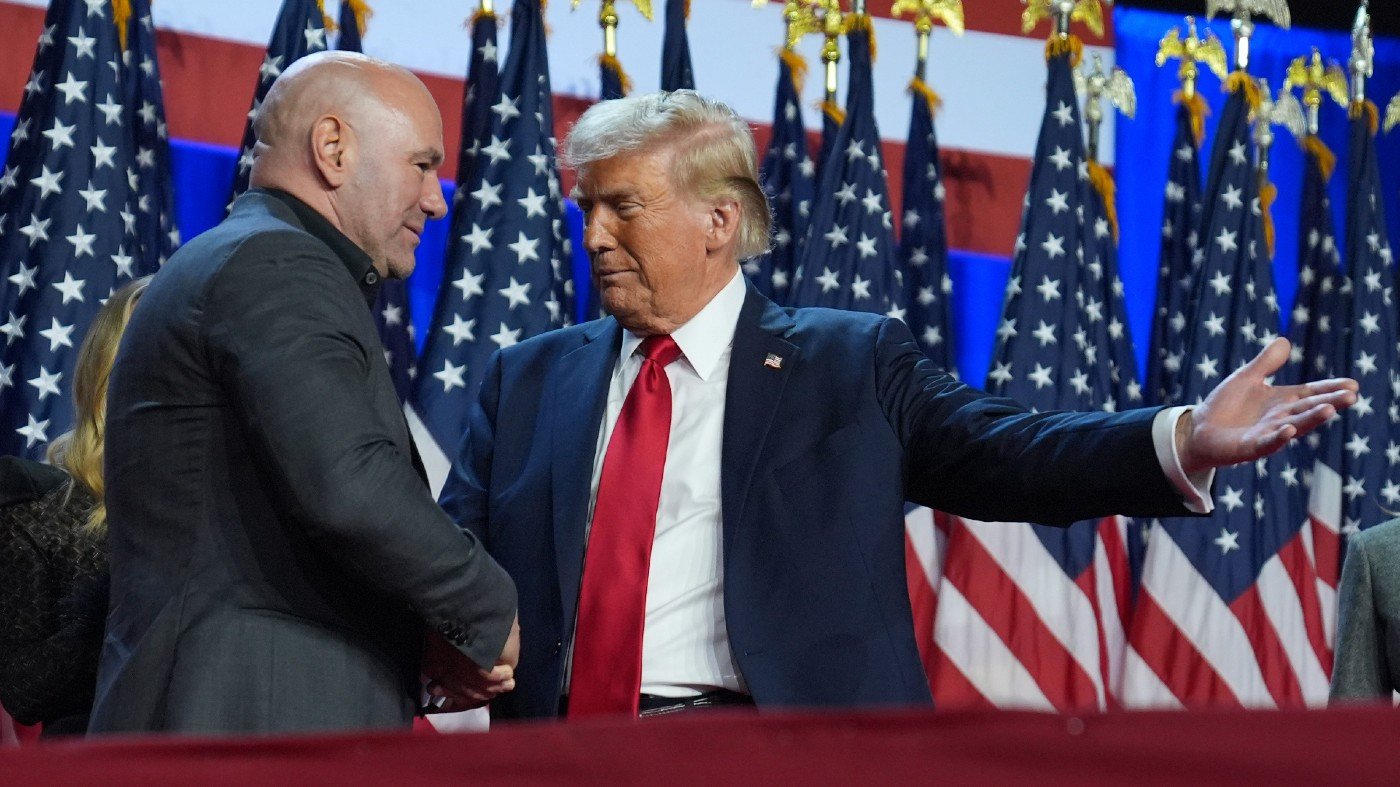
UFC President and CEO Dana White is pushing back against critics who see his decision to host a fight at the White House as a political maneuver, framing it instead as a patriotic tribute to the nation's 250th birthday.
In a wide-ranging interview with Time published this week, White dismissed suggestions that the event has partisan overtones. “You can make anything political if you want to,” he said. “I love this country like anybody on the left loves this country. I love this country like anybody on the right loves this country.”
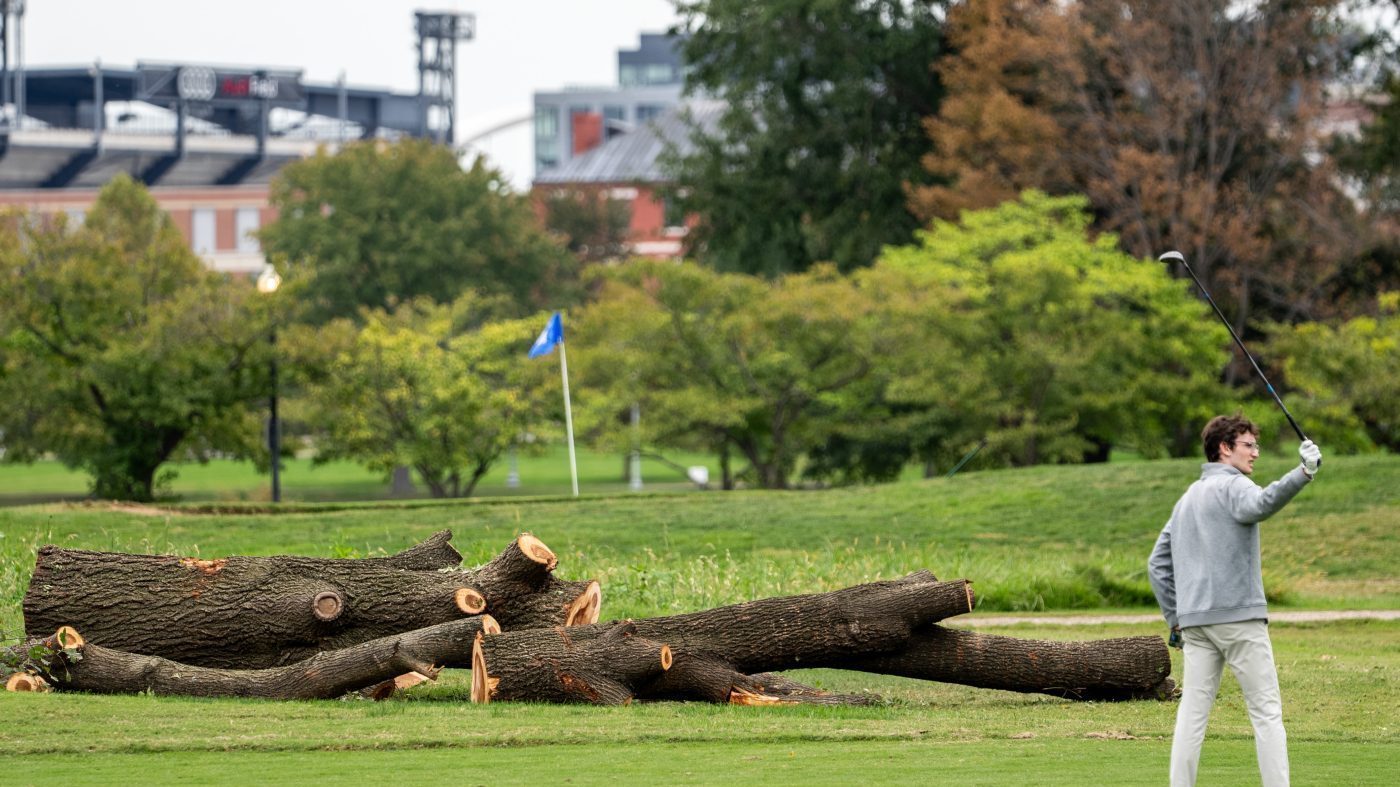
White’s comments come as construction for “UFC 250” began over the weekend on the South Lawn, with President Trump predicting thousands of fans will attend the fights. The event is scheduled for June 14, coinciding with Trump’s birthday and broader “America 250” celebrations marking the nation’s semiquincentennial.
White described the undertaking as “basically me spending a s--tload of money to celebrate the 250th birthday of America, with America and the rest of the world.” He acknowledged the pressure to deliver, telling Time: “We’ve got to get it all dialed in, and then we have to execute that night. We’re putting on the most historic sporting event in history, and now we have to deliver. We will absolutely, positively deliver.”
The UFC chief’s relationship with Trump is well-documented. White spoke at the 2024 Republican National Convention in support of the president, and the two have maintained a close alliance. Critics argue the White House fight blurs the line between sports and politics, especially given the timing. However, White insists the event transcends partisan divides.
This latest development comes amid a broader political landscape where even non-political events can become flashpoints. For instance, Democrats are increasingly wary that their anti-Trump fervor may backfire, while Trump's aggressive rhetoric on territorial expansion is raising eyebrows in foreign policy circles.
White’s framing of the event as a celebration of American heritage rather than a political rally is unlikely to satisfy all skeptics. The intersection of combat sports, presidential politics, and national anniversary festivities creates a unique spectacle that will be closely watched both for its athletic merit and its symbolic implications.
As construction continues on the South Lawn, the question remains whether the event will be remembered as a unifying patriotic moment or another chapter in the deepening politicization of American institutions. White, for his part, is betting on the former.