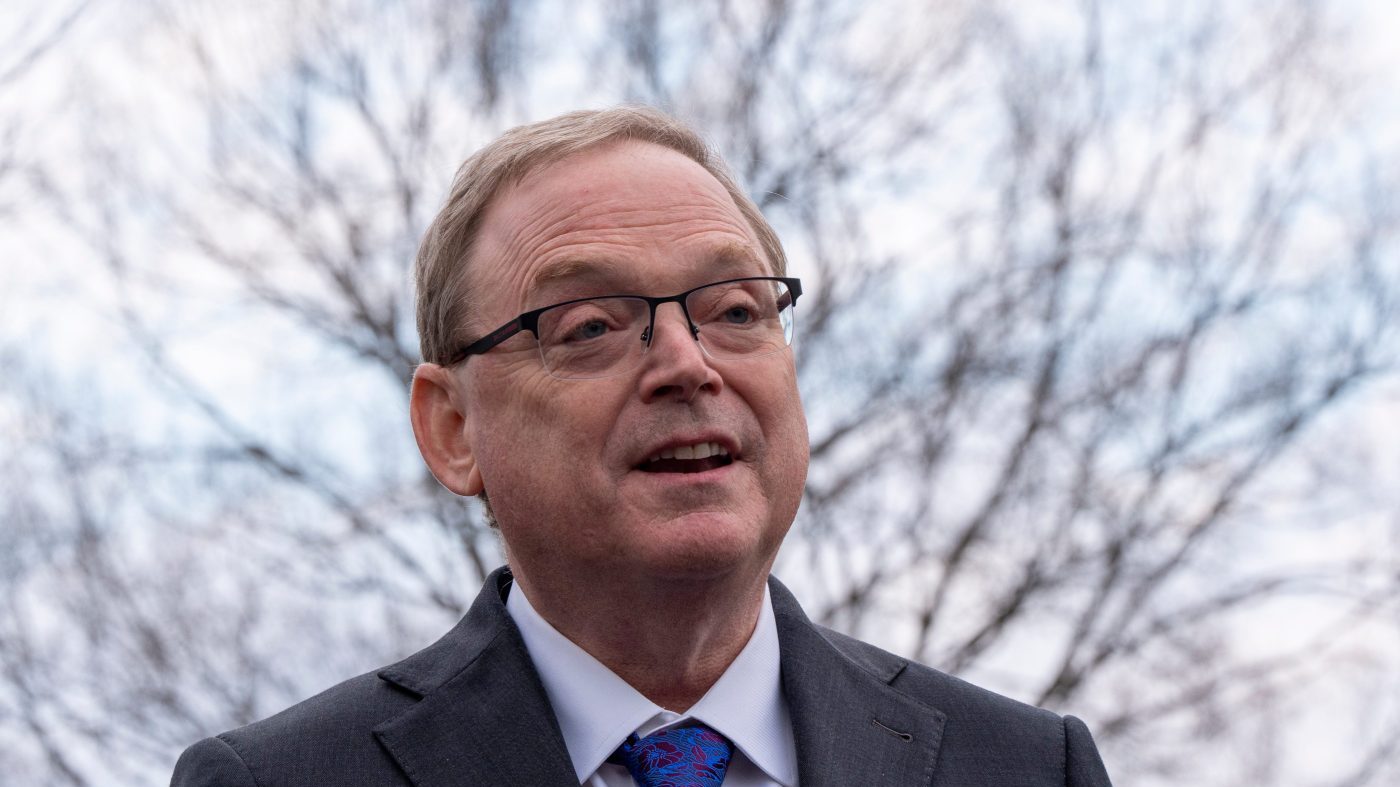
National Economic Council Director Kevin Hassett declared Tuesday that energy prices are poised for a dramatic decline once Iran reopens the Strait of Hormuz, describing the expected drop as unprecedented in scale.
"Well, you know, I can't really talk about the ongoing negotiations and the strikes, but what I can say is that as soon as the straits are open, then energy prices are going to plummet like nothing you've ever seen before," Hassett said on Fox Business Network's "Mornings with Maria."
Hassett pointed to a glut of oil sitting in the Gulf and substantial excess capacity in Saudi Arabia and the United Arab Emirates as key factors that would drive prices down rapidly. His remarks come as the Trump administration pushes for a deal to end the blockade imposed by Tehran after U.S. and Israeli strikes on Iran in late February.
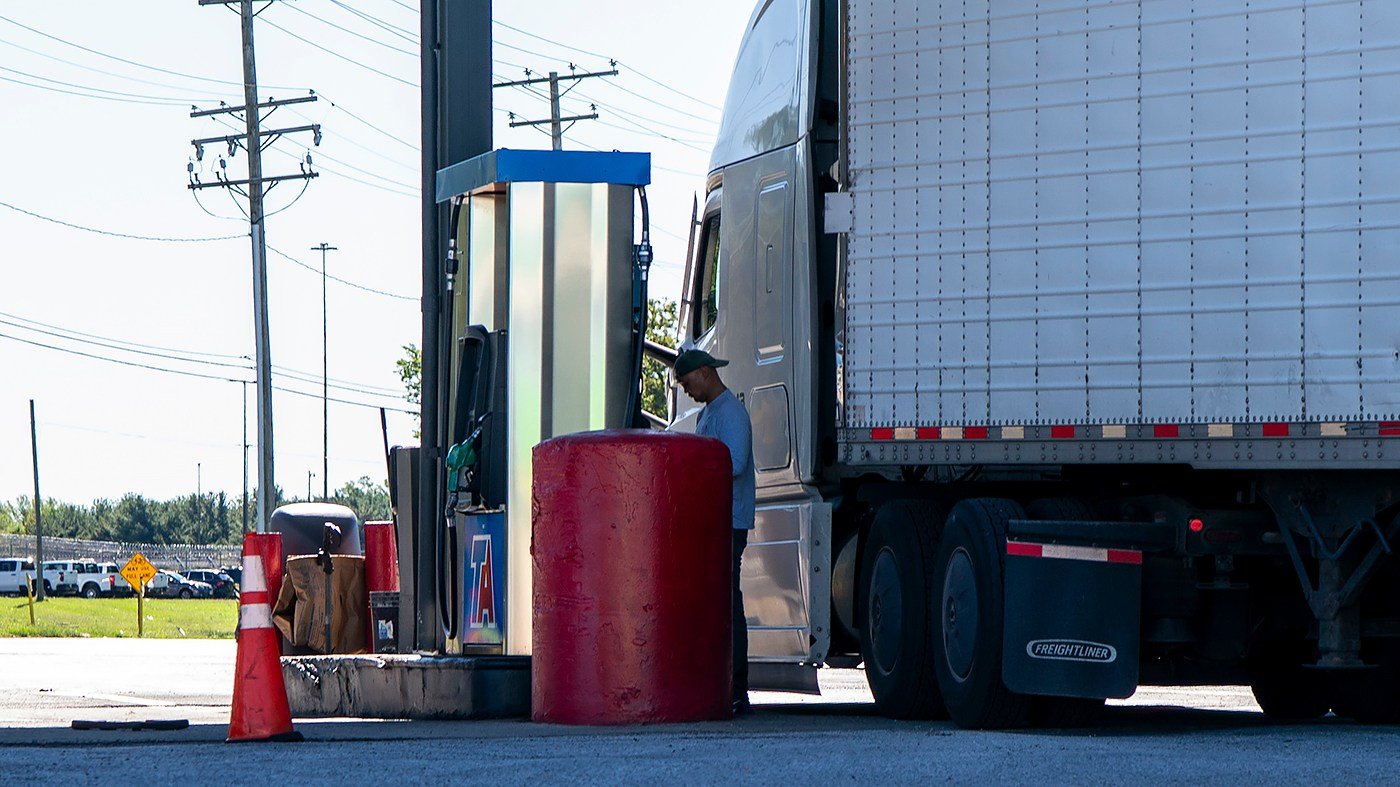
The closure of the Strait of Hormuz—a critical chokepoint for nearly a fifth of global oil shipments—has sent gasoline prices soaring. According to AAA, the average price for a regular gallon of gas in the United States reached about $4.49 by Tuesday afternoon, up sharply from $3.18 a year ago. The surge has fueled economic anxiety, with consumer sentiment hitting record lows amid the conflict.
Oil markets showed signs of relief Monday as negotiations between Washington and Tehran appeared to accelerate. West Texas Intermediate crude futures dropped more than 6.1 percent to $90.68, while Brent crude fell 6.1 percent to $97.22. The slide followed reports that a deal to reopen the strait was within reach.
Secretary of State Marco Rubio acknowledged Tuesday that finalizing the terms could take "a few more days," as the war nears the three-month mark. "There [were] some talks going on in Qatar today, so we'll see if we can make progress on—I think it's a lot of talking back and forth going on about specific language in the initial document," Rubio told reporters in India.
President Trump has defended the emerging agreement against critics, including some Republicans, and stressed that U.S. negotiators should not rush. "The talks are proceeding nicely," Trump said, even as the U.S. launched what it called "defensive" strikes on targets in southern Iran hours later. Tehran accused Washington of violating the temporary truce and warned that American military bases in the Middle East were no longer safe.
The administration's strategy has drawn scrutiny from some quarters. The Wall Street Journal editorial board warned that a deal risks becoming an "economic bailout" for the Iranian regime, while state and local leaders are exploring ways to shield Americans from energy price spikes caused by the conflict.
For now, Hassett's prediction hinges on a swift resolution. "There's so much oil sitting in the Gulf, there's so much excess capacity in Saudi Arabia and UAE, that prices should drop very, very quickly," he said. Whether that optimism is borne out depends on the fragile diplomacy unfolding in Qatar and the willingness of both sides to stick to a ceasefire.