The British government has formally suspended its commitment to transfer sovereignty of the Chagos Islands to Mauritius, a decision directly prompted by the withdrawal of support from former U.S. President Donald Trump. The move halts a 2024 agreement that was intended to resolve a decades-long dispute over the archipelago, which Britain separated from Mauritius during decolonization in the 1960s.
Strategic Base at the Heart of the Dispute
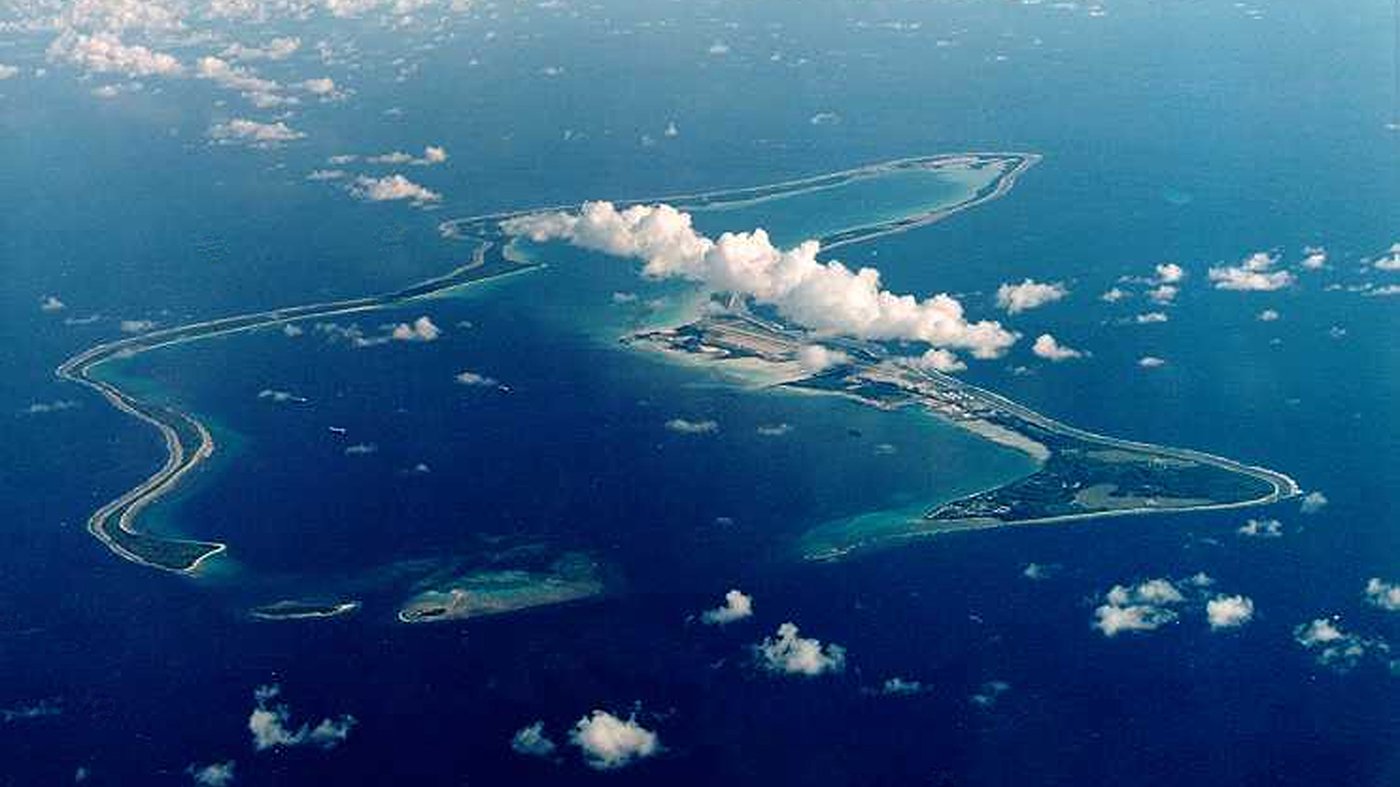
Central to the diplomatic impasse is the joint U.K.-U.S. military facility on Diego Garcia, the largest atoll in the Chagos chain. The base has served as a critical strategic asset for both nations since the 1970s, supporting operations across the Indian Ocean and Middle East. The original transfer agreement with Mauritius was explicitly conditioned on guaranteeing the base's continued operation, a provision now thrown into uncertainty.
In an official statement, the British government declared the agreement "permanently abandoned," stating it could not proceed without American backing. "Ensuring the Diego Garcia base's long-term operational security is and will continue to be our priority—it is the entire reason for the deal," the statement read. Officials added they are "continuing to engage with the U.S. and Mauritius" to determine a path forward.
Trump's Vocal Opposition and Broader Conflict
The transfer faced mounting jeopardy after Trump launched a public campaign against it earlier this year. In January, he labeled the deal a "great act of stupidity," followed by a February post on Truth Social demanding, "DO NOT GIVE AWAY DIEGO GARCIA!" His opposition became intertwined with the escalating U.S.-Israeli military confrontation with Iran that began in late February.
Trump explicitly linked the base to the conflict, warning on February 18 that if Iran did not halt its nuclear program, "it may be necessary for the United States to use Diego Garcia... in order to eradicate a potential attack." This stance put him at odds with the State Department, which had announced support for the U.K. transfer deal on the same day.
Strained Transatlantic Relations
British Prime Minister Keir Starmer initially responded to Trump's criticism by noting the president's "words on Chagos yesterday were different to his previous words of welcome and support" from their White House meeting. As tensions with Iran rose, Starmer temporarily paused U.S. use of British bases for forces involved in Operation Epic Fury, a decision Trump later disparaged.
"Well, it's a very late response, the U.K.," Trump told The Hill after Starmer reversed the pause. "I was surprised because the relationship is so good. But this has never happened before." He added criticism of the sovereignty transfer, saying, "They didn't want us to use the island—the so-called island—which for some reason they gave up rights to it." The former president's unconditional support from certain GOP figures has been tested by the fallout from such geopolitical maneuvers.
The conflict has driven up global energy prices, leading Starmer to draw a sharp political parallel. "I'm fed up with the fact that families across the country see their bills go up and down on energy, businesses' bills go up and down on energy, because of the actions of Putin or Trump across the world," he told ITV News, directly blaming both leaders for market volatility. This economic pressure adds another layer to the already complex domestic political calculations surrounding the Iran conflict.
The suspension of the Chagos transfer represents a significant setback for efforts to address colonial-era disputes and underscores how great-power politics and military strategy continue to dictate the fate of long-standing international agreements. The future of the Diego Garcia base, and sovereignty over the islands, now returns to a state of diplomatic limbo.