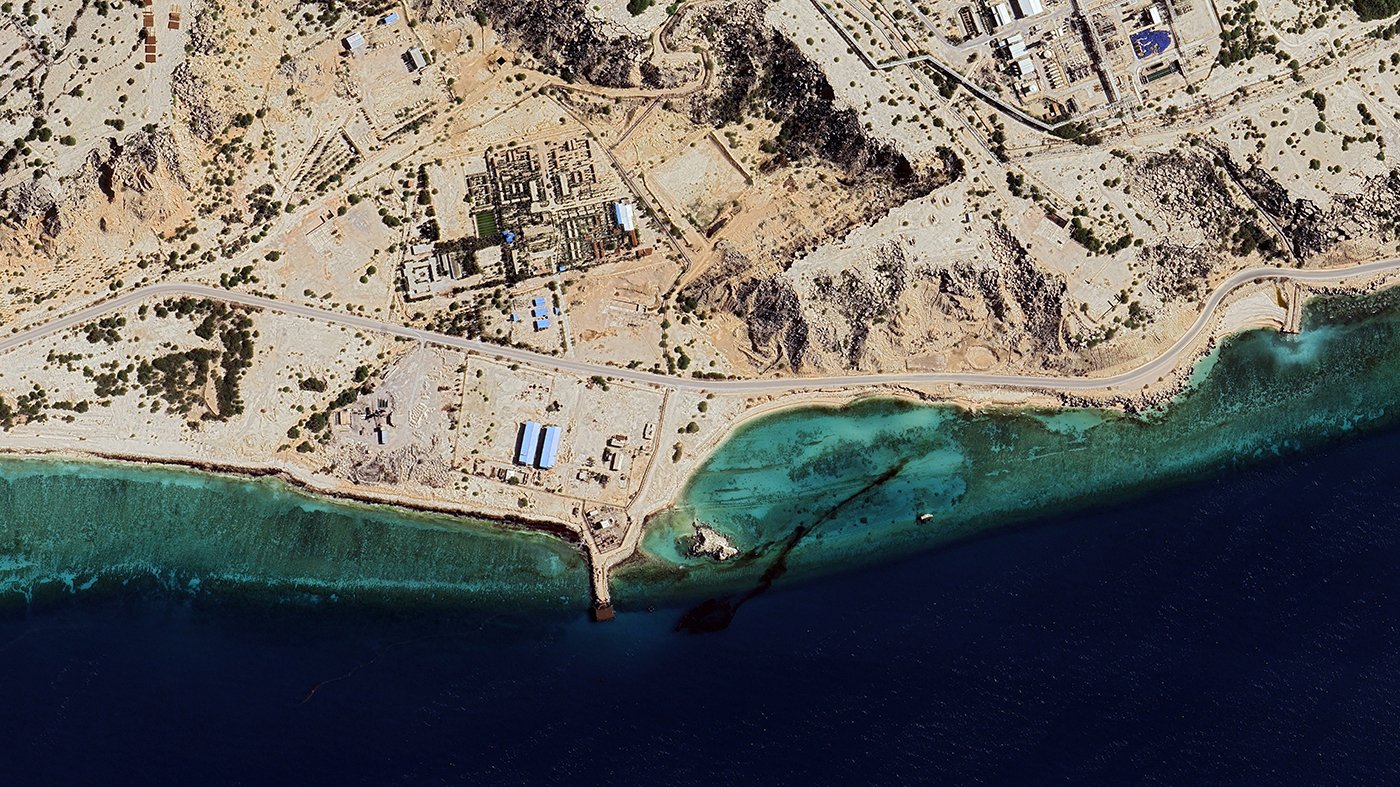
The United States military conducted overnight strikes against Iranian military installations on Kharg Island, a White House official confirmed Tuesday. This marks the second such attack on the strategic facility in recent weeks, dramatically escalating tensions hours before a presidential ultimatum to Iran expires.
Kharg Island serves as the central hub for Iran's oil exports, handling approximately 90 percent of the country's crude. According to an official briefing, the strikes targeted military bunkers, storage facilities, and other defense infrastructure on the northern side of the island, deliberately avoiding oil infrastructure. The operation involved no ground troops.
President Trump first announced strikes on the island last month, claiming on social media they constituted "one of the most powerful bombing raids in the History of the Middle East" and had "totally obliterated every MILITARY target in Iran's crown jewel." The official noted that some targets struck overnight were the same ones hit in the previous attack.
The renewed military action comes just hours before an 8 p.m. deadline set by Trump for Iran to "make a deal and reopen the Strait of Hormuz" or face intensified attacks. The president has issued grave warnings, stating that subsequent strikes would focus on bridges and power plants, threatening to send Iran back to the "Stone Ages." In a social media post Tuesday, he wrote, "a whole civilization will die tonight, never to be brought back again," while suggesting the possibility of "revolutionarily wonderful" regime change.
Escalating Rhetoric and Legal Concerns
Trump's rhetoric has sparked significant alarm among observers and lawmakers, with concerns mounting that proposed attacks on civilian infrastructure could violate international law, including the Geneva Conventions. This internal criticism is not isolated; figures like Tucker Carlson have publicly condemned the president's threats as extreme. Meanwhile, the administration's focus has shifted, with Trump stating Monday that reopening the vital Strait of Hormuz was a "very big priority," a stance underscored by his past floating of ideas like U.S. toll collection in the waterway.
The strait's closure, a result of the ongoing conflict now in its fifth week, has triggered a sharp rise in global energy prices. As of Tuesday morning, oil traded at $113.40 per barrel, a significant increase from the previous day. This economic pressure adds a critical financial dimension to the geopolitical standoff.
Domestic and Strategic Repercussions
The administration maintains that its primary objective of preventing a nuclear-armed Iran has been achieved. However, the move toward potentially broader conflict is meeting political resistance. Support among congressional Republicans appears to be wavering as the deadline approaches. Furthermore, the military escalation has prompted direct political backlash, including impeachment articles filed against Defense Secretary Hegseth related to the strikes.
The Pentagon's preparation for potential conflict has been marked by unusual secrecy, having abruptly canceled a high-stakes briefing for lawmakers just hours before the president's deadline. This move has fueled speculation about the scope of planned military action and the administration's willingness to engage Congress.
As the deadline passes, the world watches to see if Tehran will capitulate to U.S. demands or if the president will follow through on his threats of devastating escalation, a decision that could redefine the conflict and the region's stability for years to come.