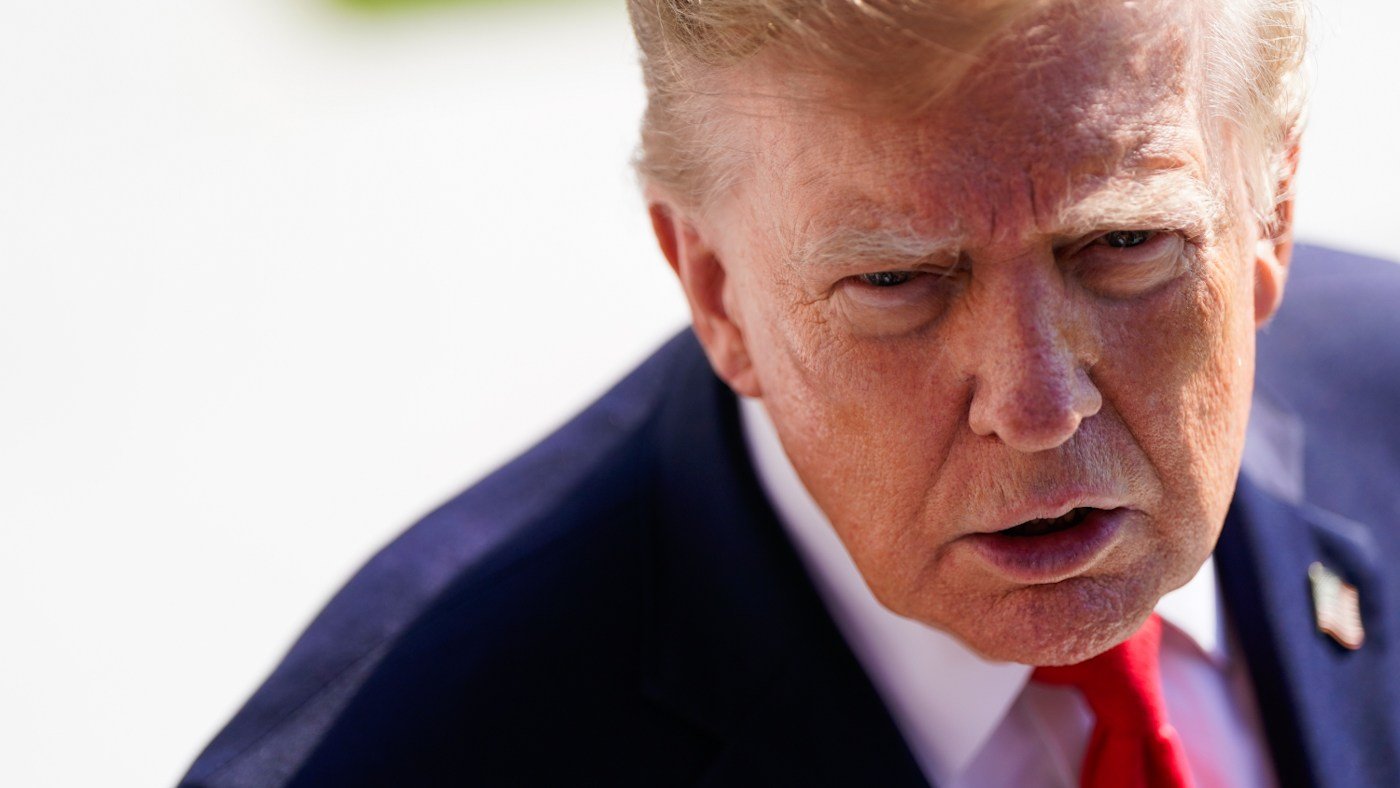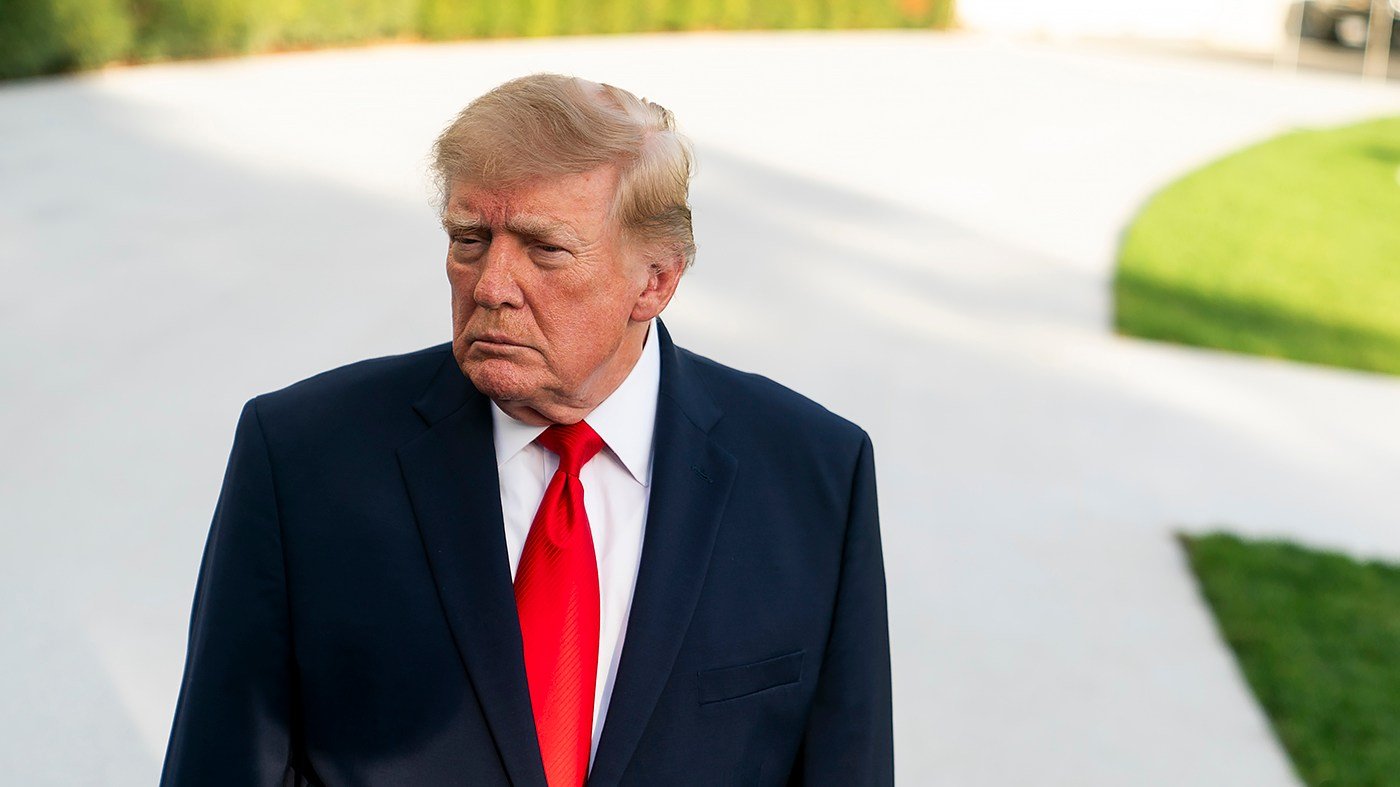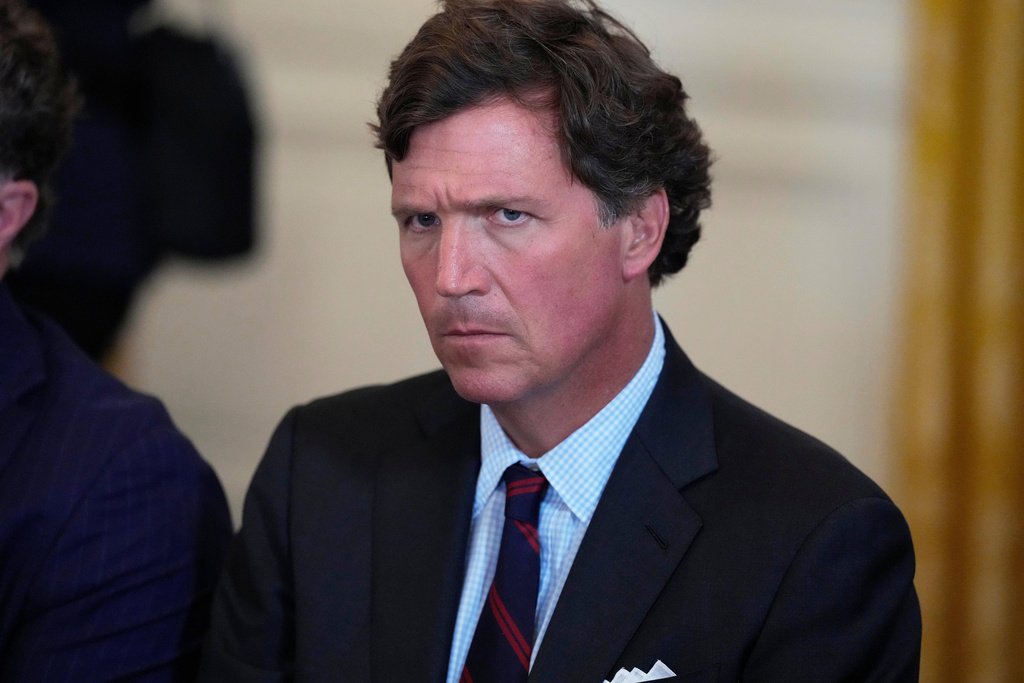
Conservative commentator Tucker Carlson delivered a scathing rebuke of President Trump on Monday, targeting a holiday social media post in which the president issued a crude ultimatum to Iran. Carlson, a vocal supporter of Trump's domestic agenda but a persistent critic of his military posture toward Iran, characterized the Easter morning message as profoundly offensive and indicative of dangerous presidential hubris.
A Holiday Ultimatum
On Easter Sunday, President Trump used his Truth Social platform to address the ongoing conflict with Iran, setting a stark deadline for a ceasefire agreement. His post threatened severe consequences for Iranian infrastructure, using explicit language and concluding with the phrase 'Praise be to Allah.' The message immediately drew fire for its timing, tone, and content, coming on a major Christian holiday while directly referencing Islamic faith.
Carlson's Sharp Critique
In response on his podcast and video show, Carlson did not mince words. 'Who do you think you are? You're tweeting out the F-word on Easter morning,' Carlson stated. He argued the post constituted a mockery of Iran's religion. 'No decent person mocks other people's religions,' Carlson said. 'To mock other people's faith is to mock the idea of faith itself.'
Carlson framed the incident as a fundamental breach of presidential conduct and American principle. 'No president should mock Islam. That's not your job. This is not a theocracy,' he asserted, warning against conflating state power with religious conflict. His most pointed criticism suggested the post revealed Trump's self-perception. 'The message of all faith... is you are not God. And only if you think you are, do you talk this way.'
Escalating Rhetoric and Deadline Pressure
The Easter post was part of a pattern of escalating rhetoric from the president. In a follow-up message early Tuesday, Trump warned that 'a whole civilization will die tonight, never to be brought back again' if Iran refused a deal, calling the deadline 'one of the most important moments in the long and complex history of the World.' This ominous ultimatum has heightened global tensions and raised serious questions about the potential scope of U.S. military action.
Trump's threats have included targeting civilian infrastructure like power plants and bridges, a strategy that has prompted war crime concerns from legal experts which the administration has dismissed. The president has also floated unconventional economic tactics, such as proposing U.S. toll collection in the Strait of Hormuz.
A Fracturing of Conservative Support
Carlson's condemnation signals a notable fracture within the pro-Trump media sphere. Once a steadfast campaign ally, Carlson has become increasingly vocal in his opposition to the administration's Iran policy since the war began. He and other right-wing figures have suggested the U.S. is being unduly influenced by allied interests in the region and have warned that attacking Iran would be a historic mistake.
This internal dissent is reflected in broader political unease, as Republican support for the conflict shows signs of wavering with the president's deadline looming. The administration's approach has created unusual alliances and divisions, distracting from other policy fronts, including recent actions on Title IX agreements.
The public clash between a president and one of his most influential media allies underscores the high-stakes pressure of the Iran crisis. As the deadline passed, the world watched to see if the president's threats would materialize into action, or if the blistering criticism from figures like Tucker Carlson represented a significant check on the administration's march toward a broader war.