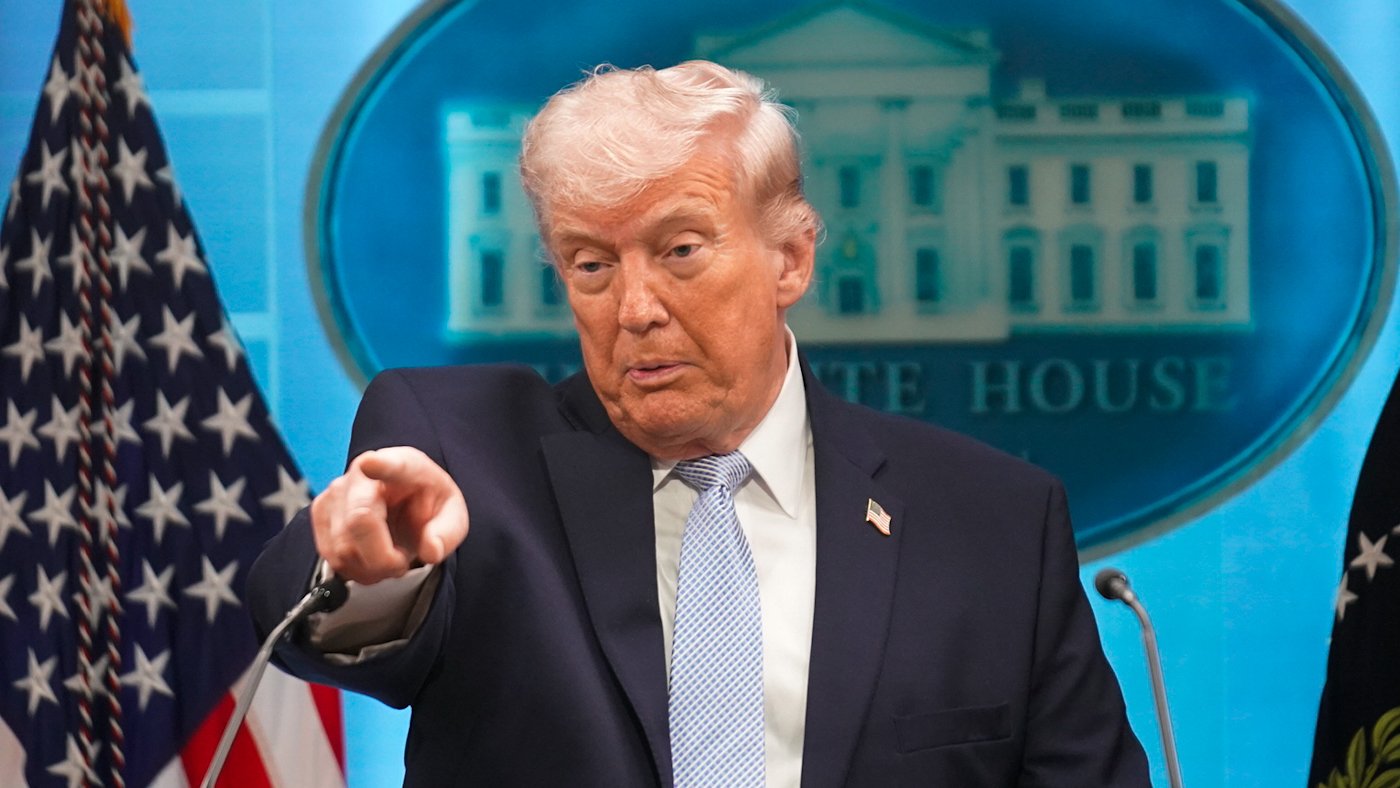
President Donald Trump raised the prospect on Monday of the United States imposing transit fees on commercial vessels navigating the Strait of Hormuz, a key global oil artery currently under de facto Iranian control. The suggestion came during a White House press conference where the President was questioned about ending the ongoing conflict while Iran continues to levy charges for passage.
When asked about the Iranian tolls, Trump responded, "What about us charging tolls?" He elaborated, stating, "I'd rather do that than let them have them. Why shouldn't we? We're the winner." The President asserted U.S. military dominance, claiming, "We won, OK? They are militarily defeated. The only thing they have is the psychology of 'oh, we're going to drop a couple of mines in the water.' We have a concept where we'll charge tolls."
This proposal marks a significant escalation in rhetoric, suggesting the U.S. might directly supplant Iran's revenue stream from the strait. Tehran has implemented a system allowing a limited number of ships through while demanding payment, leveraging its geographic position amid the war. The effective closure and restricted access have contributed to surging global energy prices, with the U.S. national average for gasoline exceeding $4.12 per gallon, an increase of more than one dollar since hostilities began.
However, the President's remarks contained a notable contradiction. In response to a separate question regarding conditions for a peace agreement, he insisted any deal must include "free traffic of oil." This creates ambiguity about whether the toll proposal is a serious policy consideration or a tactical bargaining position.
The strategic objective of such a U.S. move remains unclear. Implementing tolls could be framed as a method to recoup costs for securing the waterway or as a direct economic countermeasure against Iran. Analysts, like former NATO Supreme Allied Commander James Stavridis, have suggested Iran is using its control of the strait as a key bargaining chip, withholding a ceasefire to leverage both the shipping lane and its nuclear stockpile in negotiations.
The idea is likely to draw immediate criticism from allies and adversaries alike, potentially complicating diplomatic efforts. Former National Security Advisor John Bolton has previously criticized shifts in the administration's Iran deadlines as a sign of weakness, and a move to institute tolls could be viewed similarly as an unconventional and provocative economic measure. Furthermore, figures like Senator Bernie Sanders have demanded congressional action in response to previous presidential threats against Iran, indicating potential domestic political pushback.
The Strait of Hormuz is arguably the world's most important oil transit chokepoint, with about one-fifth of global petroleum consumption passing through it. Any sustained disruption or new financial burden on shipping would have immediate repercussions for international energy markets and the global economy. The region remains on high alert, with incidents like recent Israeli strikes on Iranian petrochemical facilities adding to the volatility as diplomatic deadlines loom.
For now, the proposal stands as a rhetorical gambit from the White House. Its feasibility under international law, the logistical challenges of enforcement, and the broader geopolitical fallout would present formidable obstacles to implementation. The statement primarily serves to underscore the administration's willingness to consider aggressive, unconventional economic tools in its ongoing confrontation with Tehran.