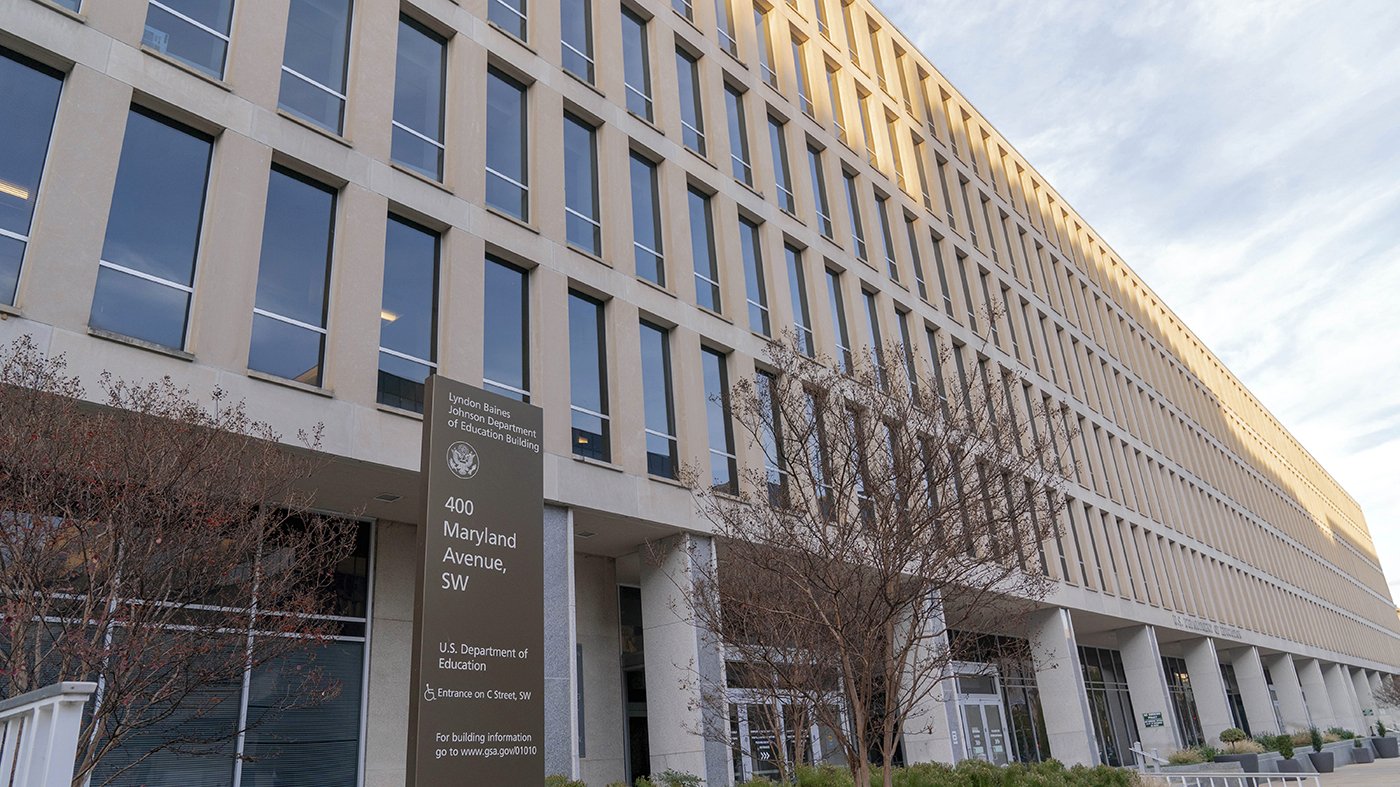
The U.S. Department of Education has formally rescinded Title IX settlement agreements with six school districts that were negotiated under previous administrations, marking a significant policy reversal on federal enforcement of gender identity protections in education.
In a statement released Monday, the department's Office for Civil Rights declared that enforcement actions taken by prior administrations concerning gender identity constituted "illegal and burdensome" overreach. The agency specifically cited investigations related to schools' use of preferred pronouns or inquiries about students' gender identities as examples of improper application of the 1972 civil rights law.

Administration's Legal Rationale
The Trump administration maintains that Title IX protections are based solely on biological sex, not gender identity. According to this interpretation, the six school districts did not violate federal law through their previous policies or practices concerning transgender students.
"Today, the Trump Administration is removing the unnecessary and unlawful burdens that prior Administrations imposed on schools in its relentless pursuit of a radical transgender agenda," said Assistant Secretary for Civil Rights Kimberly Richey. "While previous Administrations launched Title IX investigations based on 'misgendering,' the Trump Administration is investigating allegations of girls and women being injured by men on their sports team or feeling violated by men in their intimate spaces."
Practical Consequences for Schools
The cancellation of these agreements means the affected districts—Cape Henlopen School District (DE), Delaware Valley School District (PA), Fife School District (WA), La Mesa-Spring Valley School District (CA), Sacramento City Unified (CA), and Taft College (CA)—are no longer required to implement specific policy changes. These previously mandated measures included staff training on gender-based discrimination, instructions for using preferred names and pronouns for transgender students, and other compliance activities documented by The New York Times.
Richey added, "Today is yet another demonstration of the Trump Administration's commitment to uphold the law, protect our students, and restore common sense. No longer will the federal government force educational institutions to violate the law or punish them for upholding it."
Broader Policy Context
This action represents the latest development in the administration's systematic approach to transgender issues in education. The Education Department has pursued numerous investigations and policy actions against school districts, universities, and Democratic-led states that permit transgender individuals to participate on girls' sports teams or access facilities corresponding to their gender identity.
The move aligns with similar legislative efforts at the state level, such as the Idaho legislature's recent law criminalizing transgender bathroom use in private facilities. It also reflects broader international debates about transgender participation in sports, following the International Olympic Committee's implementation of genetic screening to bar transgender women from female competitions.
This policy shift occurs alongside other significant Education Department actions, including setting summer deadlines for borrowers to exit the SAVE repayment plan and plans to vacate its Washington D.C. headquarters following staff reductions. The administration has also launched civil rights investigations into several prominent medical schools, indicating a comprehensive reevaluation of federal education enforcement priorities.
The rescission of these agreements underscores the administration's commitment to reinterpreting Title IX through a narrower lens focused on biological sex distinctions, particularly in athletic contexts where the administration has emphasized protecting women's sports. This approach has generated significant controversy, with advocates for transgender students arguing it removes essential protections, while supporters contend it restores the law's original intent and reduces regulatory burdens on educational institutions.