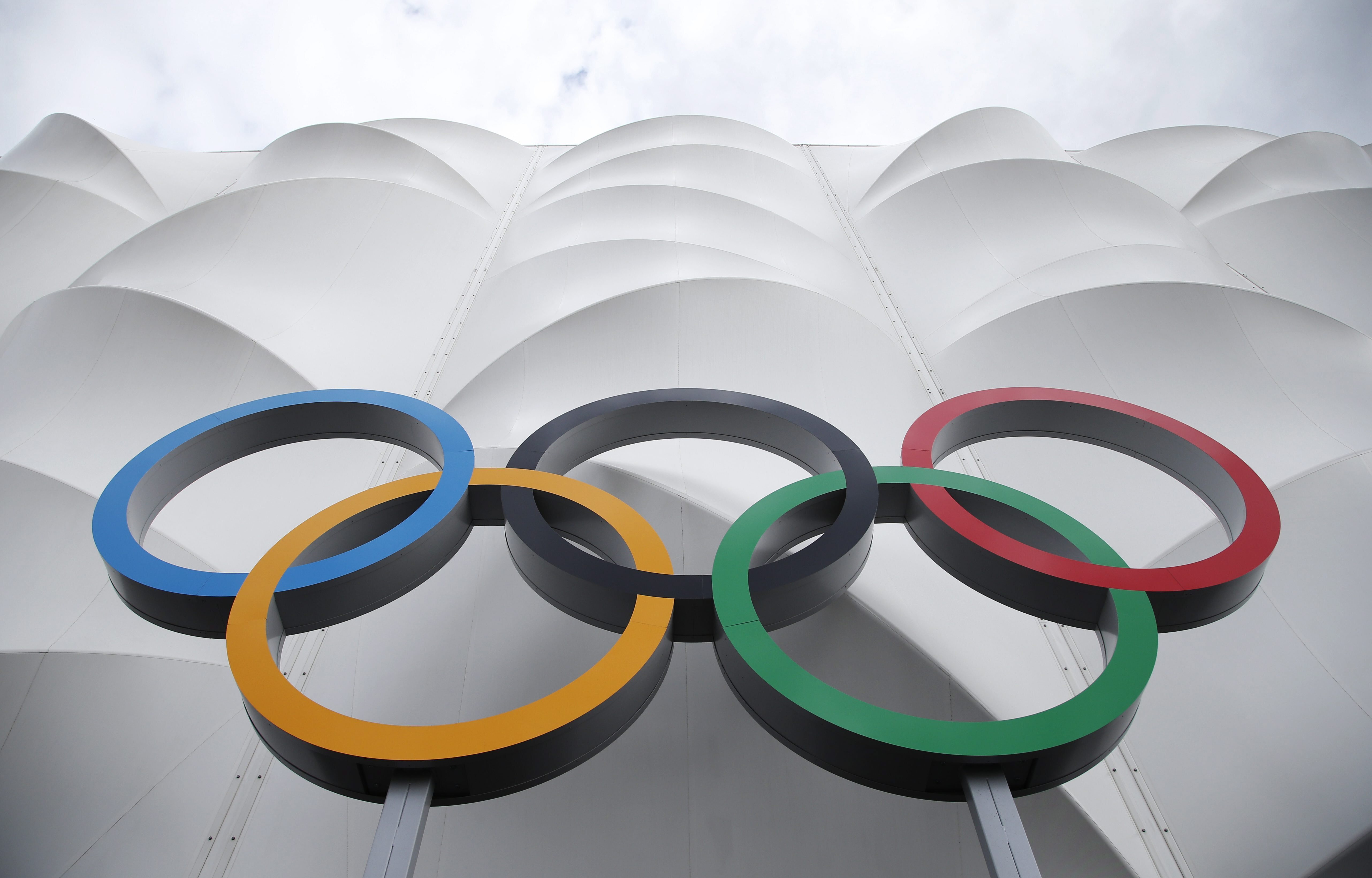
The International Olympic Committee unveiled a sweeping new eligibility framework on Thursday that will prohibit transgender women from competing in female categories at Olympic events, beginning with the 2028 Summer Games in Los Angeles. The policy marks a decisive shift toward defining competition categories strictly by biological sex, a move the IOC says is necessary to ensure fairness in women's sports.
Genetic Testing as the New Standard
Central to the new framework is mandatory screening for the SRY gene, which the committee describes as "a reliable proxy for determining biological sex." The gene is typically found on the Y chromosome. Athletes will be tested via saliva, cheek swab, or blood sample. Any athlete who tests positive for the SRY gene will be ineligible for competition in the female category at IOC-sanctioned events.
"As a former athlete, I passionately believe in the rights of all Olympians to take part in fair competition," IOC President Kirsty Coventry stated. "The policy that we have announced is based on science and has been led by medical experts." She emphasized the high stakes of Olympic competition, noting, "At the Olympic Games, even the smallest margins can be the difference between victory and defeat. So, it is absolutely clear that it would not be fair for biological males to compete in the female category. In addition, in some sports it would simply not be safe."
Scientific Rationale and Broader Impact
The policy was developed by the IOC's Working Group on the Protection of the Female Category, which concluded that being born male confers lasting physical advantages in sport. The committee stated the policy also considered "recent developments, including in international human rights law." This scientific and legal review process echoes the complex debates seen in other policy arenas, such as when congressional committees demand greater transparency on military operations, seeking clarity on foundational facts.
The ruling extends beyond transgender athletes to also restrict female athletes with Differences in Sex Development (DSD), who have naturally elevated testosterone levels. This directly affects prominent athletes like South African runner Caster Semenya. "I have carried this weight. So have other women of color who deserved better from sport," Semenya told The New York Times. "Reintroducing genetic screening is not progress — it is walking backward." She labeled the change "exclusion with a new name."
Political Context and Precedents
The IOC's announcement arrives amid a global debate over transgender participation in sports. Notably, the committee's statement did not reference a February 2025 executive order by President Trump that sought to ban transgender girls and women from school sports. The IOC's approach, framed as science-based, attempts to navigate a polarized political landscape where similar issues often become flashpoints, much like how partisan overhauls of government institutions can drive broader political conflicts.
The decision is likely to set a precedent for other international and national sports federations, potentially reshaping eligibility rules across countless competitions. It represents a significant rollback of more inclusive policies the IOC had previously explored, which relied on testosterone suppression over time.
Advocates for transgender athletes have condemned the policy as discriminatory and unscientific in its blanket application, arguing it ignores individual physiological variation. Meanwhile, proponents of the change argue it is a necessary step to preserve the integrity of women's sports, a category created to provide a fair competitive platform. The implementation of genetic screening revives a controversial practice largely abandoned in athletics decades ago due to ethical and scientific concerns.
The full ramifications will unfold as sports bodies and national Olympic committees adjust their own regulations to comply. The policy ensures that the intersection of sports, science, and human rights will remain a fiercely contested arena, reflecting broader societal divisions that extend into areas like healthcare policy and legislative action.