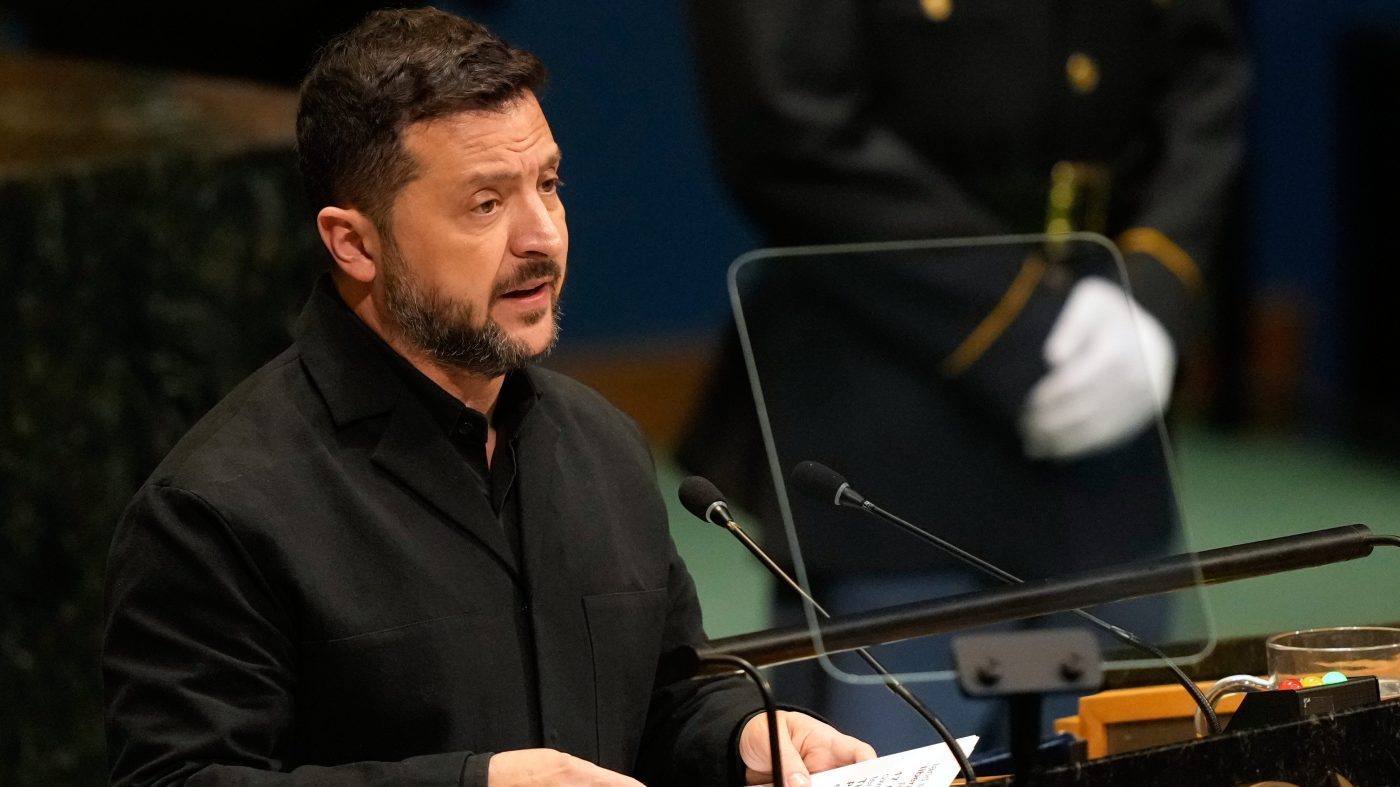
The chairman of the House Armed Services Committee, Representative Mike Rogers, publicly criticized the Pentagon on Wednesday for failing to provide Congress with adequate information about the ongoing U.S. military campaign against Iran. The Alabama Republican's remarks followed classified briefings for congressional defense panels as the operation, now in its second month, continues to escalate.
Lawmakers Demand Clarity on Strategy
"We want to know more about what's going on, what the options are and why they're being considered," Rogers told reporters after emerging from a closed-door session with senior defense officials. "And we're just not getting enough answers on those questions." His frustration reflects a broader bipartisan concern on Capitol Hill about the administration's strategic objectives and the potential for a significant expansion of the conflict.
The briefings were conducted by a team of senior Pentagon and intelligence officials, including Assistant Secretary of Defense for International Security Affairs Daniel Zimmerman and key figures from special operations and defense intelligence. The sessions occurred as the Pentagon prepares to deploy approximately 2,000 additional troops from the 82nd Airborne Division to the region, where over 50,000 U.S. service members are already stationed.
Mounting Casualties and Operational Claims
U.S. Central Command provided updated casualty figures, confirming seven service members killed in direct Iranian retaliation since the operation, codenamed "Epic Fury," began last month. An additional six died in a March 12 refueling aircraft crash in Iraq. A Centcom spokesperson stated that 290 troops have been wounded since the initial strikes on February 28, though the vast majority were minor injuries with more than 255 personnel having returned to duty.
In a video update, Centcom Commander Admiral Brad Cooper claimed significant degradation of Iranian military capabilities. He stated U.S. forces have struck over 10,000 targets, destroyed 92 percent of the Iranian Navy's largest vessels, and reduced Iran's drone and missile launch rates by more than 90 percent. Despite these assertions of tactical success, the White House's declaration of victory stands in stark contrast to Tehran's continued rejection of American ceasefire terms.
Ground Operation Fears Unaddressed
A primary concern for lawmakers remains the potential for a U.S. ground invasion of Iran. Senator Tim Kaine, a Democratic member of the Senate Armed Services Committee, said the briefings did not leave him "feel better informed" about that possibility. The anxiety is shared across the aisle, with Representative Nancy Mace posting on social media that she "will not support troops on the ground in Iran, even more so after this briefing."
The prospect of a ground campaign carries profound regional implications, including potential retaliation against global shipping lanes. Iran has explicitly warned it could create a new maritime chokepoint in the Red Sea if the U.S. launches a ground operation, a threat that would severely disrupt energy markets and international trade.
The congressional discontent over information sharing comes amid other signs of strain within the Republican conference on national security matters. While some members push for a more aggressive posture, GOP unity has shown fractures over Department of Homeland Security funding strategies, complicating the legislative landscape for defense appropriations.
As the conflict approaches a critical juncture, the gap between the administration's operational reporting and congressional demands for strategic transparency appears to be widening. Rogers's public critique signals that oversight committees intend to apply more pressure for detailed explanations of long-term goals, costs, and exit strategies before any further escalation.