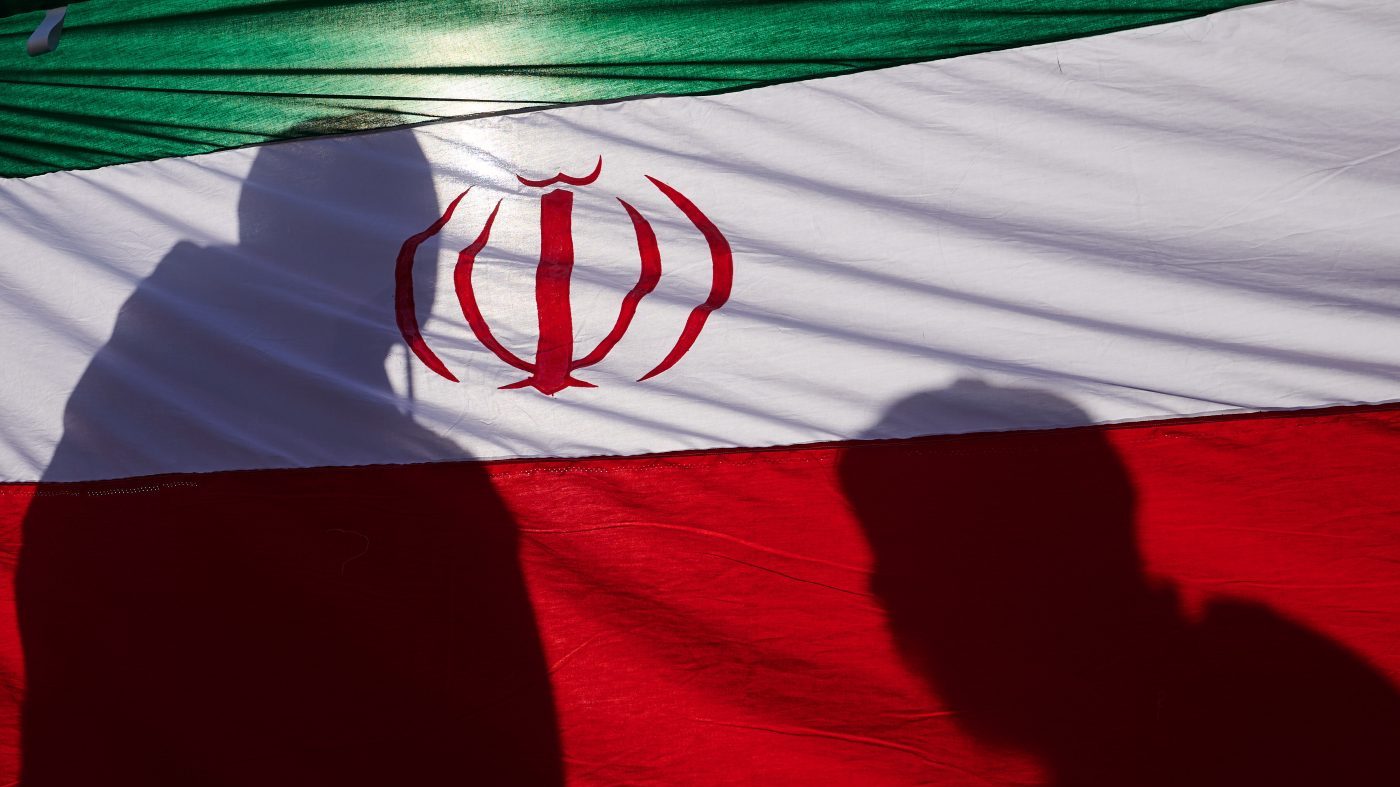
Iran issued a stark warning on Wednesday, threatening to jeopardize maritime traffic through a critical Red Sea passageway should the United States initiate ground operations against Iranian territory. The threat marks a significant escalation in Tehran's rhetoric and outlines a strategy to broaden any potential conflict beyond the Persian Gulf.
A military source speaking to Iran's Tasnim News Agency stated that Iranian forces are closely monitoring U.S. preparations. "If the enemy wants to take action on land in the Iranian islands or anywhere else in our lands or to inflict costs on Iran with naval movements in the Persian Gulf and the Sea of Oman, we will open other fronts for them as a surprise," the source said. The official warned this would not only negate any U.S. advantage but would "double their costs."
Targeting a Vital Alternate Route
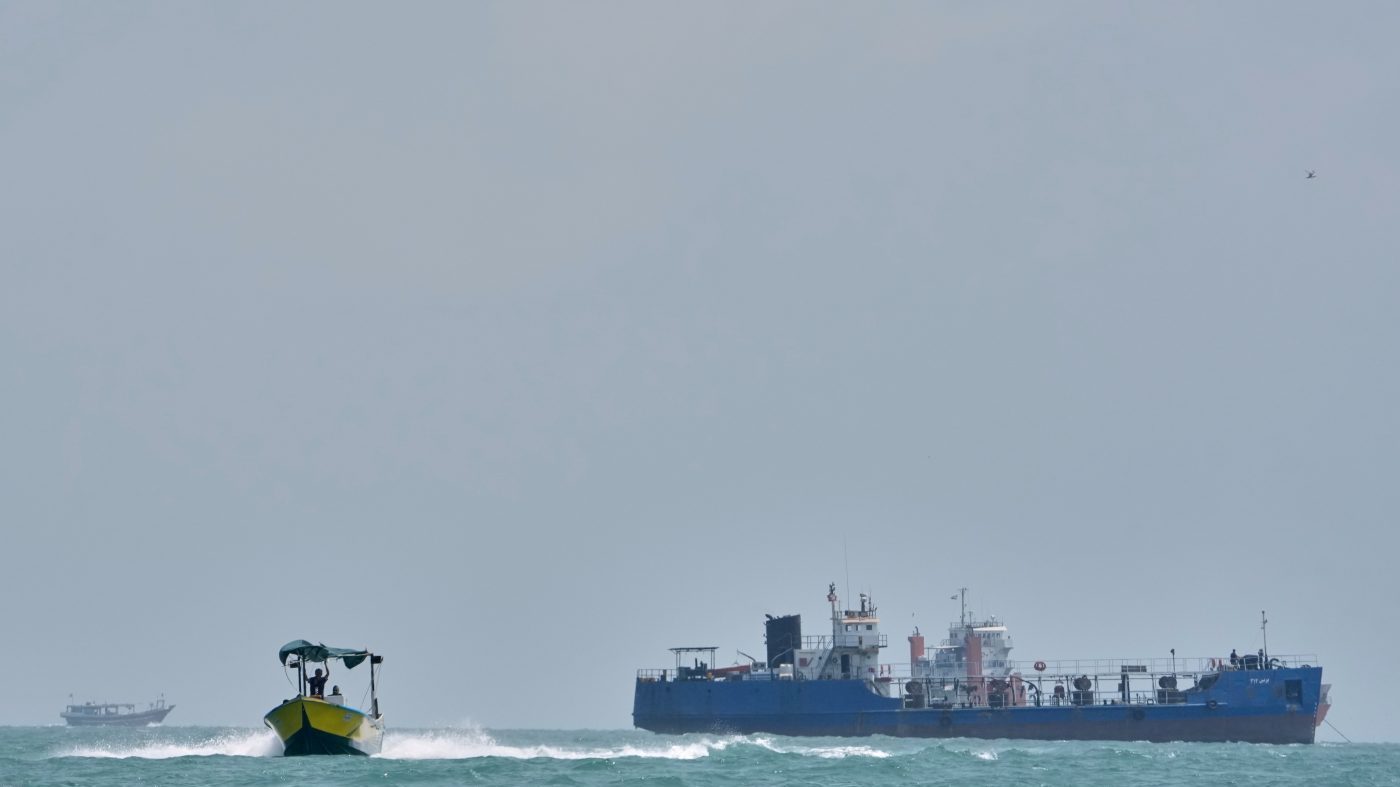
The specific location cited for this new threat is the Bab el-Mandeb strait, a narrow chokepoint approximately 1,200 miles from the Strait of Hormuz that separates Yemen from Djibouti and Eritrea. It serves as a gateway to the Suez Canal and handles roughly 10% of global seaborne trade. With the primary route through the Strait of Hormuz currently closed, some shipping companies have considered Bab el-Mandeb as an alternate pathway for oil exports, making it a strategically valuable pressure point.
The Tasnim source explicitly linked the threat to U.S. actions concerning the Strait of Hormuz, a waterway over which Iran has recently demanded formal control. "Therefore, if the Americans want to think of a solution for the Strait of Hormuz with stupid measures, they should be careful not to add another strait to their problems and predicaments," the person added, claiming Tehran has the capability to create a "completely credible threat" against vessels there.
Proxy Forces on Standby
Military analysts assess that any action against shipping in the Bab el-Mandeb would likely be carried out by Iran's network of regional proxies, rather than by Iranian forces directly. The Houthi movement in Yemen, which is backed by Iran's Islamic Revolutionary Guard Corps, is seen as the most probable actor. The Houthis have a history of maritime attacks, having fired anti-ship missiles at U.S. Navy vessels in the area in 2023 and 2024.
This threat emerges against a backdrop of failed diplomatic efforts. The Trump administration has proposed a 15-point ceasefire plan aimed at curtailing Iran's ballistic missile and nuclear programs in exchange for sanctions relief. Leaders in Tehran have flatly rejected the proposal, insisting the conflict will end only on their terms. Iran has submitted a counterproposal demanding war reparations, a cessation of U.S. and Israeli "aggression," and guarantees against a future war.
The potential for a widened conflict is already causing strategic calculations in Washington, where some lawmakers, like Representative Nancy Mace, have threatened to block substantial war funding over the deployment of ground troops. Meanwhile, the volatility has tangible economic consequences; previous disruptions in the Strait of Hormuz have led to sharp increases in U.S. gasoline prices, and a new front in the Red Sea would further destabilize global energy markets.
Iran's latest warning represents a calculated attempt to deter a U.S. ground invasion by threatening global commerce far from its shores. It signals a readiness to leverage proxy forces to turn a regional confrontation into a multi-theater challenge, directly targeting the world's economic arteries. As one military official bluntly told Tasnim, the goal is to ensure any American action results in disproportionate and escalating costs.