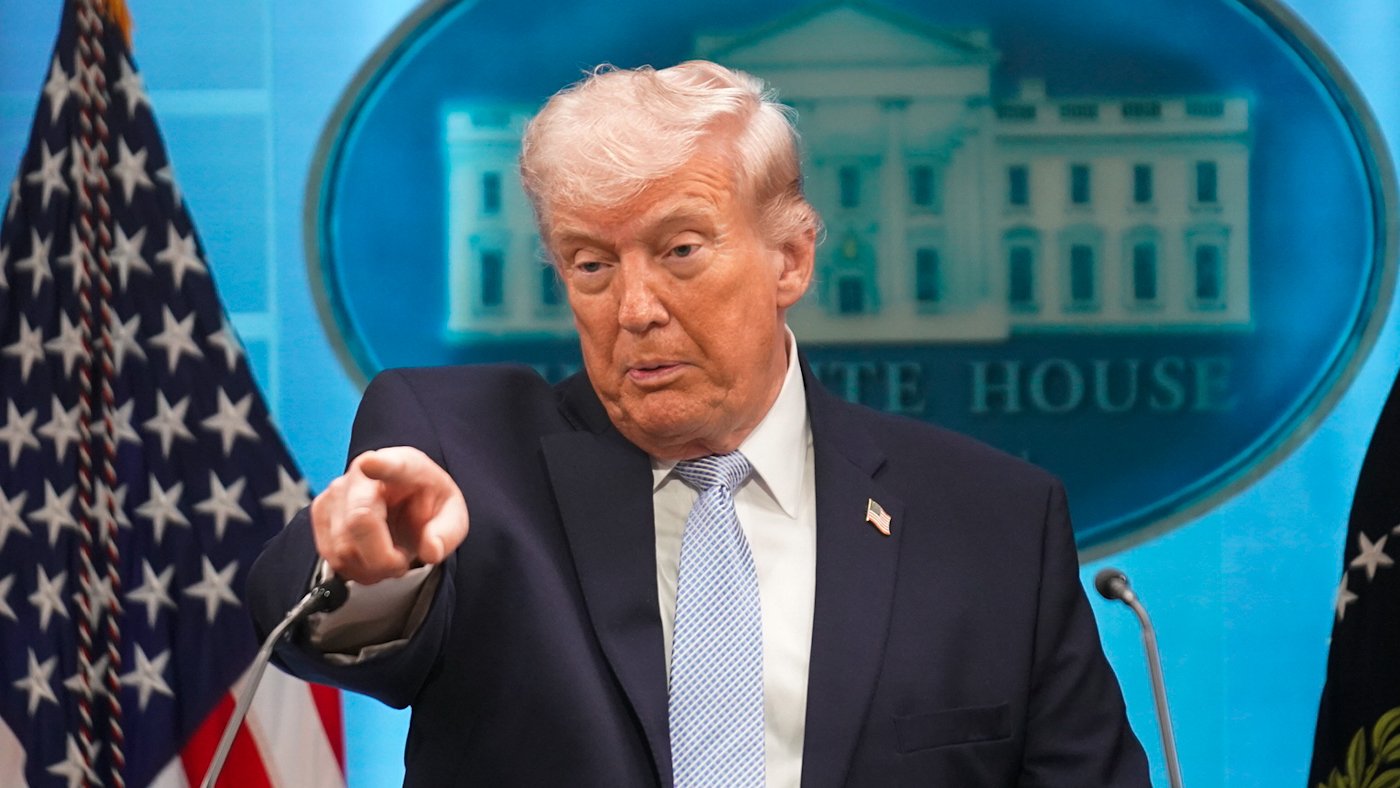
President Donald Trump on Monday dismissed questions about whether U.S. military strikes on Iranian civilian infrastructure would constitute war crimes, defending his threats against the Islamic Republic while rejecting a multinational ceasefire proposal.
During a White House press briefing, Trump was asked directly by a reporter if he was concerned that following through on his public threats to bomb Iranian power plants and bridges would violate international laws of armed conflict. "No, not at all," the president responded, before criticizing the news outlet that posed the question.
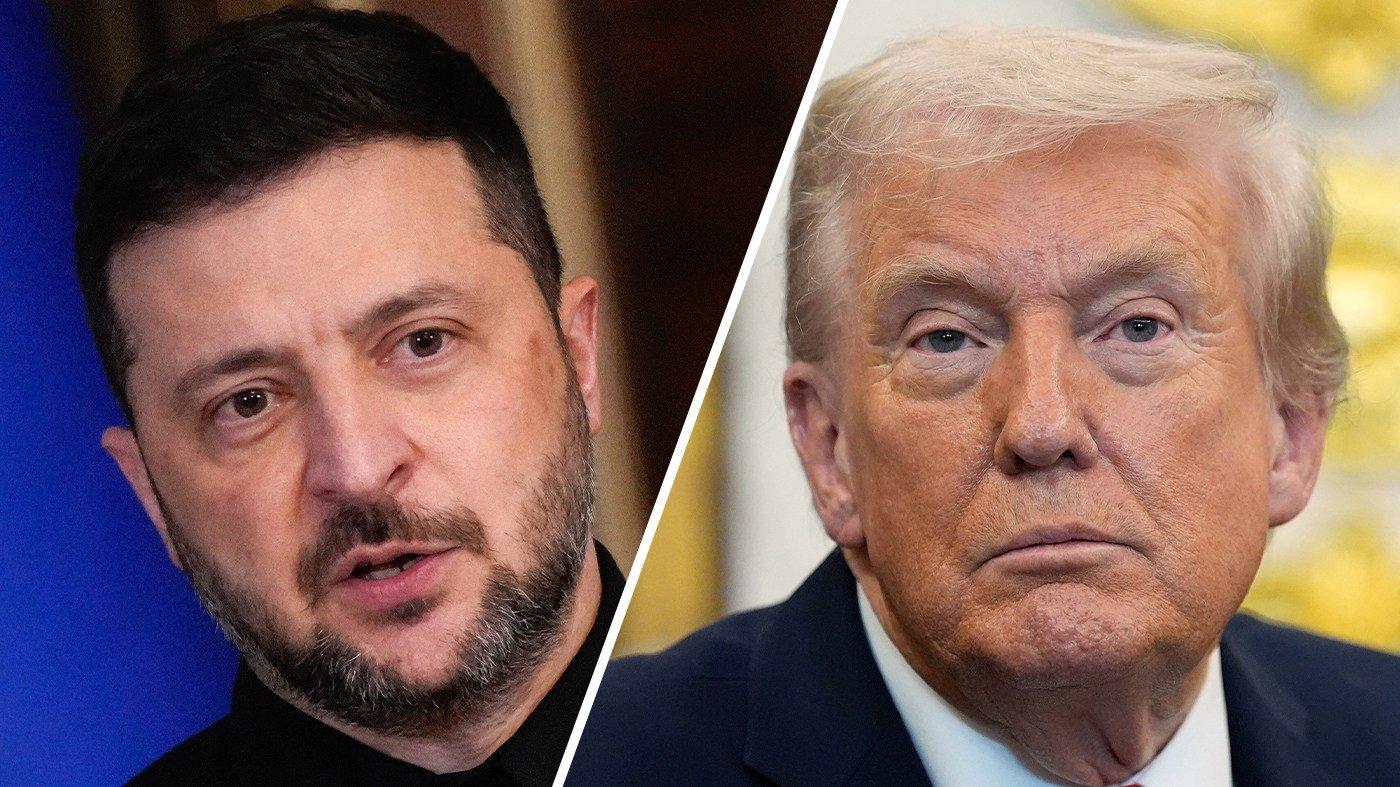
"I hope I don't have to do it," Trump continued, referencing the potential strikes. He framed the confrontation as the result of decades of failed diplomacy, stating, "Forty-seven years they've been negotiating with these people. They're great negotiators." The president vowed that Iran would not obtain nuclear weapons, warning that future "weak and ineffective" leadership might allow it.
Earlier in the day, at the White House Easter Egg Roll, Trump was pressed multiple times on the same issue. He justified the threatened action by accusing the Iranian regime of killing tens of thousands of its own people. "They kill protesters. They're animals, and we have to stop them, and we can't let them have a nuclear weapon. It's very simple," he stated.
Legal Warnings and Regional Diplomacy
The president's comments follow his Sunday threat to strike Iranian bridges and power plants if Tehran does not open the strategic Strait of Hormuz. This threat has drawn sharp rebukes from legal experts. More than 100 international law scholars in the United States recently signed an open letter warning that such strikes on energy infrastructure and other civilian targets could be deemed war crimes under international law.
This controversy unfolds against a backdrop of existing military tension. The U.S. is already facing international backlash and an internal military investigation over a missile strike that hit an Iranian elementary school, killing at least 175 people, most of them children. A preliminary investigation has found the U.S. responsible for the strike.
Regional powers have attempted to mediate the crisis. Egypt, Pakistan, and Turkey presented a joint ceasefire proposal to both Washington and Tehran, calling for a 45-day halt in hostilities and the opening of the Strait of Hormuz. While Trump acknowledged the proposal was "significant," he told reporters it was ultimately insufficient. This stance aligns with his administration's pattern of maintaining maximum pressure, a strategy that has included floating the idea of U.S. toll collection in the Strait of Hormuz.
Broader Political Context
The president's aggressive posture has sparked criticism from both foreign policy veterans and political opponents. Former National Security Advisor John Bolton has publicly criticized Trump's shifting deadlines on Iran as a sign of weakness. Meanwhile, progressive lawmakers like Senator Bernie Sanders have demanded congressional action to check the president's authority following his provocative threats.
The administration's focus on Iran comes amid a series of contentious domestic policy moves, including efforts to nullify Title IX gender identity agreements with several school districts. As the 2024 election cycle intensifies, Trump's handling of the Iran crisis is likely to remain a central flashpoint in debates over national security, executive power, and America's role in enforcing international norms.