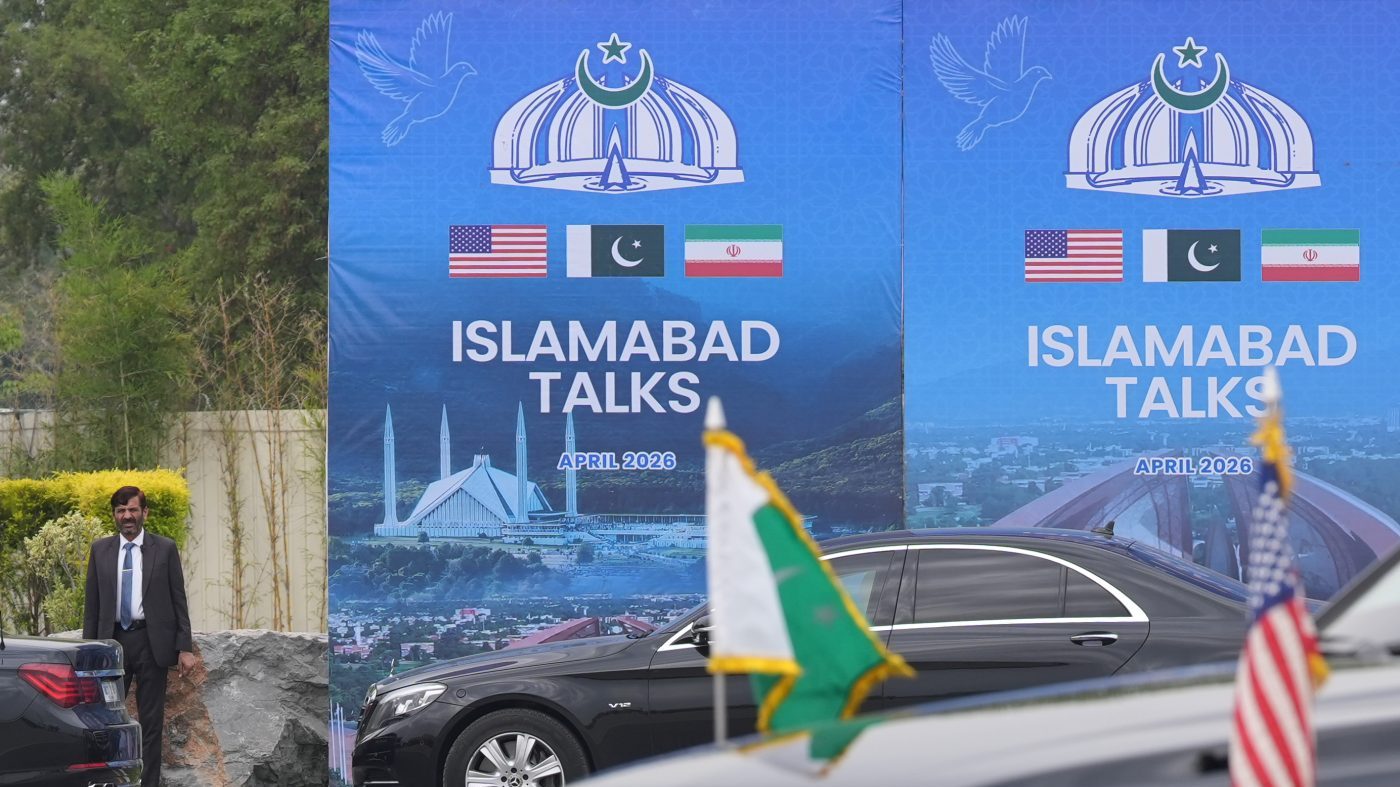
For the first time since the 1979 Islamic Revolution, senior officials from the United States and Iran have convened for direct, face-to-face negotiations. The historic meeting is taking place in Islamabad, Pakistan, with the immediate goal of solidifying a fragile two-week ceasefire in a conflict that has raged for six weeks. The White House confirmed the unprecedented diplomatic engagement on Saturday.
A High-Stakes Diplomatic Gambit
The talks represent a critical test for a temporary truce that both Washington and Tehran claim the other is already violating. The ceasefire, reached earlier this week, faces immediate pressure over disputes concerning Israeli military actions in Lebanon and the status of the strategic Strait of Hormuz. The negotiations follow a pattern of fragile diplomatic maneuvering that has characterized the recent escalation.
Vice President Vance leads the American delegation, which includes Special Middle East Envoy Steve Witkoff, Senior Advisor Jared Kushner, Deputy National Security Adviser Dr. Andrew Baker, and Michael Vance, the Vice President's special adviser for Asian affairs. A U.S. official stated that a “full suite” of subject-matter experts is also supporting the team on the ground in Pakistan.
Iran is represented by Parliament Speaker Mohammad Bagher Qalibaf and Foreign Minister Abbas Araghchi. Pakistani Prime Minister Shehbaz Sharif is mediating the trilateral discussions.
Preconditions and Public Posturing
Even as talks commenced, both sides laid down markers. Speaker Qalibaf declared on Friday that Iran would not negotiate unless attacks in Lebanon ceased and frozen Iranian assets were released—two key demands from Tehran's broader peace proposal. This stance echoes preconditions Iran has publicly emphasized in recent days.
Vice President Vance struck a cautiously optimistic tone ahead of the meetings, telling reporters the U.S. team had “pretty clear guidelines” from President Trump. “As the president of the United States said, if the Iranians are willing to negotiate in good faith, we’re certainly willing to extend the open hand,” Vance said. “If they’re going to try to play us, then they’re going to find the negotiating team is not that receptive.”
President Trump himself expressed uncertainty about the outcome. In a call with NewsNation on Saturday, when asked if he believed Tehran was negotiating in good faith, Trump replied, “I have no idea” how the talks would proceed, adding, “I’ll let you know that in a very short period of time. Won’t take long.” This follows a series of public threats from the President regarding military options.
A Decades-Long Diplomatic Deep Freeze
The Islamabad meeting breaks a 45-year hiatus in direct bilateral talks, a period defined by profound hostility following the revolution that overthrew the Western-backed Shah. All diplomatic and economic relations were severed, and subsequent negotiations on issues like Iran's nuclear program have been conducted exclusively through intermediaries or in multilateral formats, often stalling over fundamental disagreements.
The immediate context for the talks is a volatile military situation. The temporary ceasefire, a diplomatic reprieve from open conflict, remains on what officials describe as “shaky ground.” The success or failure of these direct discussions will have immediate ramifications for regional stability and global energy markets, with potential impacts already being felt, as seen in plummeting U.S. consumer confidence linked to the crisis.
The world now watches to see if this historic diplomatic channel can achieve what decades of indirect communication could not: a durable de-escalation between two long-standing adversaries.