Historic Drop in Economic Sentiment
A key gauge of American economic optimism has fallen to its lowest point ever recorded, according to the latest University of Michigan survey. The Consumer Sentiment Index plunged nearly 11 percent in April, continuing a sharp decline that began in late February. This marks the most pessimistic reading since the survey's inception, with sentiment now 9 percent lower than it was at this time last year.
Conflict Drives Economic Anxiety
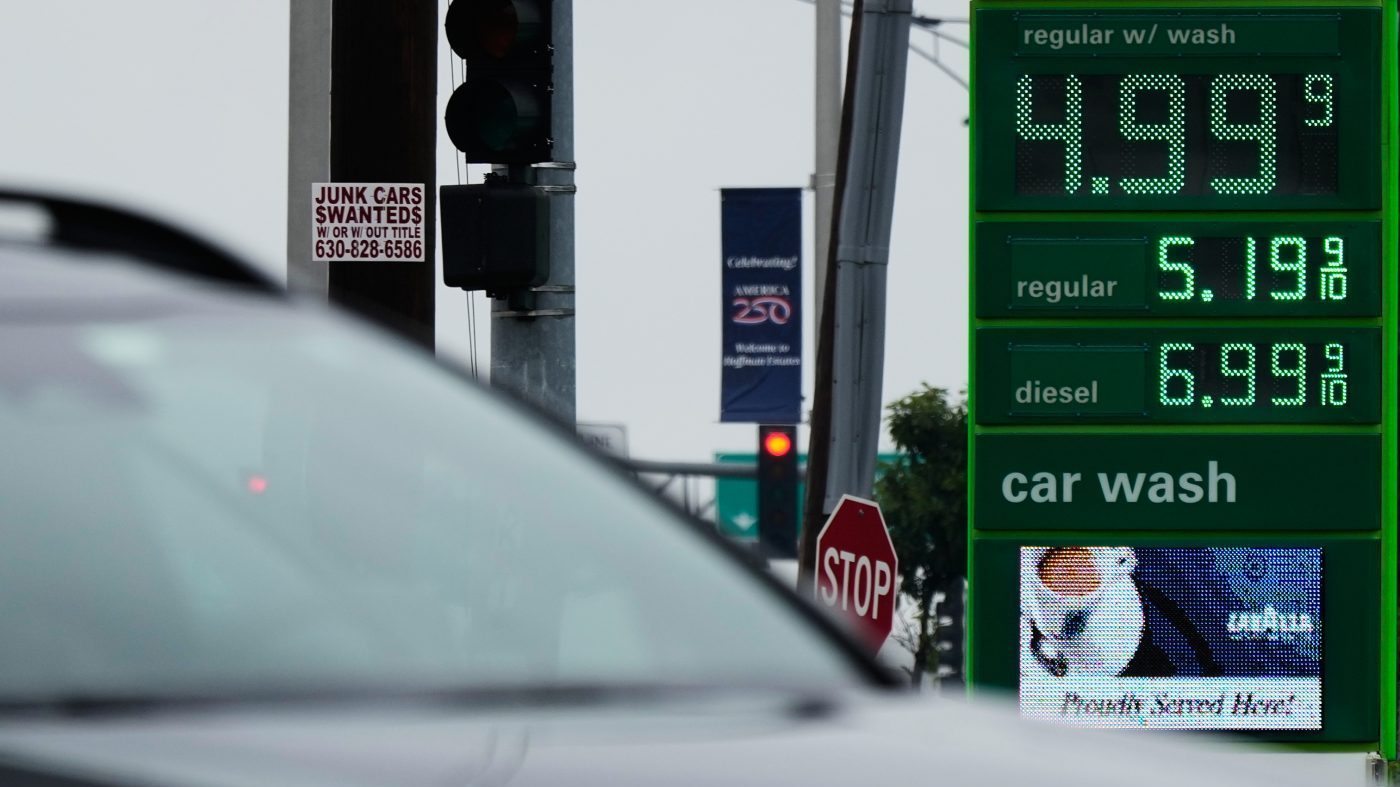
The dramatic downturn is directly linked to the joint U.S. and Israeli military campaign against Iran that commenced on February 28. The more than 40-day conflict triggered the closure of the Strait of Hormuz, a critical maritime chokepoint for global oil shipments. The resulting supply disruption has worsened financial markets and sent gasoline prices soaring worldwide, severely impacting household economic outlooks.
Survey Director Joanne Hsu noted the data was collected before President Trump announced a two-week ceasefire deal with Iran on Tuesday. That agreement has already sparked a rally in stock markets and is expected to ease pressure on fuel costs. However, significant uncertainty remains over whether Iran will permit tanker traffic to resume through the Strait, given ongoing regional tensions, including Israel's continued strikes against Hezbollah targets in Lebanon.
Widespread Pessimism Across Demographics
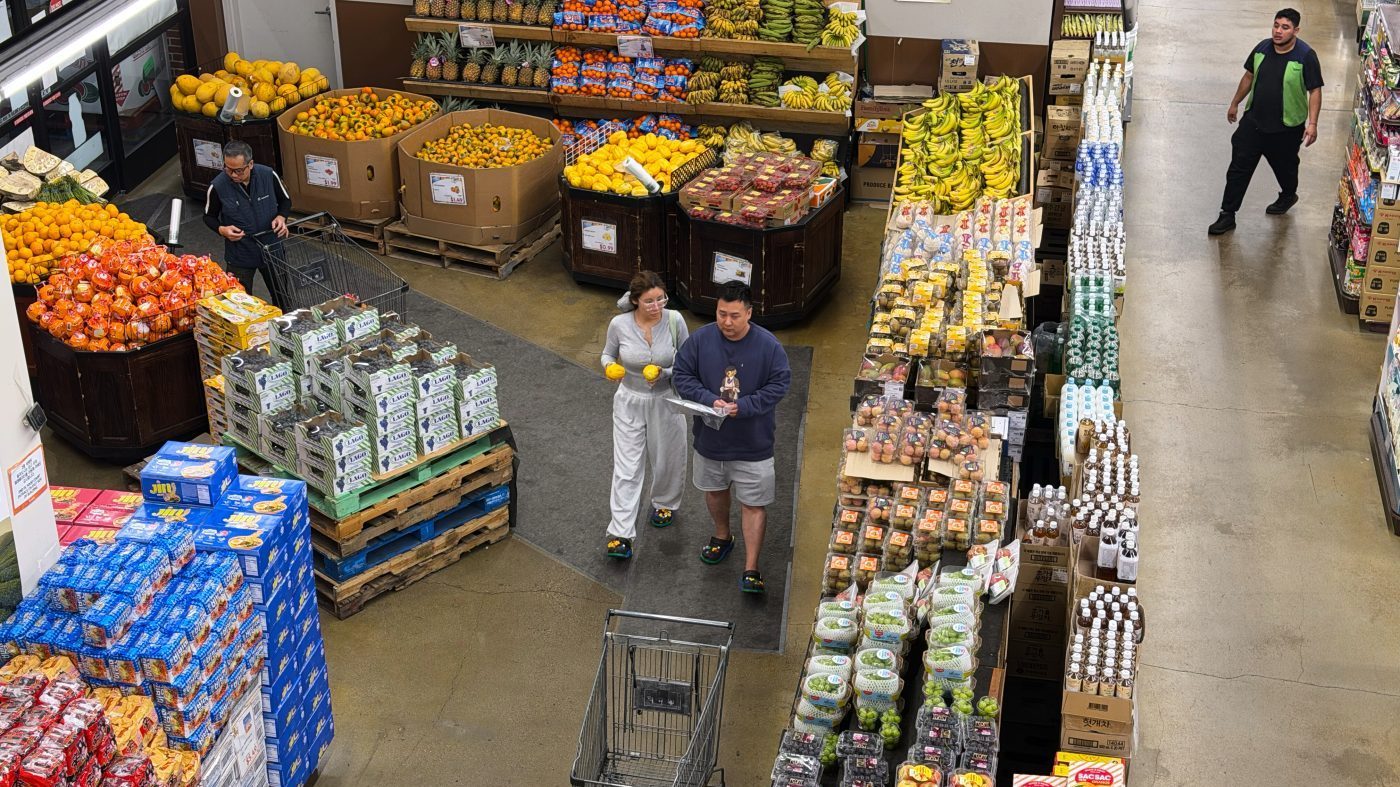
The survey revealed a broad-based collapse in confidence that cut across all measured demographics—age, income, and political affiliation. "Reflecting the widespread nature of this month's fall," the report stated, concerns over high prices and declining asset values surged substantially. Consumers' assessment of their current personal finances deteriorated by 11 percent.
Forward-looking expectations suffered an even steeper decline. Confidence in business conditions one year from now plummeted by 20 percent, a 6 percent deeper drop compared to April of last year. This suggests a growing belief that current economic headwinds are not transient.
Inflation Fears Intensify
The percentage of consumers anticipating a surge in inflation over the next year jumped from 3.8 percent in March to 4.8 percent in April. Respondents who expected higher prices frequently cited the conflict in Iran as the cause of "unfavorable changes to the economy." The direct link between geopolitical instability and domestic cost-of-living concerns has become a central feature of consumer anxiety.
President Trump addressed the issue on his Truth Social platform, stating, "Iran is doing a very poor job, dishonorable some would say, of allowing Oil to go through the Strait of Hormuz." The administration's ceasefire is a clear attempt to stabilize energy markets, but its durability is in question. Iran has warned that U.S. ceasefire efforts are 'meaningless' if Israeli operations in Lebanon continue, highlighting the fragile interconnectivity of the conflicts.
Path to Recovery Hinges on Stability
In her analysis, Director Hsu offered a conditional outlook for improvement. "Economic expectations will likely improve after consumers gain confidence that the supply disruptions stemming from the Iran conflict have ended and gas prices have moderated," she wrote. This underscores that the restoration of consumer confidence is now inextricably tied to diplomatic and military outcomes in the Middle East.
The situation remains volatile. While the U.S.-Iran ceasefire provides a temporary off-ramp, parallel crises threaten to undermine it. Lebanon has filed a formal UN complaint over Israeli strikes, and European allies like Spain are pushing for consequences, demanding EU sanctions on Israel citing violations of international law. For American consumers, the road to economic optimism now runs through the Strait of Hormuz.