Iran has declared it will not engage in diplomatic talks with the United States unless two specific conditions are met: a cessation of Israeli military action in Lebanon and the release of billions in frozen Iranian assets held abroad. The ultimatum, delivered by the speaker of Iran's parliament, Mohammad-Bagher Ghalibaf, on social media platform X, casts immediate doubt on the viability of scheduled high-level negotiations between the two nations.
Preconditions for Diplomacy
Ghalibaf asserted that these two measures were previously "mutually agreed upon" but remain unimplemented. "These two matters must be fulfilled before negotiations begin," he wrote, framing them as essential prerequisites. This stance directly challenges the Trump administration's position, which has dismissed Iranian claims that a fragile bilateral ceasefire agreement, implemented this past Tuesday, extends to the conflict in Lebanon.
The current tensions stem from a joint U.S.-Israeli military operation on February 28, which prompted Iran to retaliate by closing the strategic Strait of Hormuz and targeting Gulf allies. Both Washington and Tehran have since accused the other of violating the terms of the subsequent pause in hostilities. The U.S. has specifically rejected Iran's interpretation of the deal's geographic scope.
Accusations of Violations
In a post on Wednesday, Ghalibaf escalated his criticism, accusing the U.S. of violating three clauses of a ten-point Iranian proposal even before formal talks could start. He cited ongoing Israeli attacks in Lebanon, an alleged drone incursion into Iranian airspace, and efforts to block Iran's uranium enrichment program. "Now, the very 'workable basis on which to negotiate' has been openly and clearly violated," Ghalibaf wrote, quoting White House Press Secretary Karoline Leavitt's description of the Iranian plan.
The diplomatic standoff unfolds as a U.S. delegation, led by Vice President Vance and including special envoy Steve Witkoff and Jared Kushner, is scheduled to meet with Iranian officials in Islamabad, Pakistan, on Saturday. The Iranian preconditions threaten to derail these already precarious negotiations before they begin.
Escalating Violence in Lebanon
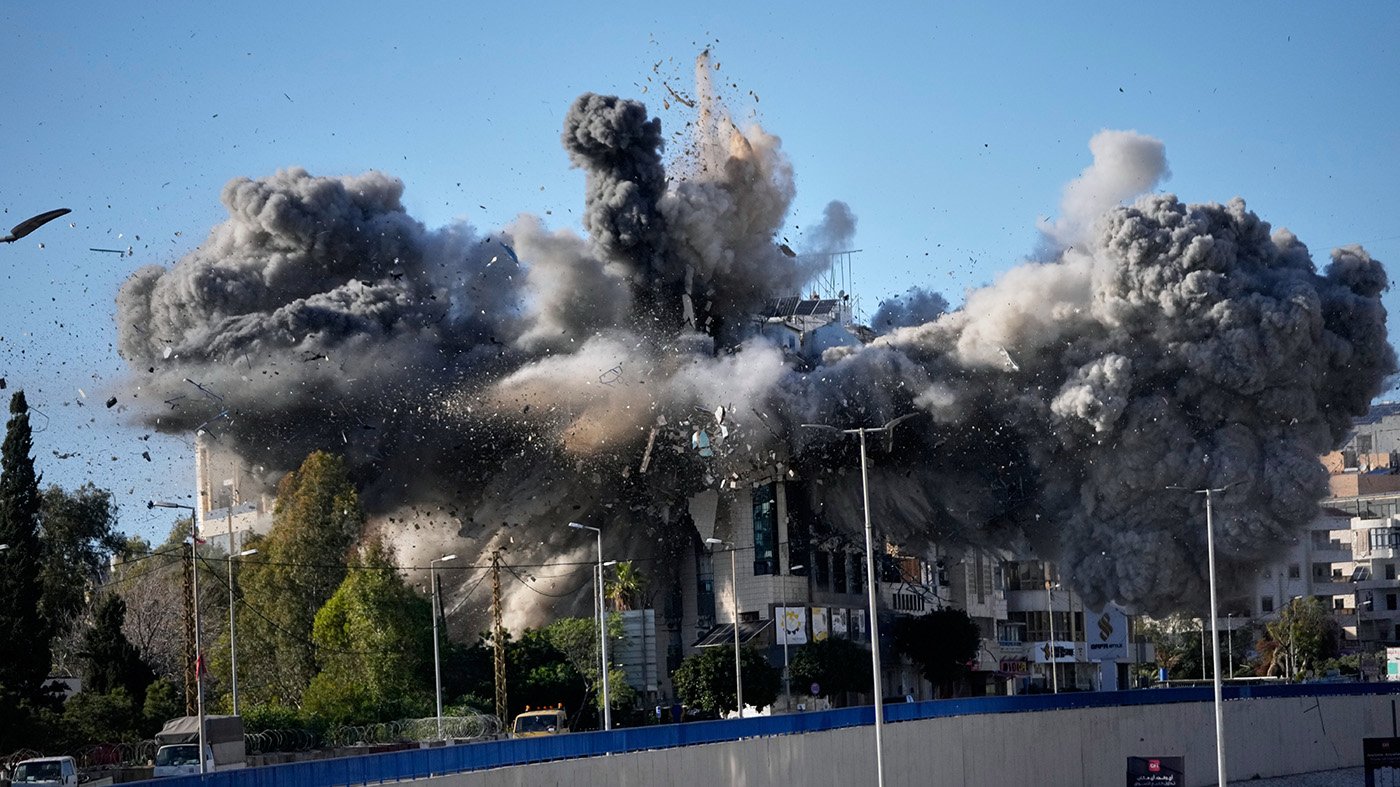
The demand for a Lebanon ceasefire highlights the severe escalation there. Amnesty International's regional director stated Wednesday was the deadliest day in Lebanon since Israel renewed its strikes last month, targeting the Iranian-backed Hezbollah. Lebanese Prime Minister Nawaf Salam announced his government would file a formal complaint with the United Nations Security Council concerning the attacks.
In a parallel development, Israeli Prime Minister Benjamin Netanyahu ordered his cabinet on Thursday to enter negotiations with Lebanese officials, citing "repeated requests." A statement indicated the talks would focus on disarming Hezbollah and establishing a lasting peace, though it remains unclear if this constitutes a direct response to international or Iranian pressure.
The intertwined crises—spanning the Gulf, Lebanon, and nuclear policy—demonstrate the complex leverage points in U.S.-Iranian relations. Iran's control over the Strait of Hormuz provides it with significant economic and strategic influence, a factor underscored by analysts who note that any lasting stability in energy markets hinges on the waterway's status. The coming days will test whether either side is willing to bend on their stated red lines to prevent a broader regional conflict.