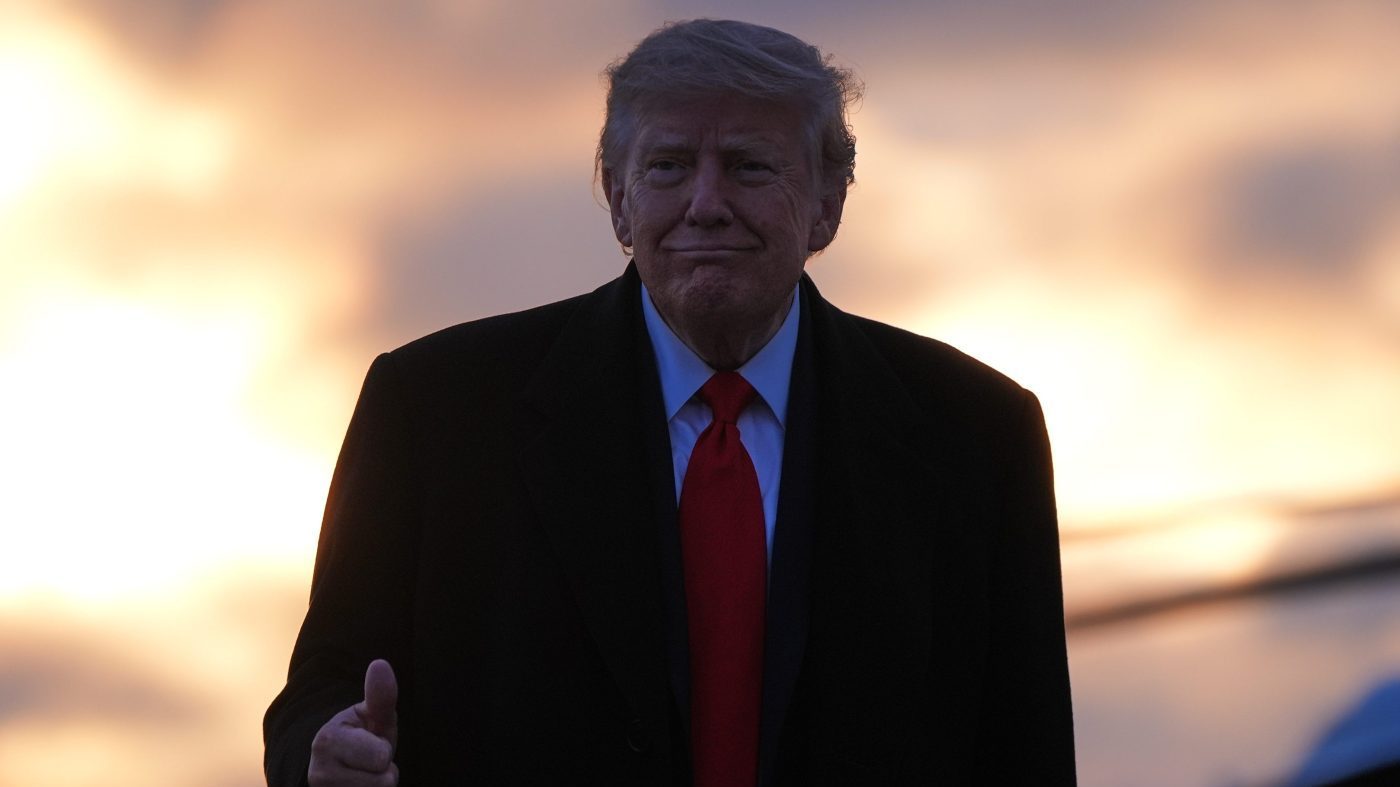
The announcement of a ceasefire between the United States and Iran has triggered an immediate but volatile drop in global oil prices, offering the prospect of some near-term relief for American consumers facing high gasoline costs. The truce, declared by President Trump late Tuesday, sent the benchmark West Texas Intermediate crude price plunging approximately 17 percent to around $91 per barrel by Wednesday morning. Prices partially recovered to about $97 by Thursday, yet remained significantly below pre-ceasefire peaks.
Modest and Conditional Relief
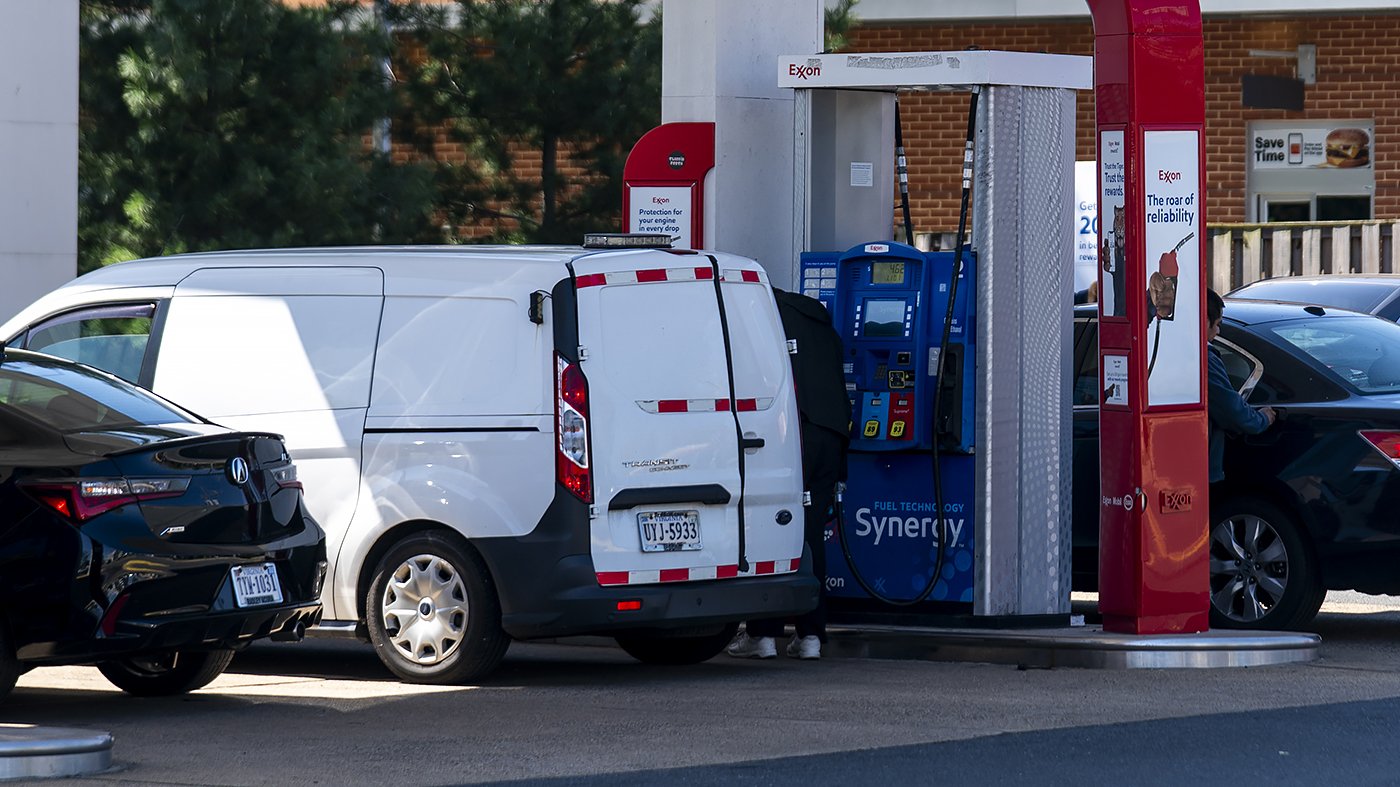
Energy market analysts caution that any benefit for drivers will be modest and entirely dependent on the ceasefire holding. "Given the magnitude of the price decline today, we will see some minor relief at the pump by Saturday, but I'm certainly not looking for prices to go back to their pre-conflict level," said Andrew Lipow, president of Lipow Oil Associates. He suggested the national average could dip below $4 per gallon in the coming weeks if the truce endures. As of Thursday, the average price stood at $4.17, over a dollar higher than before the conflict began on February 28.
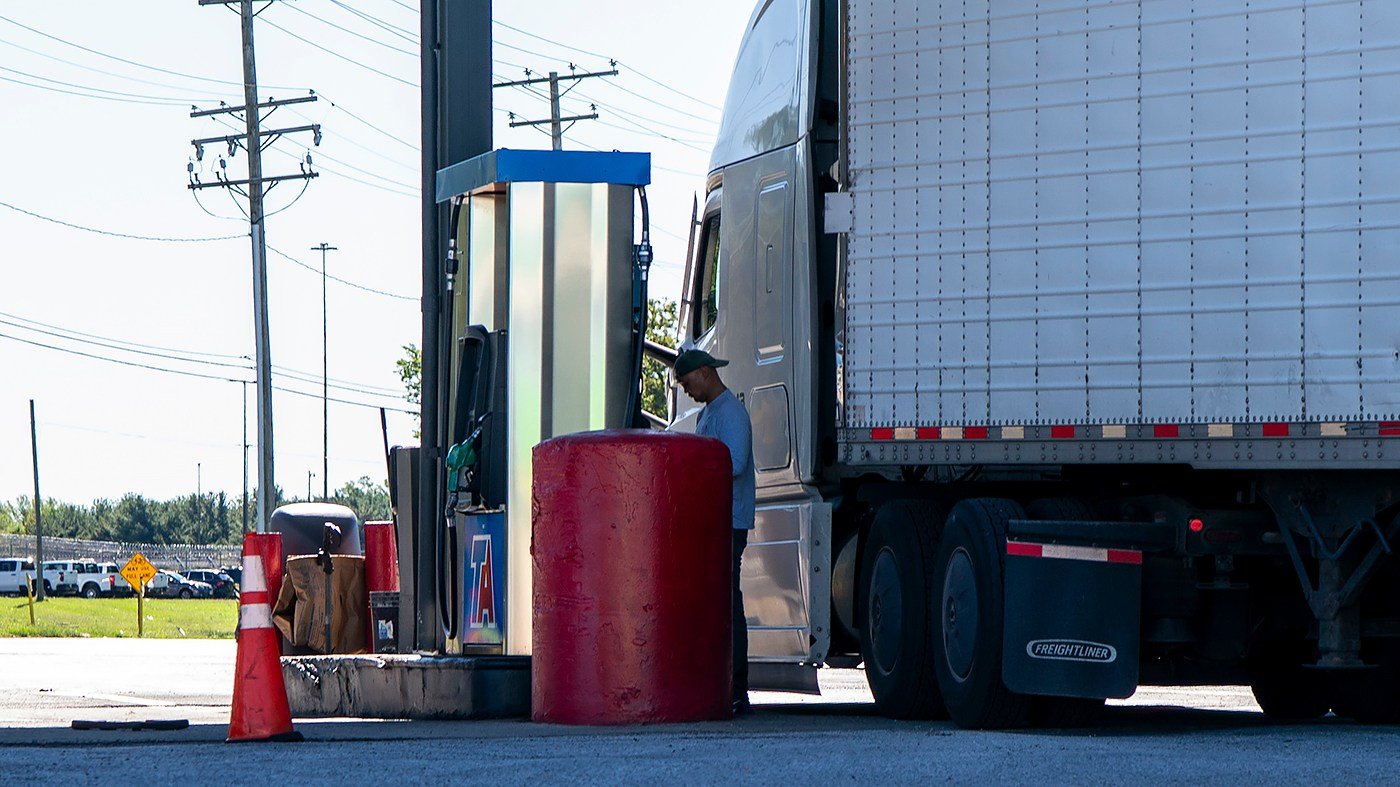
Patrick De Haan of GasBuddy noted on social media that many states were already seeing price declines, with "nice drops" expected over the weekend if conditions remain stable. However, the inherent volatility was evident as gasoline futures, after a sharp fall, rebounded slightly on Thursday.
The Persistent Hormuz Factor
The core issue preventing a full return to pre-war energy prices is Iran's demonstrated leverage over the Strait of Hormuz, a critical maritime chokepoint for roughly one-fifth of the world's oil supply. The conflict erupted after Iran threatened and then moved to restrict traffic through the strait, eventually implementing a toll system for vessels. This action sent oil markets into chaos and directly caused the price surge.
Analysts widely believe Tehran will be reluctant to surrender this newfound strategic advantage, even under a ceasefire. "Iran has discovered and acted on this newfound leverage to put the world's economy in a chokehold. Why would it relinquish that in the future?" asked Clayton Seigel, a senior fellow at the Center for Strategic and International Studies. He argued the world has entered "uncharted territory" where energy exports face a "semipermanent" risk, preventing a full market normalization.
Lipow concurred, stating, "My opinion is that, yes, Iran is going to attempt to control movements through the strait by acting as a tollbooth and collecting fees." This assessment casts a long shadow over the ceasefire's durability and economic impact. The Trump administration has stated the agreement is conditioned on free passage through the strait, while Tehran has signaled its intent to maintain control, setting the stage for potential future accusations of violating the ceasefire terms.
Skepticism and Regional Complications
Other experts express deeper skepticism about meaningful consumer relief. Seigel noted that global oil supply is now structurally lower than before the conflict. "We will have less oil than before, and that will keep pump prices somewhat elevated," he said. He also highlighted the typical market asymmetry where "gas prices go up like a rocket and down like a feather," meaning declines are frustratingly slow even when conditions improve.
The ceasefire's fragility is compounded by ongoing regional violence. Shortly after the US-Iran announcement, Israel continued its bombing campaign in Lebanon, a move that Iran warned could render further talks "meaningless" and trigger a renewed shutdown of the Strait of Hormuz. While US and Israeli officials claim Lebanon was not part of the agreement, the escalation injects severe uncertainty into the diplomatic process. This tension underscores why upcoming negotiations in Islamabad face significant hurdles.
Ultimately, the ceasefire has provided a temporary reprieve from spiking energy costs, but the fundamental geopolitical landscape has shifted. Iran's use of the Strait of Hormuz as an economic weapon has introduced a lasting risk premium into oil markets. For American consumers, this likely means that while the most acute price spikes may recede, the era of sub-$4 gasoline that preceded the February 28 conflict is unlikely to return anytime soon, barring a comprehensive and stable resolution that fully neutralizes Tehran's control over the world's most vital oil transit route.