Former CIA Director Foresees Lengthy Diplomatic Process
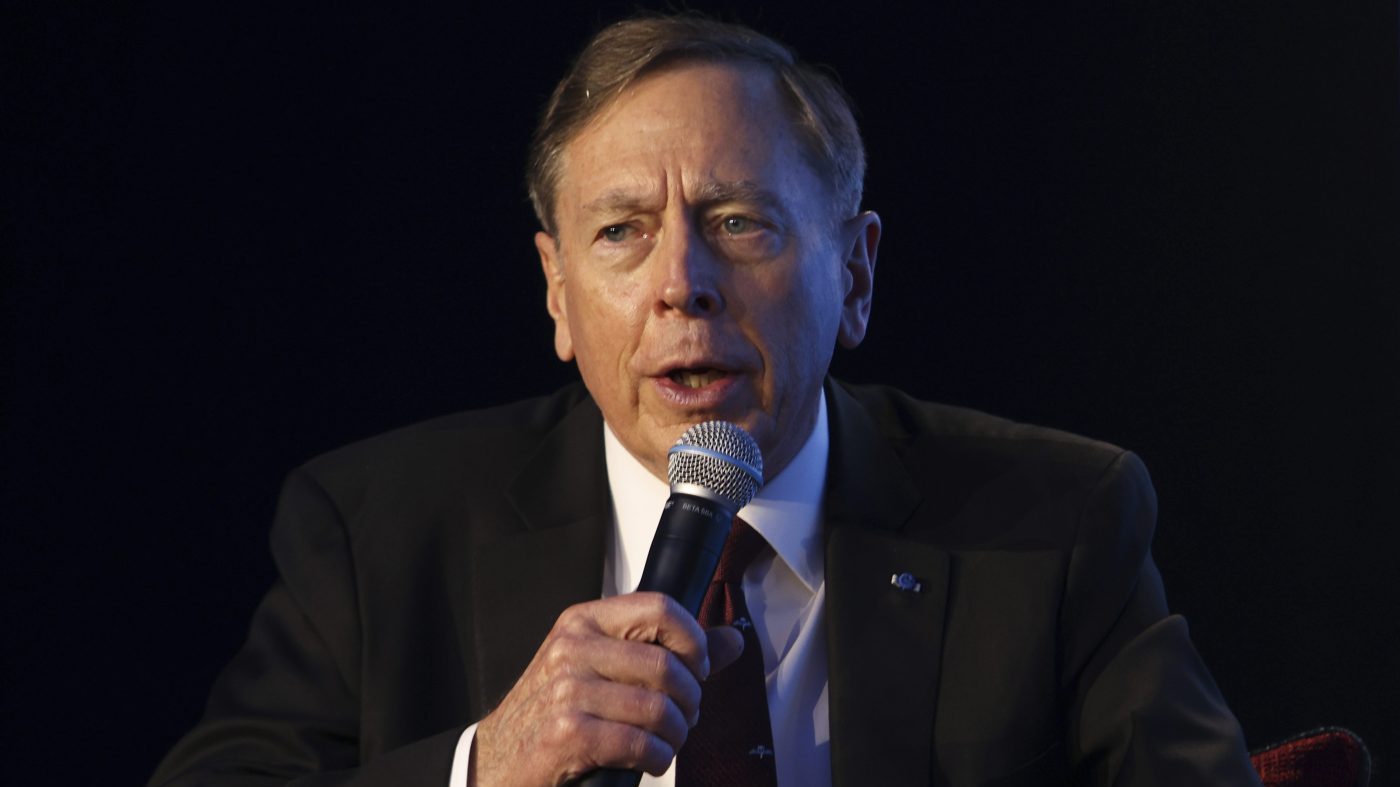
Retired General David Petraeus stated on Sunday that recent high-stakes negotiations between the United States and Iran could extend for years, not months, citing Tehran's historical proficiency in prolonging diplomatic engagements. His comments follow the collapse of historic direct talks in Islamabad after 21 hours of discussion.
Talks Collapse Amid Core Disagreements
The discussions, led by Vice President Vance for the American delegation, broke down without agreement on critical issues including Iran's nuclear program and security in the Strait of Hormuz. Vance characterized the failure to reach terms as "bad news for Iran," while maintaining the U.S. approached the table in good faith with flexible positions.
"I suspect this is going to take some time," Petraeus said during an appearance on John Catsimatidis's radio program. "The Iranians are really quite good at dragging negotiations out, at having the last word, the last edit. Historically, these kinds of negotiations actually take years."
Iranian Demands Deemed Unacceptable
Petraeus was particularly dismissive of Tehran's proposed ten-point peace plan, which reportedly includes a demand for the withdrawal of U.S. forces from the region. He labeled the conditions "laughable" and "absurd demands that cannot be accepted by the United States." Despite this, he suggested there might be enough incremental progress for President Trump to consider extending the current 14-day ceasefire to allow further negotiation.
The general also presented a paradoxical outlook, suggesting Iran could emerge strengthened from the diplomatic process despite recent military setbacks from U.S. and Israeli operations. He tied this potential strength directly to control over the Strait of Hormuz, a vital global oil chokepoint which Iran has opened and closed multiple times during the recent conflict.
Strategic Waterway Looms as Potential Flashpoint
Petraeus warned that if a diplomatic agreement remains elusive, hostilities could quickly resume with a primary focus on controlling the Strait. This assessment underscores the high stakes of the ceasefire negotiations led by Vance, which aimed to prevent a broader regional war.
Vance told reporters the talks were "substantive" and centered on compelling Iran to abandon its nuclear ambitions and provide verifiable guarantees against weapon development. However, he declined to detail specific proposals exchanged or rejected at the table. "We just could not get to a situation where the Iranians were willing to accept our terms," Vance stated.
Divergent Post-Mortems from Washington and Tehran
In contrast to the American delegation's portrayal, Iranian Foreign Ministry spokesperson Esmaeil Baqaei described the talks as "intensive." In a social media post, Baqaei said discussions covered the nuclear file, the status of the Strait of Hormuz, the lifting of international sanctions, and a comprehensive end to hostilities against Iran in the region.
The failure in Islamabad leaves the temporary ceasefire in a precarious state, with global attention now fixed on whether the window for diplomacy will close, potentially triggering a renewed military confrontation centered on one of the world's most critical maritime passages.