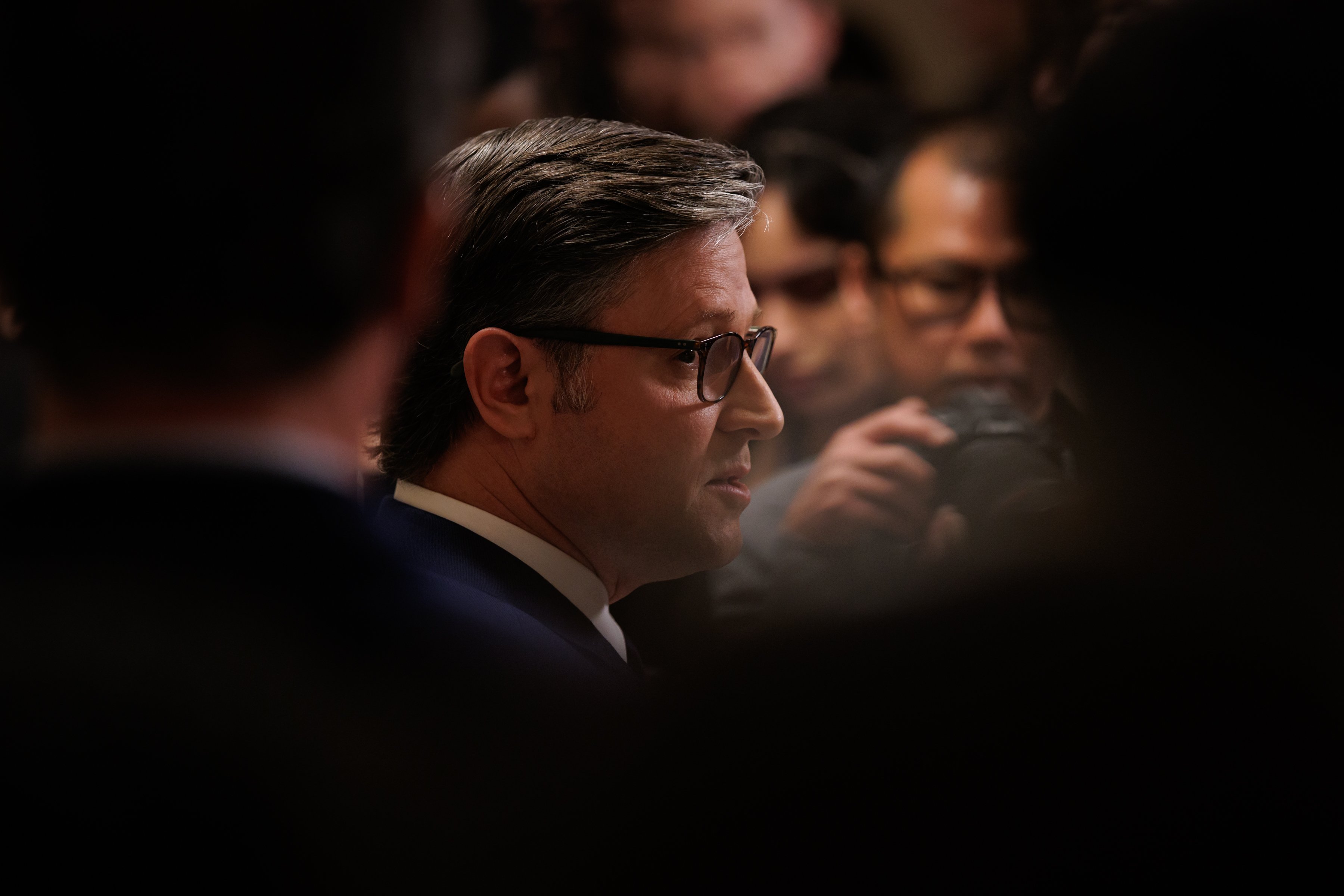
Congress has displayed a pattern of deference to President Trump's agenda, even when his actions on tariffs, immigration enforcement, and military engagement test constitutional limits. As the leader of the House, Speaker Mike Johnson (R-La.) bears primary responsibility for this legislative acquiescence, according to critics who argue he has failed to uphold the system of checks and balances.
Tariffs and the Abdication of Oversight
The administration's tariff strategy exemplifies this dynamic. After the Supreme Court ruled certain tariffs unlawful, the President employed alternative statutory justifications to maintain them, pushing legal boundaries. While the executive possesses significant authority, constitutional scholars maintain it is Congress's duty to ensure such actions remain within legal confines. Johnson's leadership has not provided that critical check, allowing what some view as an erosion of legislative power.
Shutdowns and Legislative Strategy
Johnson's tactical decisions have directly contributed to government dysfunction. He guaranteed the first of three partial shutdowns during Trump's current term by adjourning the House after passing a funding bill, cutting off negotiations with the Senate. This move, while providing political leverage, resulted in hundreds of thousands of federal workers going unpaid and an estimated $7 billion in permanently lost GDP. The ongoing stalemate, particularly regarding Homeland Security funding, continues to disrupt essential agencies.
Immigration Enforcement and Legal Questions
The Speaker's support for aggressive Immigration and Customs Enforcement (ICE) tactics has drawn sharp rebuke. He defended ICE officers' use of administrative warrants instead of judicial warrants for home entries, a practice legal experts call likely unconstitutional. Johnson argued judicial warrants would hinder operations, a rationale critics say prioritizes speed over legality. This stance is central to the funding impasse, as Johnson rejected a bipartisan Senate bill to fund all of DHS except ICE, and later dismissed a unanimously supported Senate proposal as a "joke" before backtracking. This approach threatens programs like the military pipeline for immigrant youth and aligns with hardline advisers telling the Catholic Church to stay out of immigration policy.
Military Actions and Constitutional War Powers
Johnson's posture extends to military affairs, where he has denied that Trump's actions in Iran constitute a war, despite escalating engagements. This reluctance to invoke congressional war powers grants the executive unchecked latitude for military exercises that risk further casualties and regional destabilization. Given the homeland security implications, playing "dice" with the stability of agencies like TSA and the Coast Guard during a protracted shutdown is seen as particularly reckless. The Speaker's discomfort with broader anti-war sentiment was noted when he reacted to the Pope's criticism of the conflict.
The Speaker's Role and Political Reality
As second in line to the presidency, Johnson's judgment is under scrutiny. Critics argue his actions lack the character required for such a position. Elected from a safe Republican district in Louisiana, his removal as Speaker would require a revolt within his party or a Democratic takeover of the House in the midterms. Meanwhile, his legislative record includes moments of solemnity, such as awarding a posthumous medal to Nuremberg prosecutor Ben Ferencz, and partisanship, like backing the expulsion of a Florida Democrat.
Broader Implications for Governance
The ongoing turmoil offers a stark lesson in what occurs when Congress neglects its constitutional responsibilities. Ensuring lawful governance serves all interests, yet Johnson is accused of ignoring the "how" of presidential actions. The administrative fallout is significant, with agencies like CBP preparing to refund billions in invalidated tariffs. The Speaker's permissiveness, analysts conclude, shares responsibility for the abusive tariffs, questionable ICE tactics, and ill-conceived military ventures advanced under this administration.