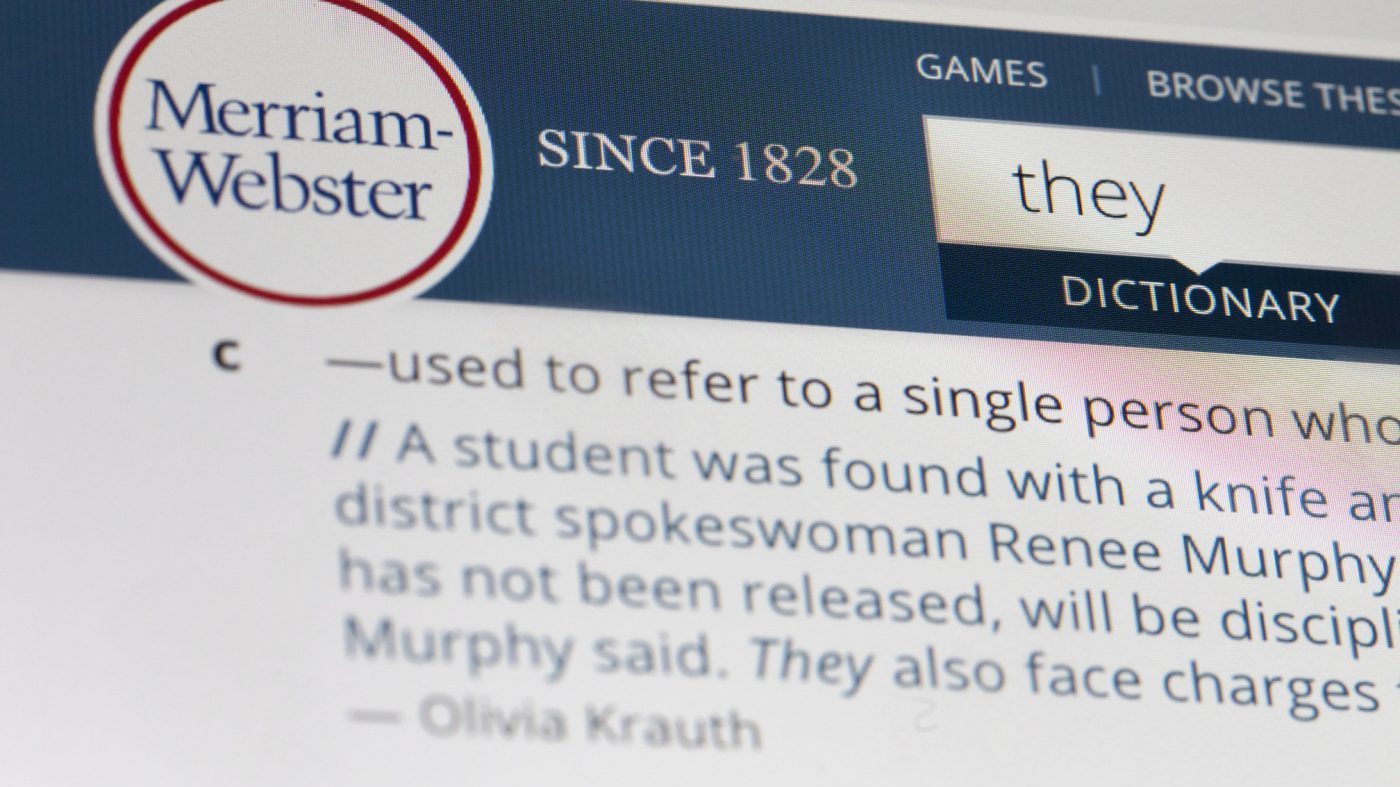
Merriam-Webster, the Springfield, Massachusetts-based dictionary publisher, has expanded its online lexicon with 1,400 new words and definitions, marking a significant update that captures the rapid evolution of language driven by social media, technology, and cultural shifts.
The new entries reflect how digital platforms have reshaped everyday communication. Among the additions are looksmaxxing, defined as the practice of taking one or more sometimes extreme or dangerous measures intended to increase one's physical attractiveness; parasocial, relating to a one-sided emotional connection with a celebrity or fictional character; and rickroll, the act of tricking someone into hearing Rick Astley's 1987 hit “Never Gonna Give You Up.”

These terms, born from internet culture, have now entered the official dictionary, signaling their widespread acceptance in mainstream usage. The update also includes AGI (artificial general intelligence), vibe coding (using AI to generate computer code), and uncanny valley (the eerie feeling provoked by human simulations).
In the technology realm, the noun compute has been added, referring to the computational resources, such as memory and processing power, required for a computer or program to function. This reflects how tech jargon increasingly permeates general vocabulary.
Food-related terms also made the cut, including cake pop, shishito, bao, chili crisp, and superfood, defined as a nutrient-rich food like salmon, broccoli, or blueberries. These additions highlight the growing influence of culinary trends and health consciousness on language.
Pop culture and shared experiences contributed several entries. Cuffing season describes the period when unattached people seek short-term partners for the colder months. Yacht rock refers to the soft rock style of the 1970s and 1980s. Crashout is defined as a mental or emotional breakdown, or an outburst. Sunday scaries captures the anxiety felt on Sundays as the weekend ends. Copium describes the avoidance or denial of a bad situation, imagined as a narcotic. The Mandela Effect, coined by researcher Fiona Broome, refers to the phenomenon of many people sharing a false memory, such as incorrectly remembering Nelson Mandela's death in prison.
This update underscores how the internet and social media accelerate language change, with new terms entering the dictionary faster than ever. Merriam-Webster, the oldest dictionary company in the United States, continues to document these shifts, providing a snapshot of contemporary culture.
For a full list of the new entries, visit the company's website. The additions reflect not just linguistic trends but also broader societal changes, from the rise of AI to the normalization of online behaviors.