U.S. Customs and Border Protection (CBP) has finished the core development of a new automated system designed to process billions of dollars in tariff refunds, the agency announced Tuesday. The system, which is now undergoing rigorous final testing, is slated to go live next week, marking a critical step in one of the largest financial restitution efforts in recent trade history.
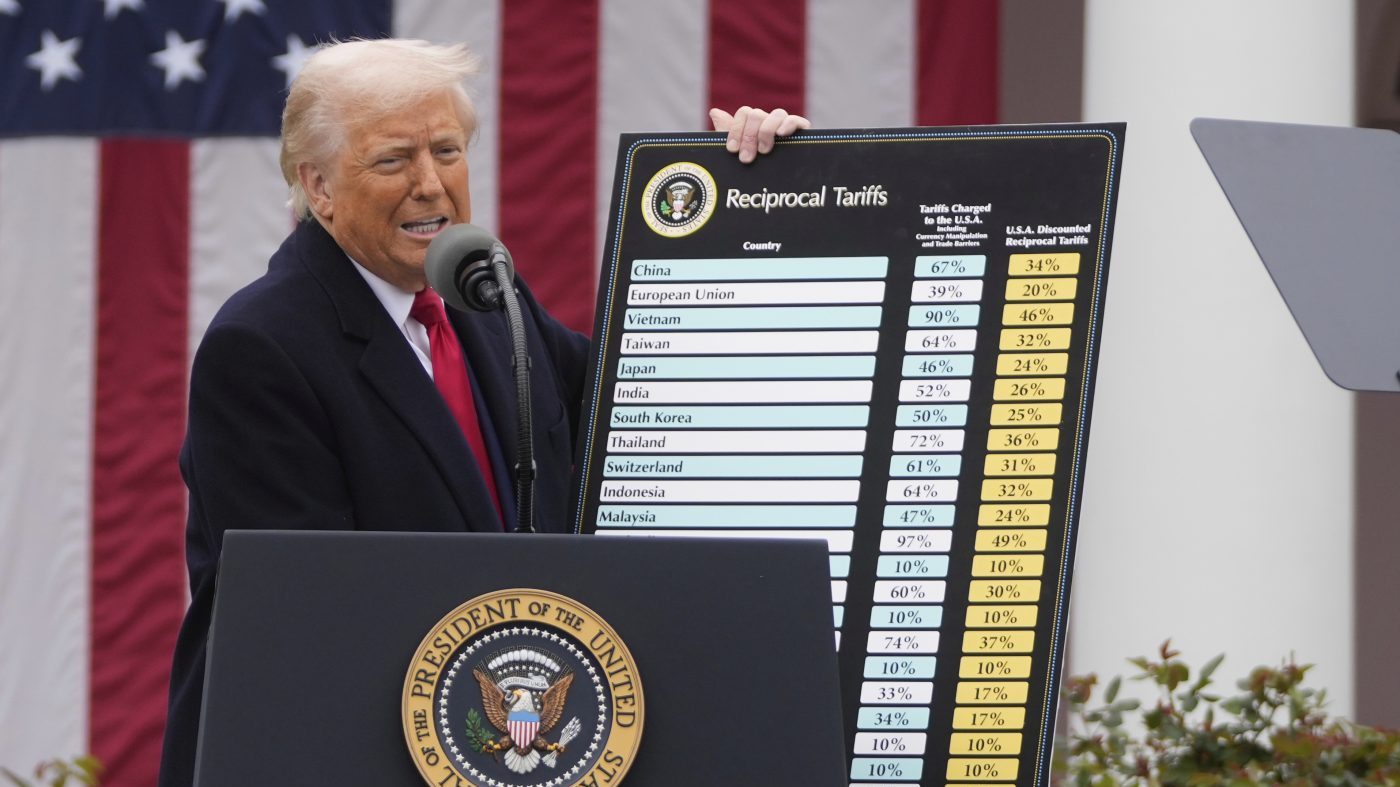
The refunds stem from the Supreme Court's landmark 6-3 decision in February, which struck down a series of emergency tariffs imposed during the Trump administration. The ruling left CBP, the federal agency responsible for collecting duties, with the monumental task of returning approximately $166 billion paid by some 330,000 importers.

"The agency has transitioned to an intensive testing posture, focused on performance and scenario-based testing," CBP official Brandon Lord wrote in a recent court filing. Officials have targeted April 20 for the launch of the system's first phase, though they have cautioned that importers may face an additional 45-day wait before funds actually reach their accounts.
According to Lord, the automated platform will be capable of handling electronic refunds for about 82 percent of the affected tariff entries, representing roughly $127 billion in deposits. More than 56,000 importers have already registered to use the system, with sign-ups continuing to climb as the launch date approaches.
Not all refunds, however, will flow through this streamlined process. Lord noted that a subset of entries—specifically those not yet formally closed via "liquidation" and those subject to separate antidumping orders—must undergo a manual, administrative review. "The administrative refund process requires CBP to manually adjust the collection record in ACE, move funds to suspense accounts, and generate manual refunds," he explained. This slower, case-by-case procedure applies to an estimated $2.9 billion in tariff deposits.
The mammoth refund operation is being supervised by Judge Richard Eaton of the U.S. Court of International Trade, a Clinton appointee. The legal backdrop for this effort remains contentious, as the trade court continues to wrestle with legal challenges to newer Trump-era tariff measures. Furthermore, former President Trump has publicly rebuked the Supreme Court over its tariff ruling, signaling ongoing political friction over trade policy.
In a procedural shift for the underlying lawsuit, the court has appointed a new lead plaintiff. Euro-Notions Florida, an Illinois-based importer of sewing products, will now steer the litigation after the original lead plaintiff, Nashville-based Atmus Filtration, unsuccessfully sought to withdraw from the role. The case underscores the complex interplay between judicial oversight and executive branch implementation in major trade disputes.
The launch of CBP's refund system represents a pivotal test of administrative capacity following a decisive judicial intervention. Its performance will be closely watched by the import community and could set a precedent for handling future, large-scale tariff reversals. As the agency finalizes its preparations, the focus turns to whether the technical solution can meet the immense logistical and financial demands created by the Court's rejection of the Trump tariffs.