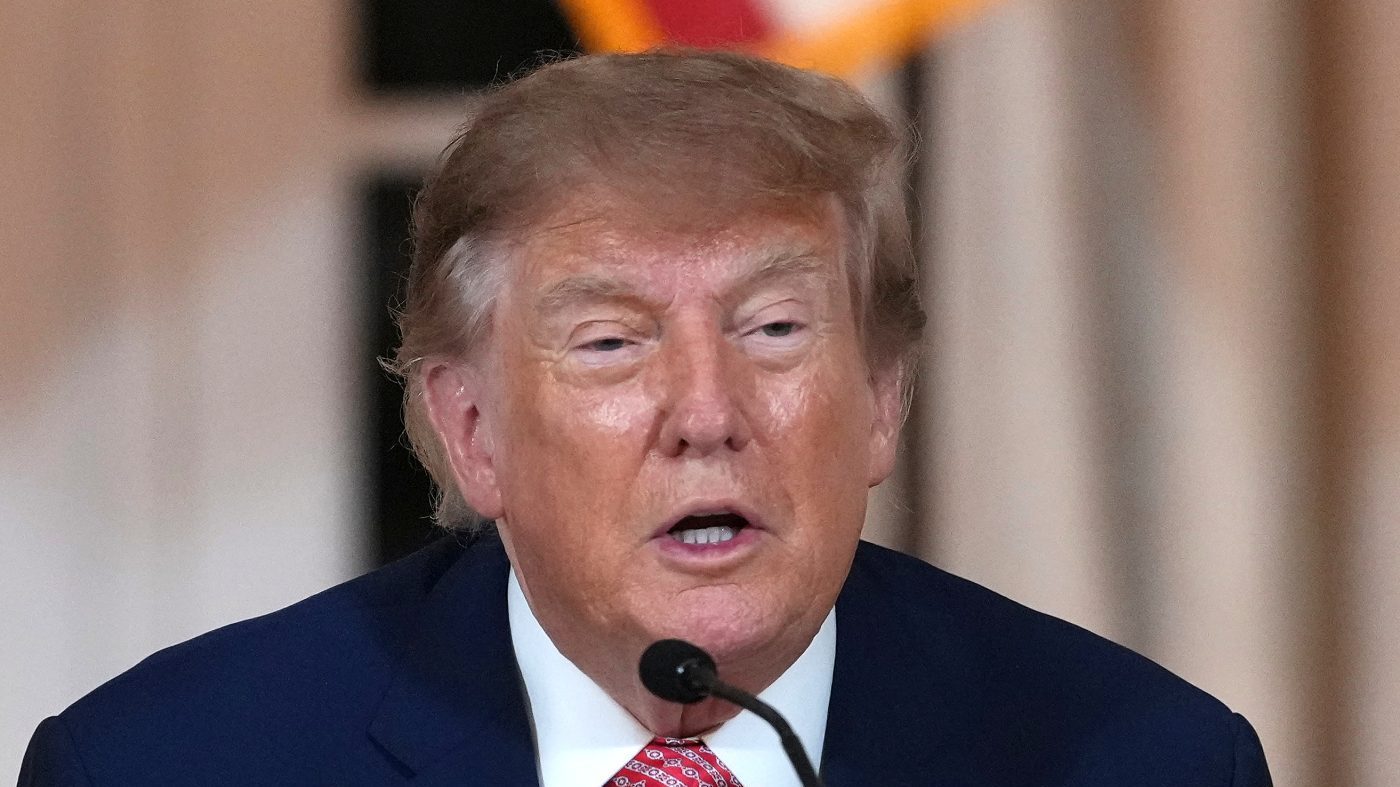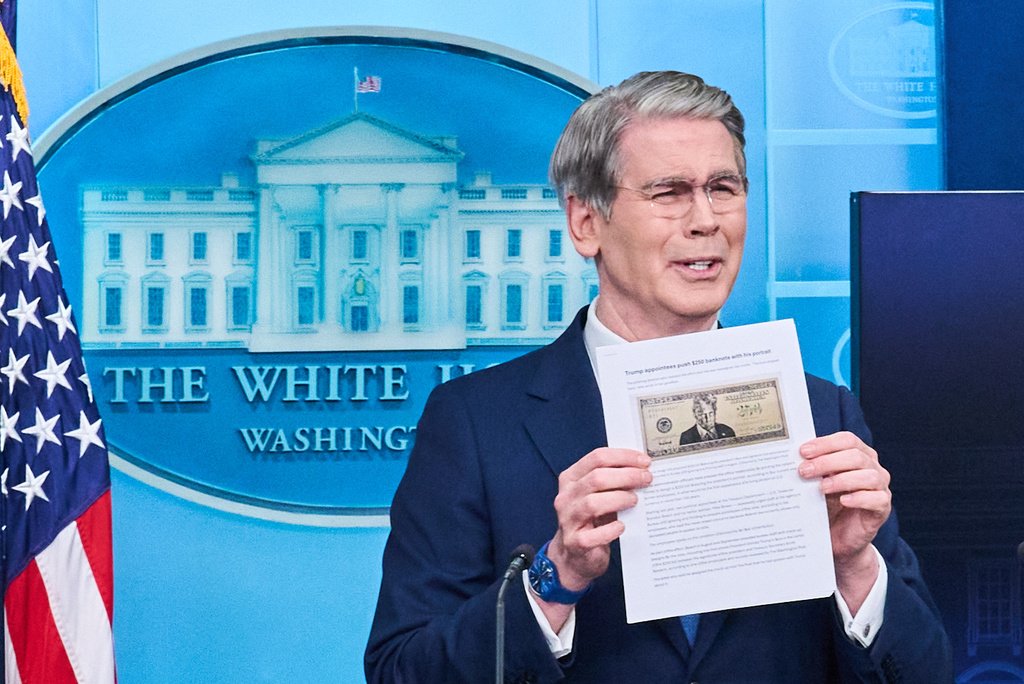
President Donald Trump is pushing for a $250 bill featuring his own portrait to mark the nation's 250th anniversary in 2026. While the idea of a commemorative note has some merit, the choice of subject is sparking fierce debate.
Federal law prohibits printing living individuals on currency, meaning Congress would need to pass new legislation. Some Trump allies have introduced bills to make it happen, but the proposal faces near-certain defeat in the Senate, where a filibuster would likely block it.

The U.S. has issued commemorative coins before—like the 1926 half-dollar honoring the 150th anniversary, which bore George Washington and Calvin Coolidge. But paper currency is a different matter. The Bureau of Engraving and Printing rarely releases commemorative banknotes. The only notable exception is Martha Washington, who appeared on the $1 Silver Certificate in the late 19th century, making her the sole woman to grace U.S. paper money.
Today, only six denominations are in circulation: $1, $2, $5, $10, $20, and $100. Larger notes—$500 (McKinley), $1,000 (Cleveland), $5,000 (Madison), $10,000 (Chase), and $100,000 (Wilson)—are no longer printed. A $250 bill would be a modern anomaly, but one that could honor a revolutionary figure instead of a sitting president.
Several revolutionary-era women deserve consideration. Abigail Adams, wife of John Adams and mother of John Quincy Adams, was a sharp political counselor who urged her husband to abolish slavery—advice that, if heeded, might have spared the nation decades of conflict. Mercy Otis Warren, known as the "Conscience of the Revolution," wrote plays and pamphlets against British rule and later penned a three-volume history of the war. She also opposed slavery and the Constitution as an anti-federalist.
For a more martial figure, there's Molly Pitcher—the nickname for Mary Ludwig, who took her wounded husband's place at an artillery piece during the Battle of Monmouth in 1778. George Washington reportedly promoted her to non-commissioned officer. She later appeared on U.S. postage stamps in 1928 and 1978. And Betsy Ross, credited with sewing the first American flag based on a design from Washington himself, remains a potent national symbol. She was honored on a stamp in 1952.
Trump's push comes amid broader efforts to reshape GOP orthodoxy, including revisionism around January 6 and budget reconciliation battles. A $250 bill with his image would likely deepen partisan divides rather than unite the country around its founding ideals.
A commemorative note for the 250th anniversary is a fine idea—but it should celebrate a revolutionary heroine who embodies the nation's birth, not a current political figure. That would honor the past and inspire unity, two things the country could use right now.