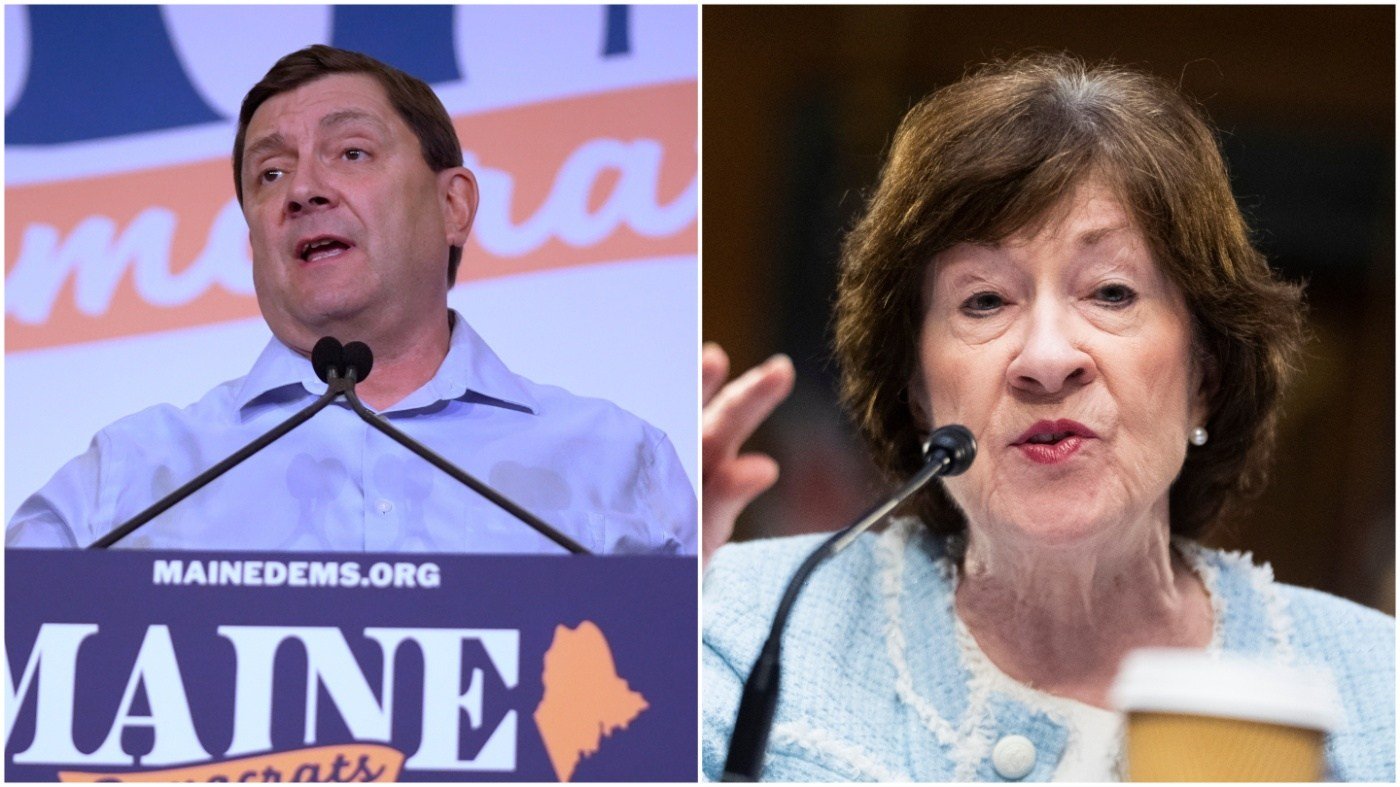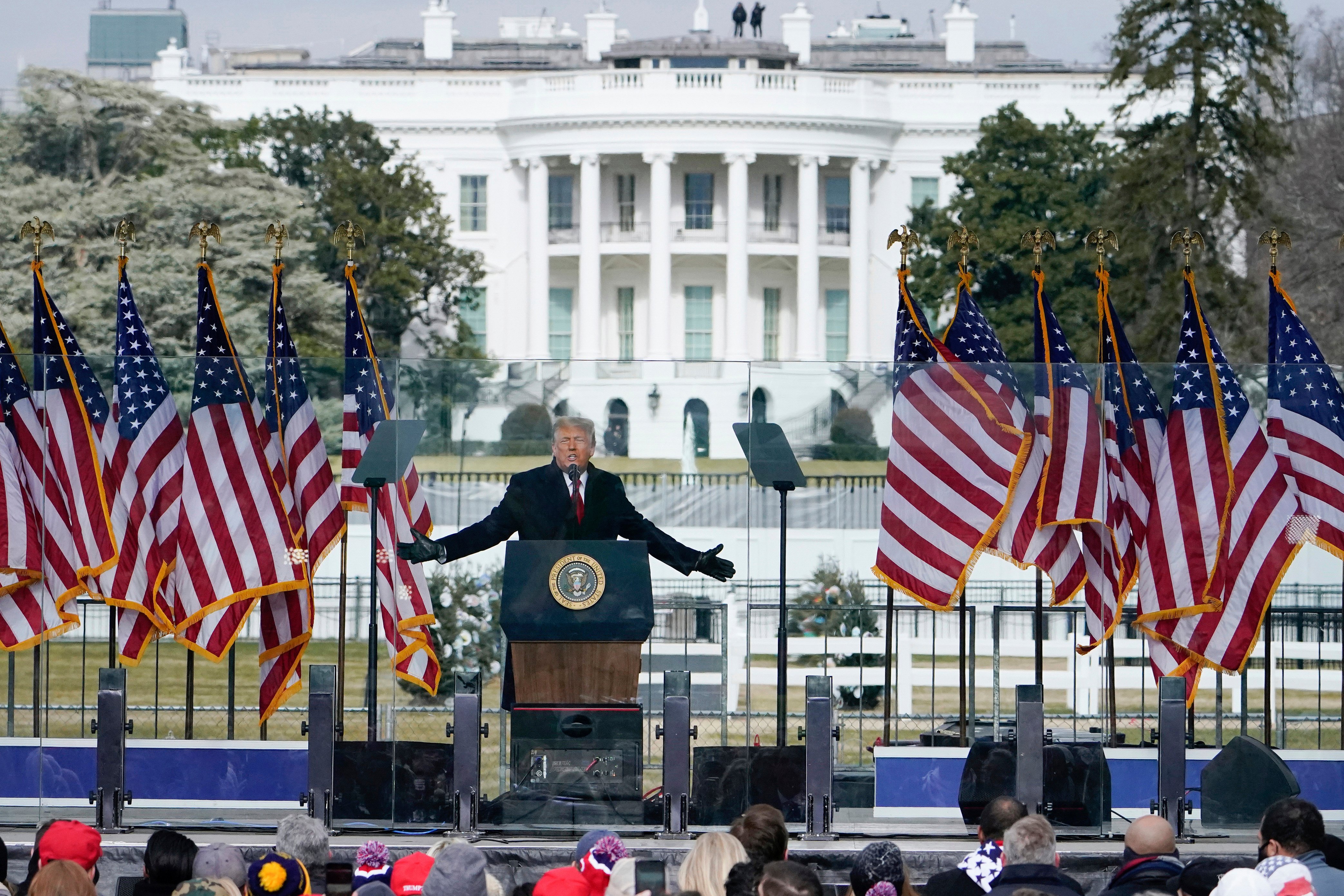
President Donald Trump's revisionist account of the January 6, 2021, Capitol attack has become the Republican Party's prevailing orthodoxy, as candidates and lawmakers who echo his false claims about that day and the 2020 election consistently defeat GOP rivals who challenge them. The latest primary results mark a near-complete purge of Republicans who dispute Trump's narrative on the election or the insurrection.
In Georgia's gubernatorial primary, Lieutenant Governor Burt Jones—who denies President Joe Biden's 2020 victory—defeated Secretary of State Brad Raffensperger. Raffensperger famously rejected Trump's pressure to "find" enough votes to overturn his loss in the state. Similarly, Texas Attorney General Ken Paxton, who spoke at the pro-Trump rally on January 6 and spread false claims of a stolen election, won his primary with Trump's endorsement, defeating incumbent Senator John Cornyn. Cornyn had criticized Trump's "reckless" language after the attack and opposed the party's characterization of the riot as "legitimate political discourse."
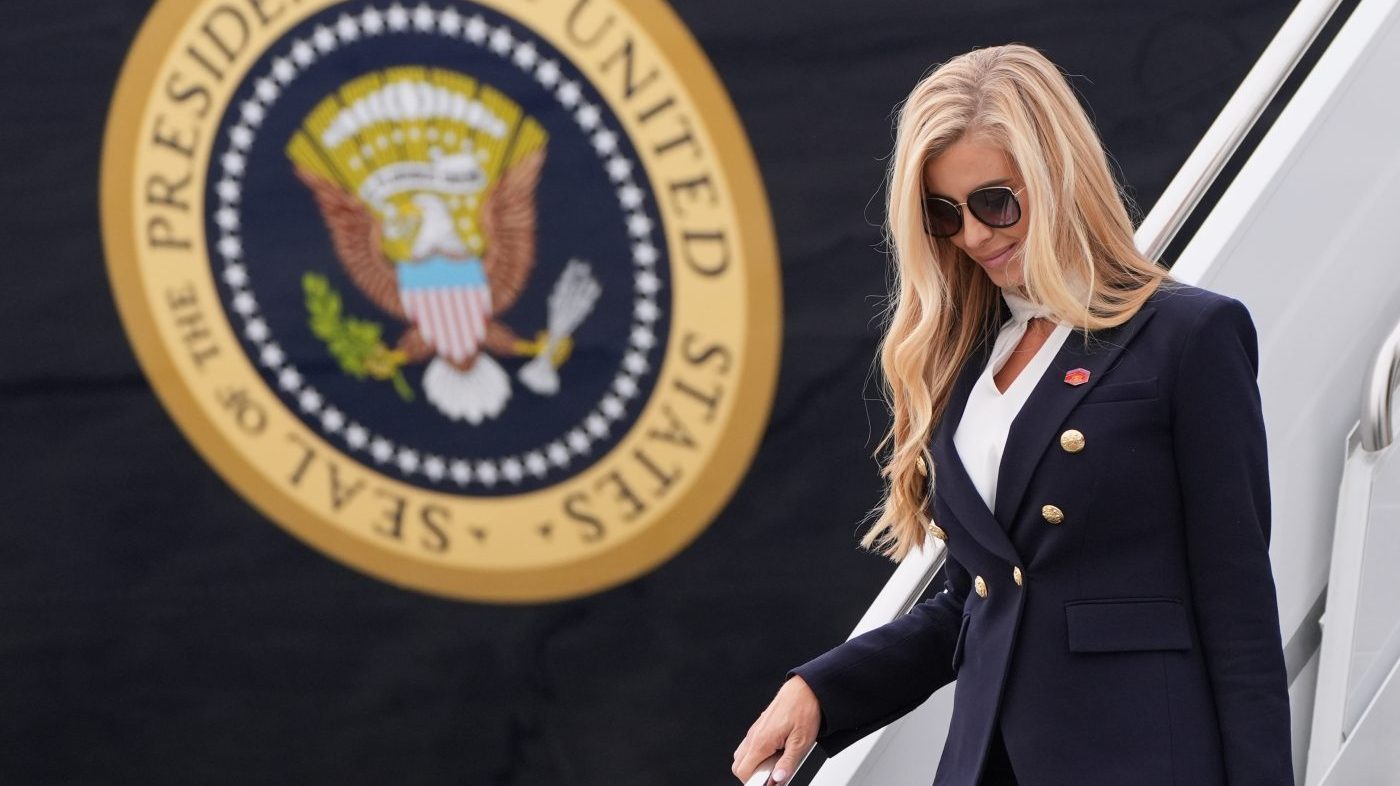
In Louisiana, Senator Bill Cassidy, one of seven Senate Republicans who voted to convict Trump for inciting the insurrection, lost his primary to a Trump-backed challenger. Cassidy's defeat underscores the party's intolerance for dissent on January 6. Among the ten House Republicans who voted to impeach Trump, only two remain: Representatives Dan Newhouse (WA) and David Valadao (CA). Newhouse, who condemned Trump's inaction during the attack, is retiring after 12 years. Valadao faces a tough general election in a redrawn district.
States United Action, a nonpartisan watchdog, estimates that 115 "election deniers"—candidates who question the legitimacy of the 2020 election or refuse to certify Biden's win—are running for statewide or congressional office in 2026. "These races really matter," said research director Kelly Rader. "Whoever wins in November will be tasked with checking executive overreach from President Trump and overseeing safe elections."
The shift is stark. In the immediate aftermath of the attack, many Republicans, including then-Speaker Kevin McCarthy, condemned Trump's role. But McCarthy quickly reversed course, and most others followed. Those who didn't, like Senator Mitt Romney, are now gone from Congress. Only Senators Susan Collins (ME) and Lisa Murkowski (AK) remain among those who voted to convict Trump in the impeachment trial, and both often break with the party. Collins faces a competitive reelection, though Vice President JD Vance recently voiced support, calling her "independent" because Maine is an "independent state."
Trump's campaign to rewrite the 2020 election narrative extends beyond primaries. The White House is pressuring congressional Republicans to prioritize "election integrity" measures like the SAVE America Act, which would require proof of citizenship and photo ID for voting. Kevin Madden, a longtime GOP strategist, said the embrace of Trump's January 6 story is part of a broader MAGA takeover. "Everything from trade policy to national security to immigration and backlash against DEI policies is as big or bigger than January 6 as a motivation," he said.
Some Republicans still draw a red line on the most extreme claims. Senate Majority Leader John Thune (SD) has objected to characterizing the riot as "legitimate political discourse," but such pushback is rare. The party's base, energized by Trump, continues to demand fealty to his narrative, leaving little room for dissent.