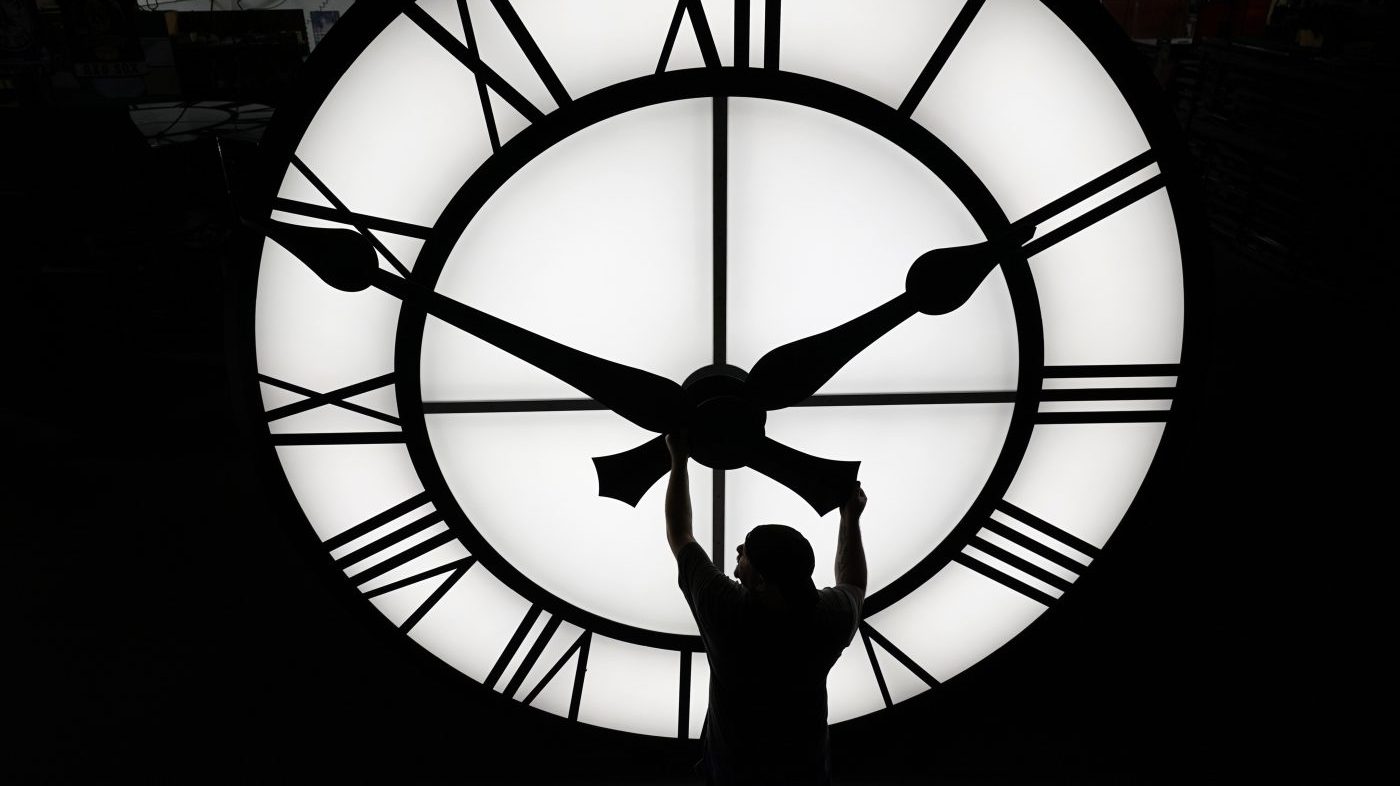
The U.S. House of Representatives passed the Sunshine Protection Act on Tuesday, bringing the country closer than it has been in years to eliminating the twice-yearly clock change. But the push to make daylight saving time permanent is drawing sharp criticism from health experts who warn it could harm Americans' well-being.
The bill, which still needs Senate approval and was referred to the Commerce, Science, and Transportation Committee on Wednesday, would lock clocks on daylight saving time year-round for states that do not opt out. President Trump has voiced strong support for the measure, writing on Truth Social in November, "We are going with the far more popular alternative, Saving Daylight, which gives you a longer, brighter Day — And who can be against that — This is an easy one!"

However, the shift would not actually lengthen days; it would merely shift daylight to later hours. And while Trump's rhetoric suggests broad appeal, a growing chorus of medical professionals and researchers is pushing back, arguing that permanent standard time — not permanent daylight saving time — is the healthier choice.
Health Risks of Permanent Daylight Saving Time
Many health experts agree that if the U.S. is going to stop changing clocks, it should adopt permanent standard time. The key issue is the timing of daylight exposure. During daylight saving time, sunlight lingers into the evening, while standard time provides more morning light. Morning light is crucial for regulating the body's internal clock, or circadian rhythm, which influences sleep patterns and overall health.
Studies have linked disruptions to circadian rhythms with a range of negative outcomes, including increased risks of mental health problems, substance abuse, speeding, delinquent behavior, lower educational performance, and reduced employment salaries. Some research even suggests that permanent standard time could lead to a decrease in suicide rates. "The science is clear: our bodies are designed to wake with the sun," said Dr. Sarah Johnson, a sleep specialist at Johns Hopkins University. "Permanent daylight saving time would force many people to start their day in darkness, which can throw off their sleep cycles for months on end."
Critics also point to the experience of countries that have tried permanent daylight saving time. For example, Russia experimented with year-round daylight saving time from 2011 to 2014 but reverted to standard time after widespread public complaints about dark winter mornings and health issues.
Political and Legislative Landscape
The Sunshine Protection Act's passage in the House marks a significant step, but its path through the Senate remains uncertain. The bill has been referred to the Commerce, Science, and Transportation Committee, where it will face scrutiny from lawmakers who are hearing from constituents on both sides of the issue. Some states, particularly those in northern latitudes, could see winter sunrises after 9 a.m. under permanent daylight saving time, a scenario that has alarmed parents and educators concerned about children walking to school in darkness.
Meanwhile, a counter-bill has been introduced in the House that proposes permanent standard time instead, reflecting the divide among lawmakers. "We need to listen to the experts and prioritize public health over convenience," said Rep. Mark Green, a sponsor of the standard time bill. "Permanent standard time aligns with our natural biology and would save lives."
As the debate continues, the Trump administration has signaled its preference for the more popular-sounding daylight saving option, but health experts caution that popularity does not equate to safety. The outcome will likely hinge on whether lawmakers weigh the political appeal of longer summer evenings against the scientific evidence favoring morning light.