The United States military relies heavily on first- and second-generation immigrants to fill its ranks, yet current political efforts to restrict immigration and intensify enforcement are creating significant friction with this critical recruitment demographic. At a time of heightened global conflict, including ongoing tensions in the Middle East, policies emanating from the White House, congressional Republicans, and GOP-led state legislatures appear to be undermining this key personnel pipeline.
A Vital Recruitment Pool
High schools with significant immigrant populations serve as unofficial feeder systems for the armed forces. Many children from immigrant families, who possess the academic potential for college, choose military service primarily for economic stability and educational benefits. A 2020 Department of Defense survey confirmed that funding for education is a top motivator for enlistment, second only to steady income.
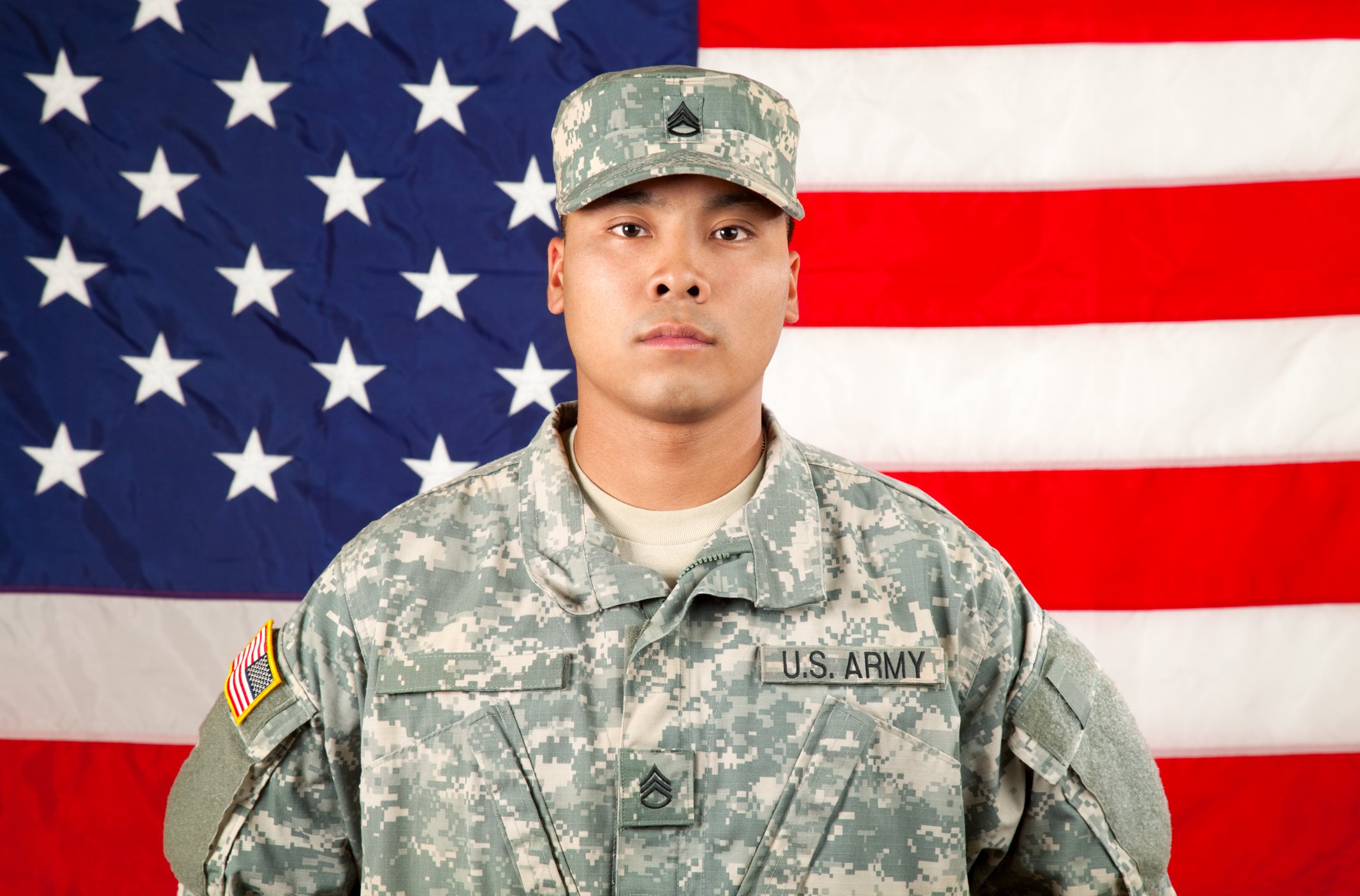
These recruits often bring a resilience forged by challenging upbringings—managing financial hardship, contributing to family businesses, or assisting with younger siblings—that translates directly to the discipline and sacrifice required in military life. This contrasts with a broader cultural trend identified in a 2021 Pentagon poll, where a "dislike of military lifestyle" dissuades many American youth from serving.
From Classroom to Conflict
Educators in immigrant-rich communities witness this transition firsthand. Students who might have been considered unfocused or unconventional in a civilian academic setting frequently thrive in structured military environments. Former students now serve in critical roles worldwide: as Marine Air Ground Task Force Planning Specialists in Hawaii, interior communications electricians on warships that intercepted Iranian missiles, and military police in Kuwait.
The cultural impact is pronounced within certain branches. As Marine veteran and comedian Josh Francis recently observed, "Everybody is Mexican in the Marines... In my squad of 14 people, we had three Hernandezes." This demographic reality underscores the deep connection between immigrant communities and military service.
Policy Creates Personal Conflict
This connection is now under strain. Aggressive Immigration and Customs Enforcement (ICE) operations create profound anxiety for service members deployed overseas, who fear their undocumented family members could be detained in their absence. For some, enlistment was a strategic path to eventually securing legal permanent residency for relatives.
The tension is being exacerbated by a concerted Republican effort to challenge longstanding legal precedents. GOP lawmakers, including Representative Chip Roy of Texas, have explicitly targeted the Supreme Court's Plyler v. Doe decision, which guarantees public education to children regardless of immigration status. During a recent House Judiciary Committee hearing, Roy declared the ruling "constitutionally indefensible" and argued, "It's time for it to go."
This push is being coordinated at high levels. Former White House adviser Stephen Miller is actively encouraging Texas Republicans to cut public school funding for undocumented students, an initiative supported by Governor Greg Abbott. Similar legislative measures have been pursued in Oklahoma, Idaho, Indiana, and New Jersey over the past year, as detailed in coverage of contentious House hearings on administration priorities.
A False Dichotomy in Immigrant Families
The political rhetoric drawing a sharp line between "legal" and "illegal" immigrants often collapses within the reality of mixed-status families. It is common for siblings—sometimes born just a year apart—to have different legal standings, with one a U.S. citizen and another undocumented. This creates impossible loyalties for service members.
One sailor, currently deployed in the Mediterranean, described the anguish of serving a country his mother must hide from. Brought to the U.S. at age two during the Salvadoran Civil War, she now avoids basic errands like grocery shopping for fear of ICE. "Imagine serving a country your own family has to hide from," he said. This sentiment echoes the broader cultural and political clashes seen in other arenas, such as when religious leaders face criticism for advocating peace during international conflicts.
The cumulative effect of these policies risks alienating a generation of potential recruits at a moment when military readiness is paramount. As global attention remains fixed on volatile regions, the domestic political battle over immigration is directly impacting the composition and morale of the armed forces. This internal conflict comes as the administration's focus is pulled in multiple directions, including by foreign policy crises and domestic political messaging that can overshadow other agendas.