Pontiff Reiterates Peaceful Coexistence Amid Political Firestorm
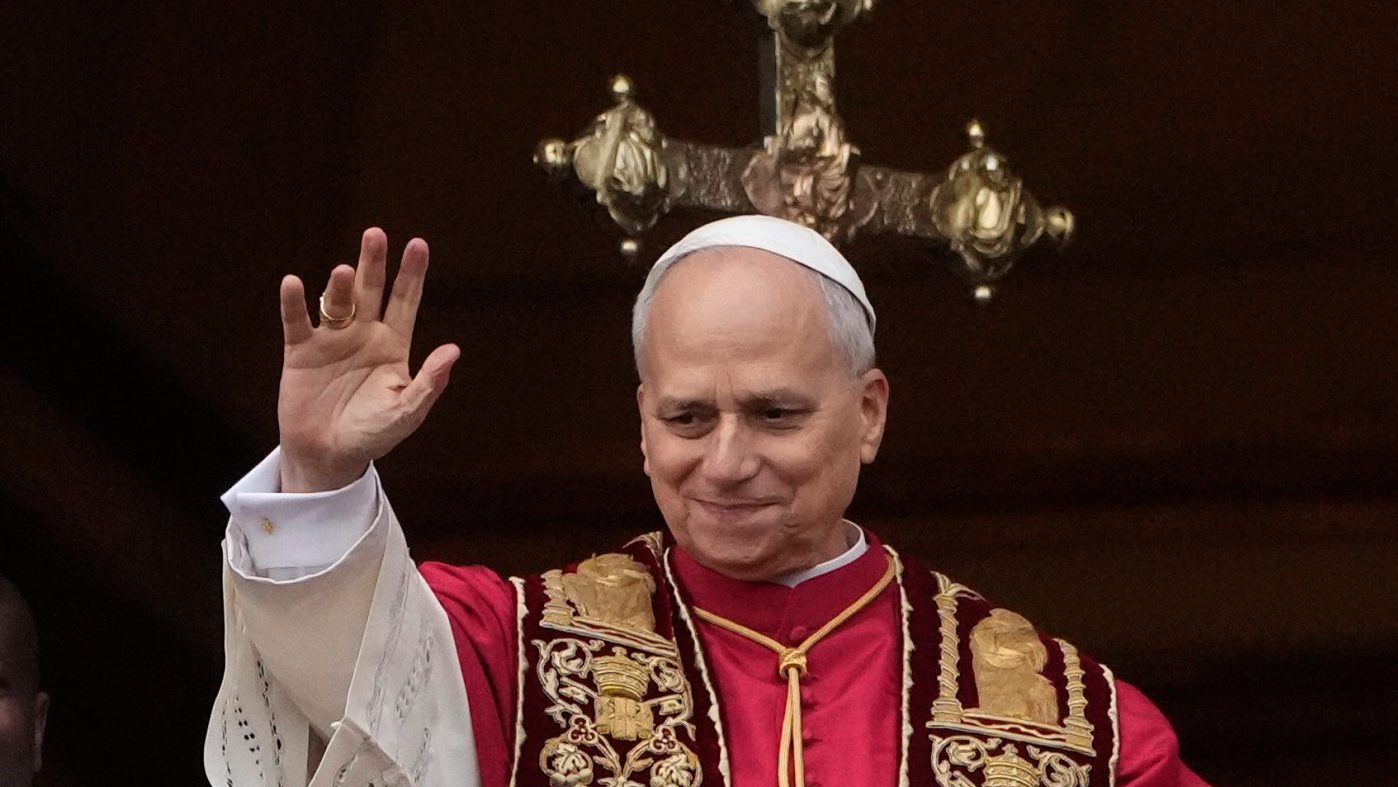
Pope Leo XIV directly addressed the escalating political controversy surrounding his comments on international conflicts Wednesday, stating that divergent beliefs and ways of life should not preclude peaceful coexistence. The pontiff's remarks, delivered to reporters aboard the papal plane following a historic visit to the Great Mosque of Algiers, came as President Donald Trump and key Republican allies intensified their criticism of his diplomatic interventions.
"We have different beliefs, we have different ways of worshipping, we have different ways of living, we can live together in peace," Pope Leo stated, according to a CNN report. He added that promoting this vision "is something which the world needs to hear today." The comments represent a deliberate reinforcement of his message following days of pointed attacks from the White House.
Trump's Escalating Rhetoric Targets Papal Leadership
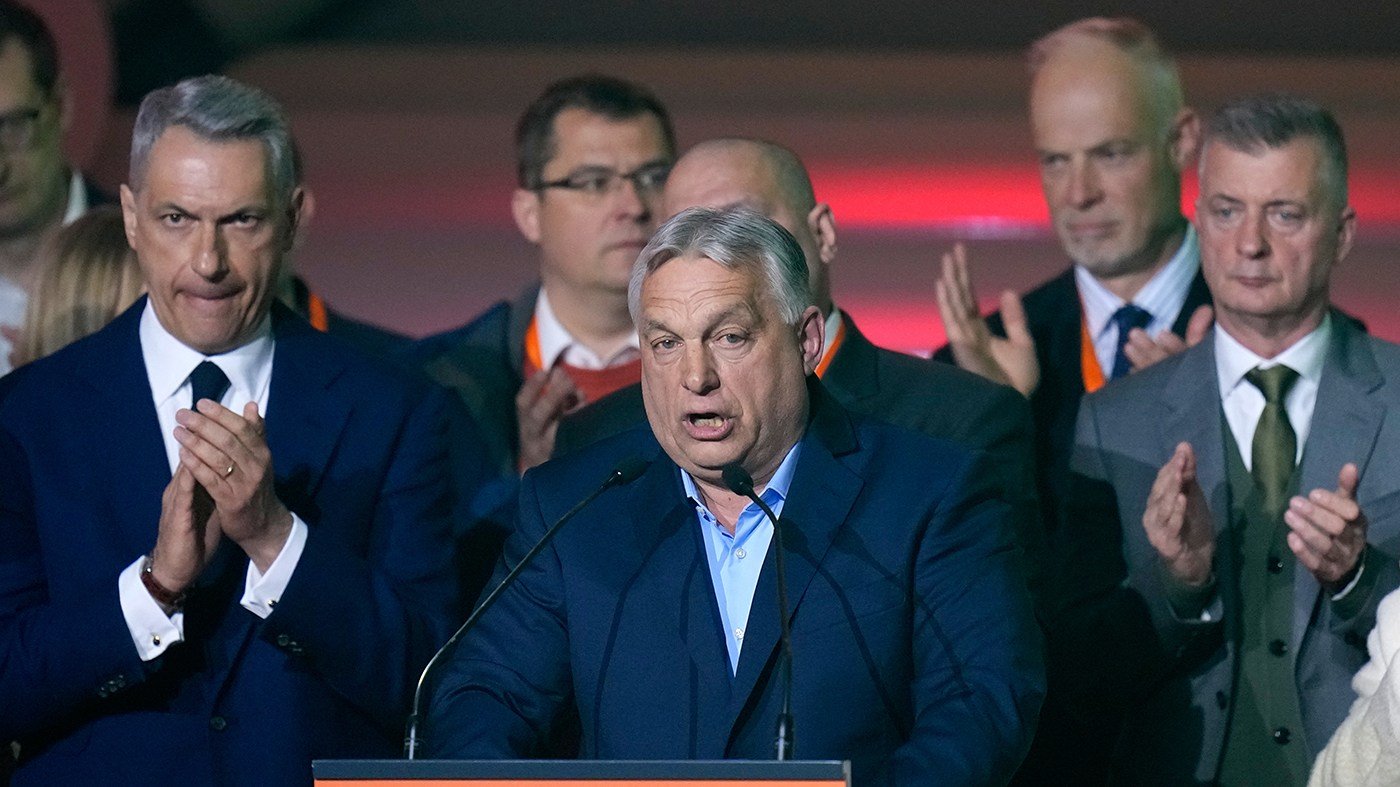
The conflict ignited over the weekend when President Trump launched a broadside against the pontiff on Truth Social, labeling him "WEAK" on crime and "terrible" for foreign policy. In a remarkable personal attack, Trump praised the pope's brother, Louis, as "all MAGA" while dismissing Pope Leo's approach to international affairs. "I don't want a Pope who thinks it's OK for Iran to have a Nuclear Weapon. I don't want a Pope who thinks it's terrible that America attacked Venezuela," the president wrote, referencing recent military actions.
This confrontation echoes Trump's frequent clashes with the late Pope Francis, who similarly faced presidential criticism for his positions on immigration and other political matters. The current pope has recently spoken against the ongoing war in Iran, asserting he is unafraid to voice his position despite political pressure.
Republican Leadership Backs Presidential Criticism
House Speaker Mike Johnson expressed discomfort with the pontiff's political commentary during a Wednesday press conference. "A pontiff or any religious leader can say anything they want, but obviously, if you wade into political waters, I should expect some political response," Johnson stated, adding he was "taken a little bit aback" by the pope's recent remarks. The Speaker's comments reflect broader GOP unease with religious figures engaging in geopolitical debates.
Vice President J.D. Vance, a practicing Catholic, offered a more pointed critique Tuesday, suggesting the Vatican should limit its focus to moral and ecclesiastical matters. "I certainly think that in some cases it would be best for the Vatican to stick to matters of morality, to stick to matters of what's going on in the Catholic Church and let the president of the United States stick to dictating American public policy," Vance asserted, defending Trump's right to challenge the pontiff's political statements.
Historic Visit Provides Backdrop for Diplomatic Statement
The pope's comments followed his landmark visit to the Great Mosque of Algiers, the largest mosque in Africa and a site never before visited by a pontiff. During the visit, he silently prayed and examined historical works related to Saint Augustine of Hippo. "His invitation to search for God and for truth is something that is very much needed today," Pope Leo remarked about the saint's legacy, framing his message within a broader spiritual context.
This diplomatic incident occurs as the Trump administration continues to emphasize its policy achievements, including plans to highlight permanent tax cuts amid ongoing international tensions. The president has simultaneously engaged in multiple cultural and political battles, from sharing religious-themed AI images to targeting Federal Reserve leadership.
The confrontation between the White House and the Vatican highlights deepening divisions over the appropriate role of religious leadership in geopolitical discourse, with significant implications for Catholic voters and international diplomatic relations. As both sides dig in their positions, the debate over where moral authority ends and political commentary begins remains sharply contested.