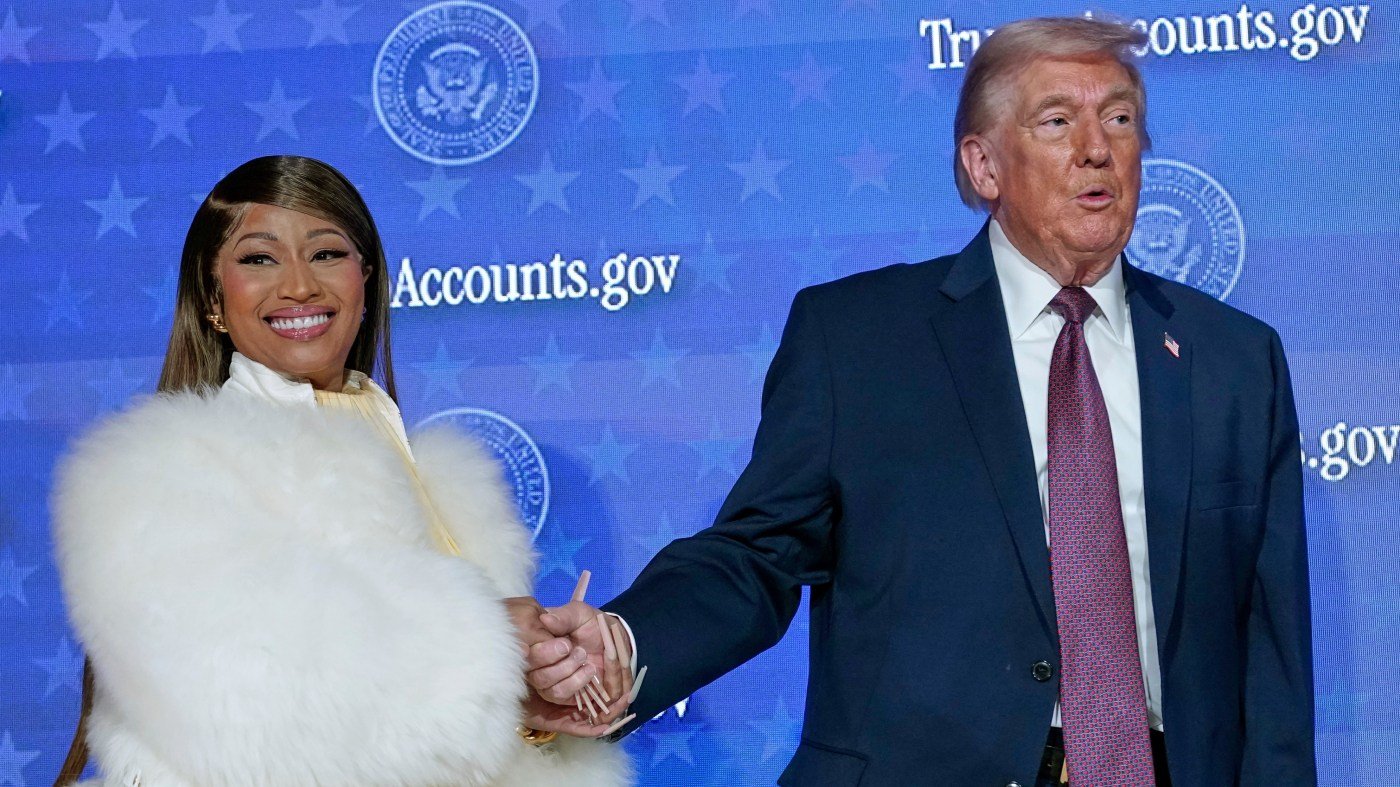
President Trump's administration attempted to center the political narrative on economic policy this week, but the effort was quickly eclipsed by a series of self-generated controversies involving religion and foreign conflict. As Treasury Secretary Scott Bessent and Small Business Administrator Kelly Loeffler promoted the administration's tax agenda, the news cycle was dominated by Trump's latest AI-generated image depicting Jesus Christ embracing him and an escalating war of words with Pope Leo XIV.
GOP Anxiety Over Message Discipline
The distractions arrive at a precarious moment for Republicans, who face historical headwinds in the upcoming midterm elections. Party strategists, donors, and lawmakers privately express frustration that the president's penchant for provocative online commentary is undermining efforts to maintain a disciplined focus on kitchen-table issues like inflation and gas prices, which have been exacerbated by the ongoing conflict with Iran. A recent Quinnipiac University poll found 57% of voters disapprove of Trump's handling of the economy, underscoring the challenge.
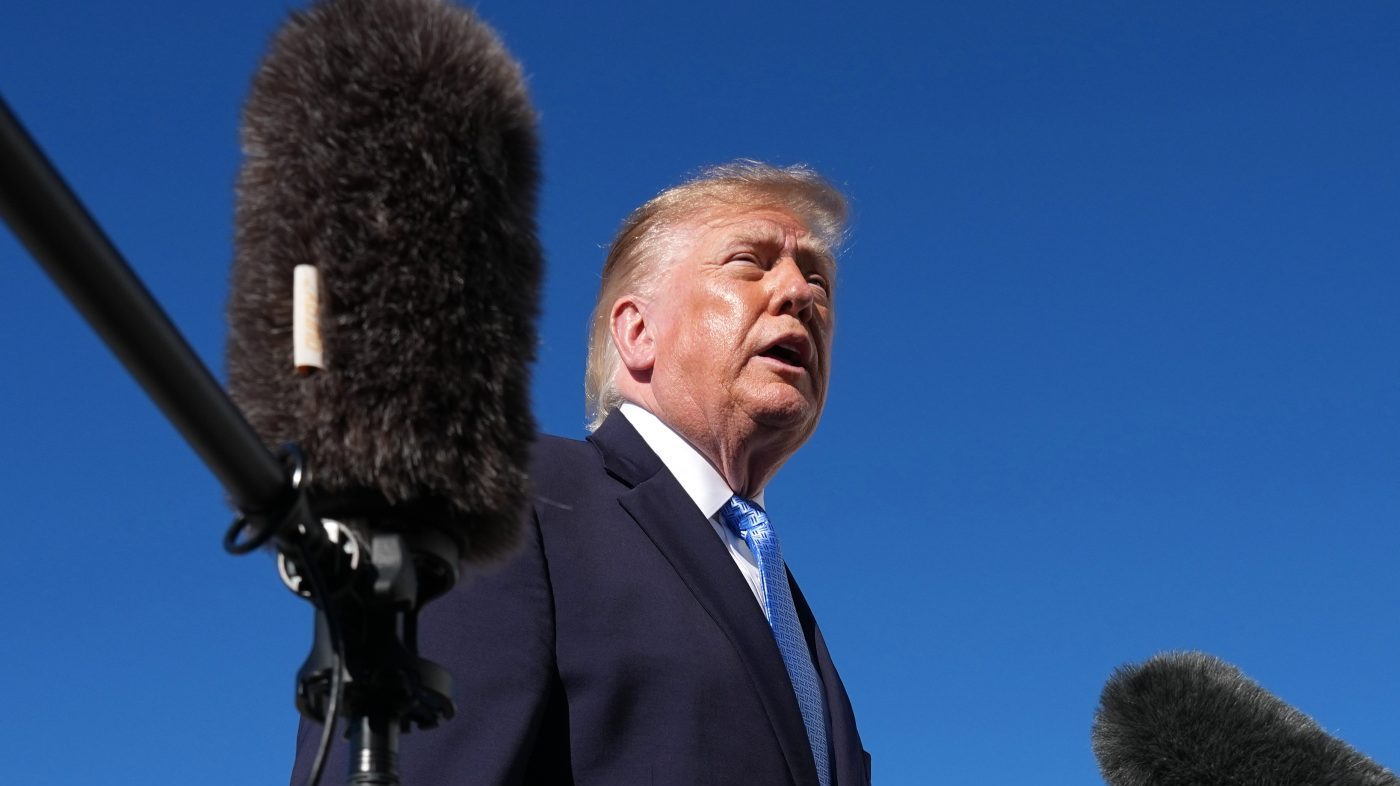
"Voters are focused on the economy in general," said Republican donor Dan Eberhart. "GOP candidates need Trump's head in the game." The concern is amplified by shifting Senate race ratings, with the nonpartisan Cook Political Report moving four contests toward Democrats, signaling that holding the chamber is not assured. In the House, Republicans are broadly seen as underdogs to keep their narrow majority.
White House Pushback and Internal Defense
The White House forcefully rejected the notion that the president is off-message. Spokesperson Kush Desai argued Trump "can walk and chew gum at the same time," pointing to recent executive orders on housing affordability and prescription drug discounts. Desai insisted domestic priorities remain the administration's focus, "before, during, and after Operation Epic Fury fully concludes."
Secretary Bessent, during Wednesday's briefing, projected optimism on both gas prices and electoral politics. He predicted Americans could see gas fall to $3 per gallon between June and September. When asked about the distractions, he framed Trump's approach as a deliberate communication strategy. "President Trump's one of the great communicators of my lifetime, maybe the greatest since Ronald Reagan... And he's won [the] election twice, so seems to work," Bessent said, describing the president's actions as part of a "montage and a mosaic."
The Controversial Posts and Political Fallout
The immediate firestorm began with an AI image many interpreted as portraying Trump in a Christ-like role. Though the president removed it at the urging of House Speaker Mike Johnson, a religious conservative ally, he later claimed it depicted him as a doctor. Undeterred by criticism, Trump doubled down by posting a new image of Jesus embracing him, captioning it, "The Radical Left Lunatics might not like this, but I think it is quite nice!!!"
This episode, combined with his continued criticism of Pope Leo XIV's anti-war stance, has drawn concern from within Trump's own circle. Mick Mulvaney, his former chief of staff, warned such actions do nothing to galvanize the Republican base in a turnout-critical election. "Anything that doesn't help turnout helps Democrats, and that post doesn't help turnout," Mulvaney stated.
Broader Context of Controversy
This pattern is familiar for Trump, who has long used social media to command news cycles and spar with opponents. While Republicans have largely tolerated this stream-of-consciousness style, the proximity of the midterms and the serious backdrop of war and economic anxiety appear to be testing that tolerance. The administration's policy agenda, including Melania Trump's push for foster care reform, risks being lost in the noise.
Ultimately, while the furor over religious imagery and papal feuds may fade, the fundamental political landscape is defined by more enduring forces. The state of the economy and the trajectory of the Iran war present far more significant challenges for the White House and Republican candidates than any single social media post. As one strategist noted, these distractions may not alter the election's outcome, but they consume oxygen needed to articulate a compelling case for the administration's record and future plans.