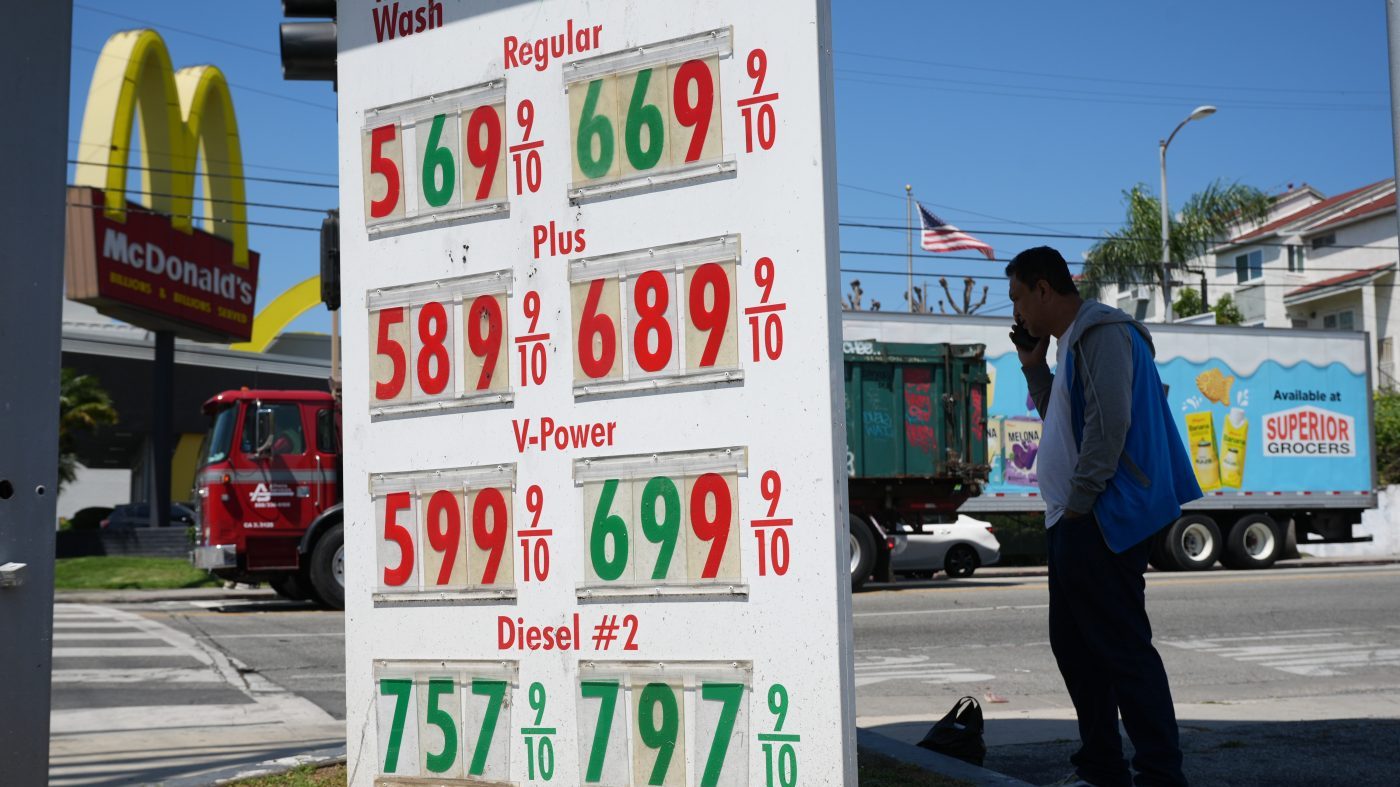
A clear majority of American voters hold President Donald Trump responsible for the sharp increase in gasoline prices, according to a new national survey from Quinnipiac University. The poll, conducted from April 9-13, reveals that 51% of registered voters blame Trump "a lot" for the price spike, with another 14% blaming him "some." Combined, this represents 65% of the electorate assigning at least some level of fault to the administration.
Partisan Fault Lines on Fuel Costs
The survey exposes deep political divisions over who bears responsibility for costs at the pump. The blame is nearly universal among Democrats, with 91% holding Trump primarily accountable. A majority of political independents, 53%, also fault the president "a lot." The sentiment within the Republican Party is inverted: 53% of GOP voters say Trump is not to blame at all, while only 9% blame him "a lot." The findings suggest gas prices have become a potent political liability for the White House as midterm elections approach.
The national average for a gallon of regular gasoline currently stands at $4.04, according to AAA data. This represents a significant increase from $3.17 per gallon at this time last year, as reported by the U.S. Energy Information Administration. The primary driver of the price surge is a geopolitical crisis: Iran's closure of the Strait of Hormuz, a critical maritime chokepoint responsible for roughly one-fifth of global daily oil shipments. The closure followed the onset of a U.S.- and Israeli-led military campaign in the region.
Administration Responses and Market Realities
President Trump struck an optimistic tone this week, predicting prices would drop "tremendously" in the coming months and stating he did not expect high oil prices to persist through the election season. This outlook contrasts sharply with a recent assessment from his own Energy Secretary. Energy Secretary Chris Wright warned on Sunday that prices may not retreat below $3 per gallon until next year, citing the ongoing disruption in the Persian Gulf.
In response to the Hormuz closure, the United States has established a naval blockade to prevent Iran from selectively granting passage to oil tankers. The administration's rhetoric toward Tehran has grown increasingly confrontational, with some officials offering robust defenses of the president's stance. For instance, Rep. Mike Waltz recently defended Trump's threats against Iranian infrastructure as "perfectly acceptable" in the context of the conflict.
Diplomatic efforts to resolve the crisis are underway, with U.S. and Iranian officials scheduled to commence talks in Islamabad, Pakistan, aimed at ending hostilities. International leaders have broadly called for de-escalation and a swift reopening of the strategic strait. The Quinnipiac poll indicates American public opinion is wary of further military escalation: 53% of voters oppose U.S. military action against Iran, while 40% support it.
Broader Political Repercussions
The gas price crisis intersects with broader critiques of the Trump administration's foreign and domestic policy approach. Critics have argued that the president's war rhetoric has fused inflammatory language with nationalist themes, complicating diplomatic outreach. Furthermore, the focus on the immediate crisis comes amid concerns that other policy areas, like scientific research, are being neglected, with proposed deep cuts to the National Science Foundation threatening U.S. competitiveness.
The Quinnipiac University poll surveyed 1,028 self-identified registered voters nationwide and carries a margin of error of +/- 3.8 percentage points. As the administration grapples with the intertwined challenges of energy markets, Middle East conflict, and domestic politics, voter perceptions of responsibility for economic pain will likely play a defining role in the upcoming electoral cycle.