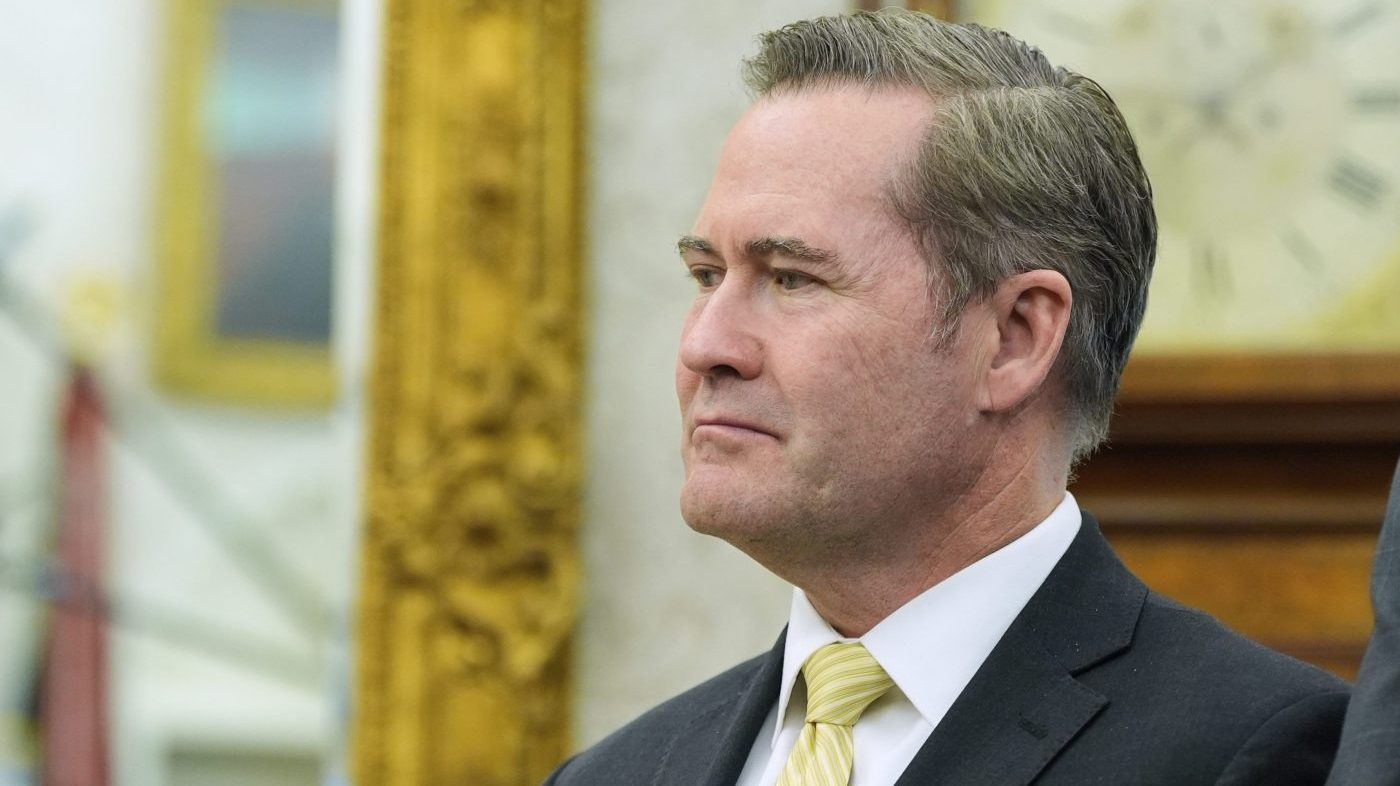
U.S. Ambassador to the United Nations Mike Waltz publicly endorsed President Trump's threats against Iranian civilian infrastructure on Sunday, framing the potential military action as a legitimate escalation in ongoing tensions. The defense came hours after Trump warned that if Tehran rejects a proposed peace deal, American forces would target "every single power plant and every single bridge" in the country.
War Crime Questions Dismissed
Pressed by ABC's Jon Karl on whether such strikes would constitute war crimes, Waltz characterized them as part of an "escalatory ladder." He argued that historical precedent, specifically Allied bombing campaigns against German infrastructure during World War II, provided justification. "Those targets could be used for civilian purposes but also are used to manufacture drones and missiles," Waltz stated, drawing a direct parallel to the current situation with Iran.
The legal framework for such actions is contested. Article 8 of the Rome Statute of the International Criminal Court defines intentional attacks on civilian objects not engaged in hostilities as war crimes. However, the United States is not a party to the ICC, a position the Trump administration has reinforced. Last year, the president imposed sanctions on the court after it issued an arrest warrant for Israeli Prime Minister Benjamin Netanyahu, asserting in an executive order that the ICC "has no jurisdiction over the United States or Israel."
Accusations of Commingling and Hypocrisy
Waltz leveled sharp accusations against the Iranian government to justify the hardline stance. He claimed the regime and its proxy forces "deliberately hide military infrastructure in hospitals, schools, neighborhoods and other civilian assets," thereby forfeiting any moral high ground. "They have no ground to stand on," he asserted.
"Number two, they have a long history of commingling," the ambassador continued. "Number three, it's perfectly acceptable in the rules of land warfare. Number four, the Iranian regime is launching drones and missiles directly into civilian homes, hotels and resorts across the Gulf." This rhetoric aligns with a broader pattern of heightened war rhetoric from the administration that critics warn dangerously escalates conflict.
Waltz concluded by dismissing criticism as "ridiculous," specifically targeting arguments from Iranian officials, media reports, and Democratic lawmakers in Washington. His defense echoes similar justifications offered by other administration allies, such as when Rep. Elise Stefanik defended Trump's earlier threats in a televised debate.
The threats come at a time of heightened military readiness. Reports indicate the Iranian military is on high alert as diplomatic deadlines loom, and Trump has issued warnings of renewed strikes if Iran moves to close key strategic waterways. The administration's approach represents a maximalist pressure campaign, leveraging military threats to force diplomatic concessions.
The controversy underscores a deep divide in how international law is interpreted and applied. While the administration and its defenders cite historical military doctrine and the alleged actions of adversaries, critics and legal experts warn that threatening civilian infrastructure crosses a red line, regardless of the legal technicalities of ICC jurisdiction. The debate is likely to intensify as the deadline for Iran's response to the U.S. proposal approaches, with significant implications for regional stability and the laws governing modern conflict.