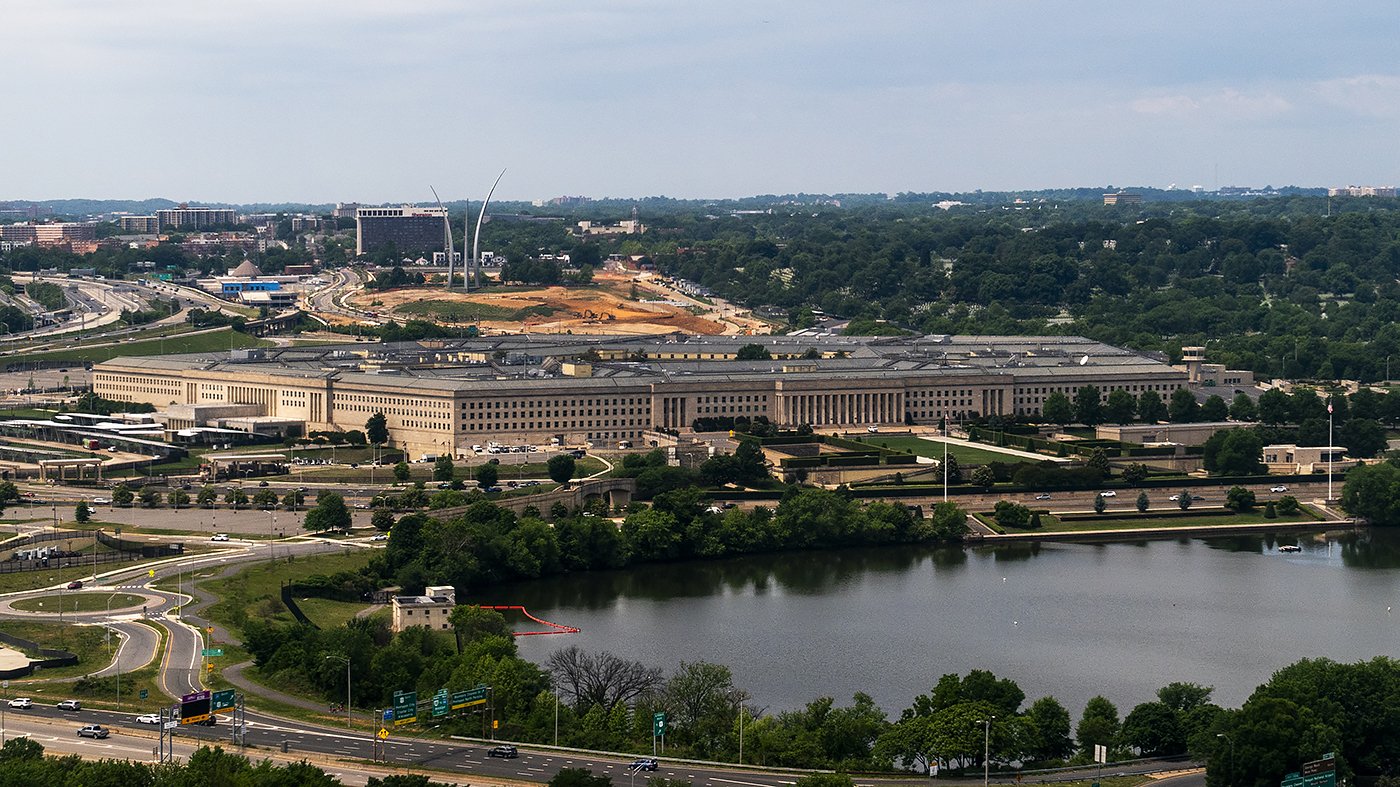
Two Pulitzer Prize-winning journalists who serve on the advisory board of the Stars and Stripes military newspaper have taken legal action against the Pentagon, alleging that the Defense Department's recent overhaul of the publication amounts to an assault on its editorial freedom. The lawsuit, lodged on Wednesday, seeks a federal court order to halt what it describes as the Pentagon's bid to "exert unprecedented control" over the news outlet, effectively censoring its coverage.
Paul Wolfson, a senior legal adviser at Democracy Forward, which represents the plaintiffs, issued a statement condemning the move. "Unlawfully censoring 'the soldiers' paper' is an insult to the dedicated members of the armed forces and an attack on the freedom of speech – a foundational Constitutional principle for which those brave servicepeople dedicate their lives," Wolfson said.
The complaint was filed on behalf of Susan Dardarian and William Church, both members of the newspaper's advisory board and distinguished journalists with Pulitzer Prizes to their names. They argue that the Pentagon's actions violate a 1994 framework that guaranteed Stars and Stripes editorial independence, requiring a "free flow of news and information to [its] readership without news management or censorship."
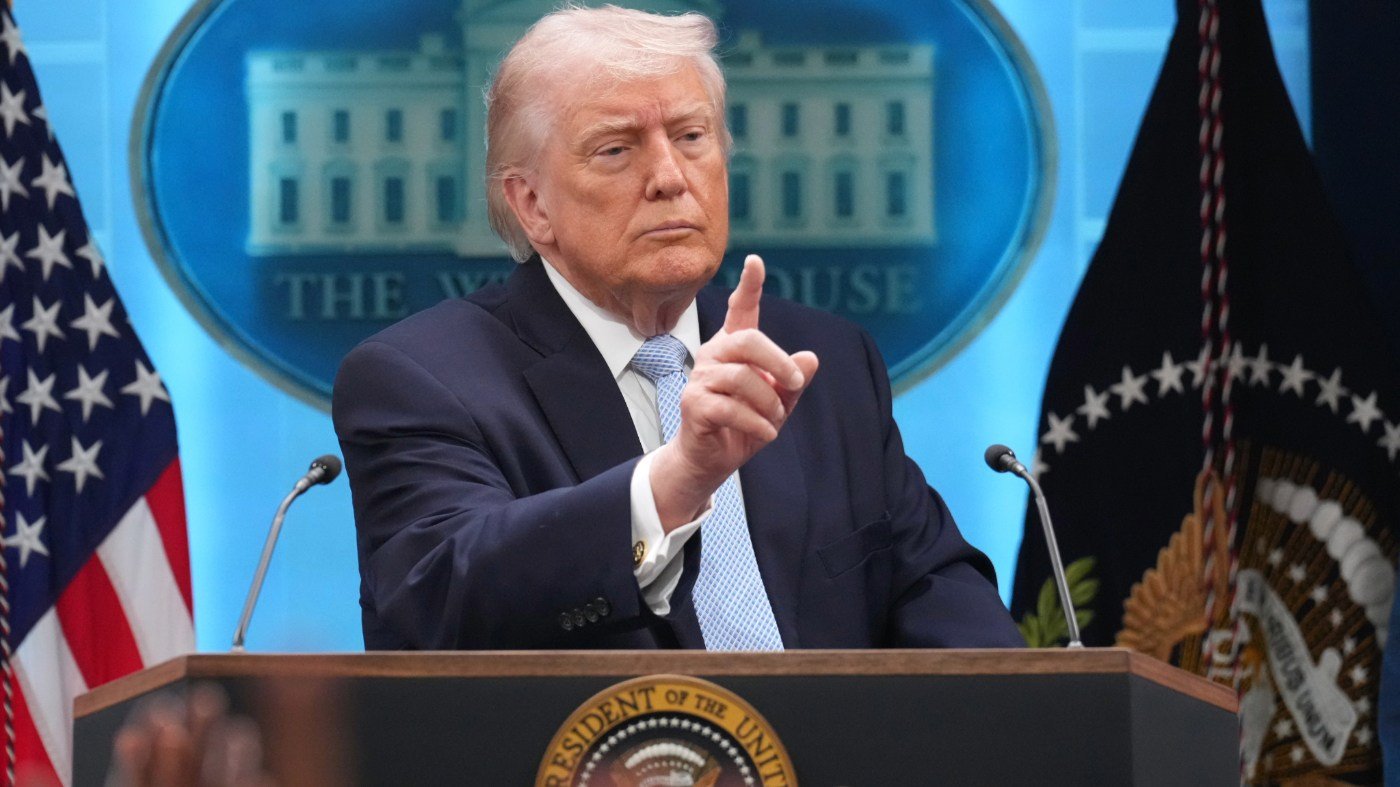
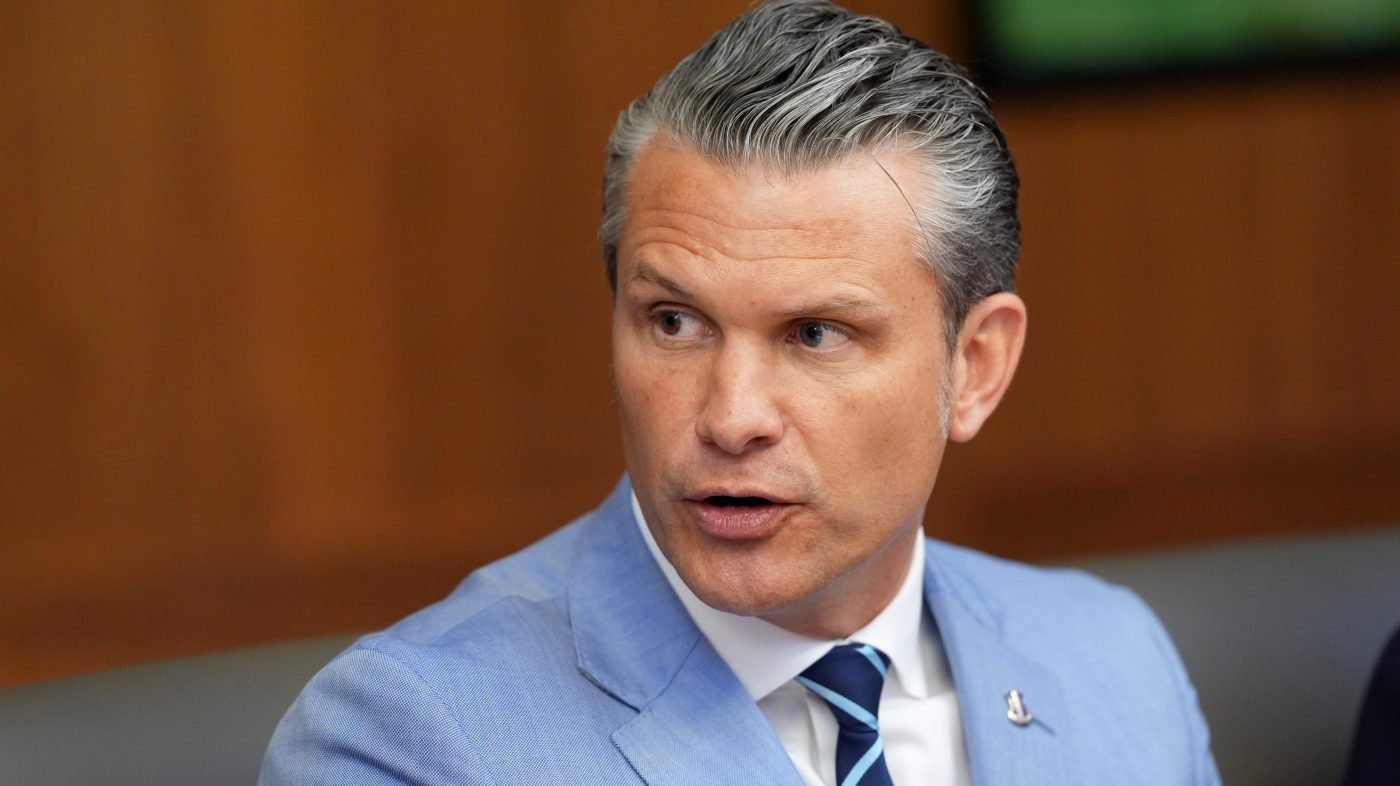
Under President Trump's second term, the Pentagon has moved to reshape the newspaper's editorial direction. In January, Defense Department spokesperson Sean Parnell announced plans to "modernize its operations" and "refocus its content away from woke distractions." A March memo formalized these changes, mandating that all content align with "good order and discipline of the military" and banning the use of cartoons or stories from commercial news outlets like The Associated Press.
The lawsuit contends that the memo pays lip service to editorial independence while imposing restrictions that directly contradict it. "Although the DoD Memorandum paid lip service to the notion that the newspaper would continue to have editorial independence, it imposed unprecedented restrictions on newsroom operations and content that directly contradict that independence," the filing states.
Plaintiffs further allege that the new policies were enacted without notice or input from the newspaper, violating the Administrative Procedures Act, and that they run afoul of the First Amendment by "restraining rights guaranteed to the press and denying readers access to Stripes' content, including its editorial discretion." The lawsuit also references the ouster of Jacqueline Smith, the newspaper's ombudsman, in April after she criticized the restrictions. The ombudsman is responsible for monitoring editorial independence and reporting concerns to Congress.
This legal challenge comes amid broader tensions between the Pentagon and the press. In a related move, the Pentagon locked out journalists from its press office, designating it a classified space, raising further concerns about transparency.
Parnell responded to the lawsuit on Wednesday via social media, dismissing it as baseless. "The lawsuit is without merit, and the Department expects to prevail," he wrote on X. "The Department remains committed to a Stars and Stripes that is modern, mission-focused, and worthy of the servicemembers it serves."
The case highlights ongoing disputes over military media independence, echoing other controversies such as the appointment of a convicted Jan. 6 rioter to a Pentagon counterterrorism role, which critics argue signals a politicization of defense institutions. As the lawsuit unfolds, it will test the boundaries of Pentagon authority over a publication long seen as a voice for troops.