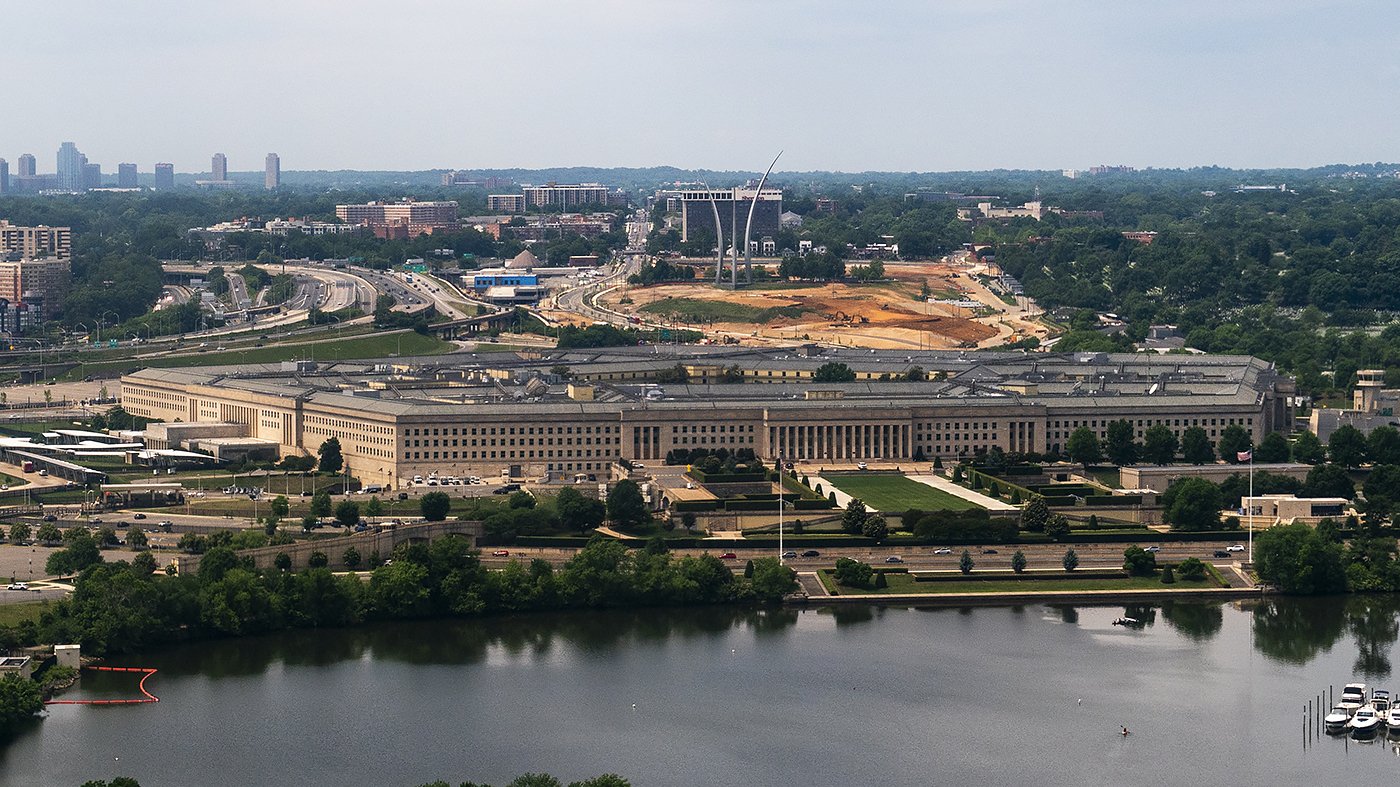
The Pentagon has taken the extraordinary step of barring reporters from its press office, reclassifying the space as a Sensitive Compartmented Information Facility (SCIF). The move effectively ends years of informal access that allowed journalists to approach military public affairs officials without escorts and ask questions on the record.
Joel Valdez, the acting Pentagon press secretary, confirmed the change in a statement Monday, citing the need to protect classified work by speechwriters from Defense Secretary Pete Hegseth’s office who now use the area. “These speechwriters routinely handle classified material and require SIPRNet access. As a result, journalists will no longer be permitted to enter the office space,” Valdez said. He added that access to the offices of the Assistant to the Secretary of War for Public Affairs and the Press Secretary remains available only by appointment.
The Secret Internet Protocol Router Network (SIPRNet) is a classified computer network used by the Pentagon and State Department to share sensitive information. The reclassification of the press office as a SCIF marks a significant escalation in the Pentagon’s ongoing push to limit journalist access, even as courts have repeatedly sided with press freedom advocates.
Reporters have historically had broad access to public areas of the Pentagon, including the press office, where they attended briefings and cultivated sources. That era appears to be ending. Under Hegseth, the department has revoked access to most facilities, and the new SCIF designation could mean that even if reporters regain building access, their ability to interact with media affairs officials will be permanently scaled back.
The change was first reported by The Washington Post. It comes amid a broader crackdown that began in October, when hundreds of reporters surrendered their Pentagon press passes rather than sign a new policy requiring them to pledge not to solicit any unauthorized material, even if unclassified, or risk losing credentials. Hegseth and his team argue the policy is necessary to prevent leaks of classified information and protect national security. Critics, including press freedom groups, contend it violates First Amendment rights.
The New York Times sued the Pentagon over the policy, and a federal judge struck it down in March. The Defense Department has appealed that ruling. Last month, the Times filed another lawsuit to block a new requirement that journalists be escorted on Pentagon grounds, calling it unconstitutional.
The Pentagon’s escalating restrictions have drawn comparisons to other recent controversies, such as the $9.7 billion Dell deal that raised conflict-of-interest questions and the ongoing debate over Iran deal prolongation under Trump’s pressure. The press office lockdown further strains the relationship between the military and the media, raising concerns about transparency at a time when the U.S. is engaged in multiple global flashpoints.
Journalists and press advocates warn that the SCIF designation could set a precedent for other government agencies to restrict media access under the guise of classification. The Pentagon has not indicated whether it plans to reverse the decision, and Hegseth’s office has declined further comment.