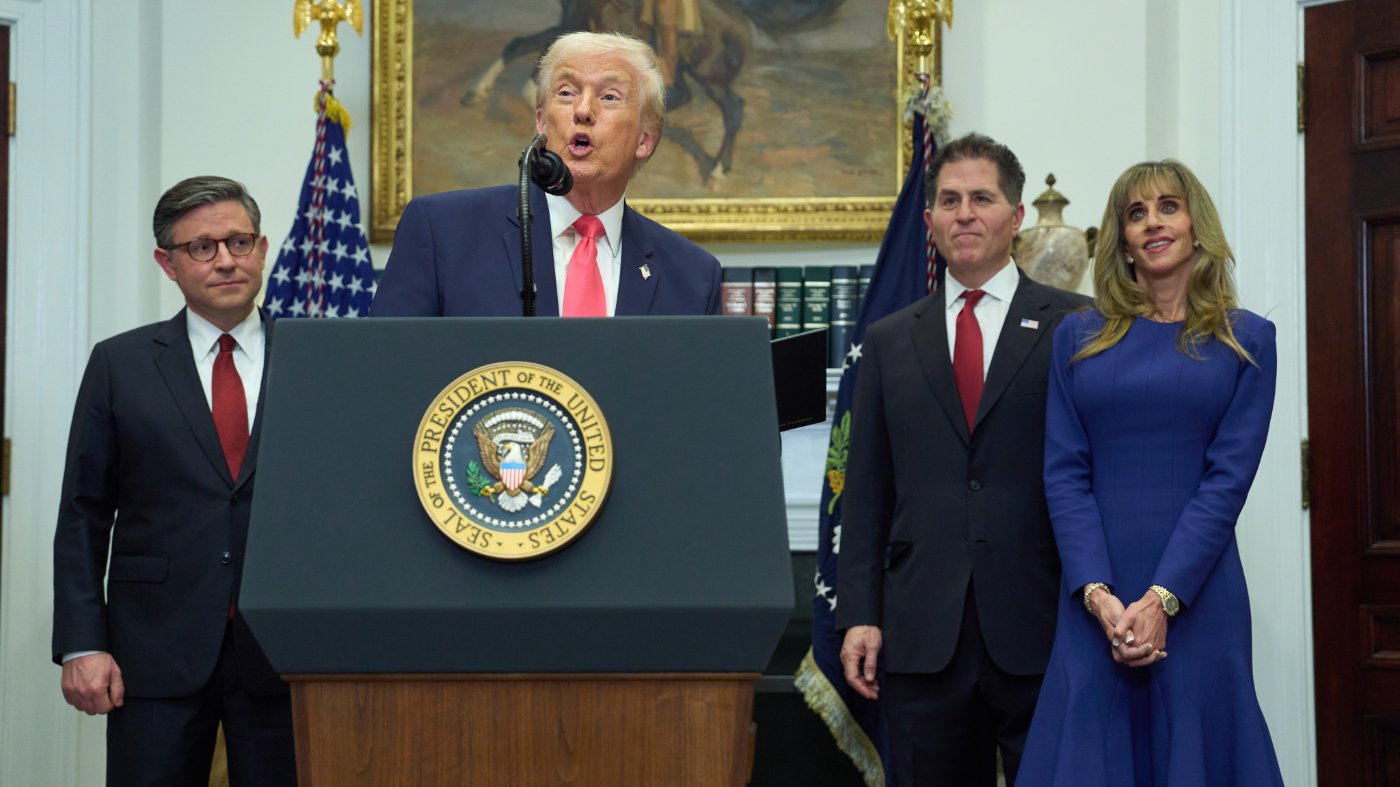
The Pentagon's decision to award a $9.7 billion contract to Dell Technologies is drawing scrutiny over potential conflicts of interest, given President Trump's recent stock purchases in the company and his public endorsements of its products.
The Department of Defense announced Wednesday a five-year blanket purchase agreement with Dell for Microsoft software and cloud services, consolidating dozens of existing contracts into a single enterprise-wide deal. The agreement covers the Defense Department, the intelligence community, and the U.S. Coast Guard.
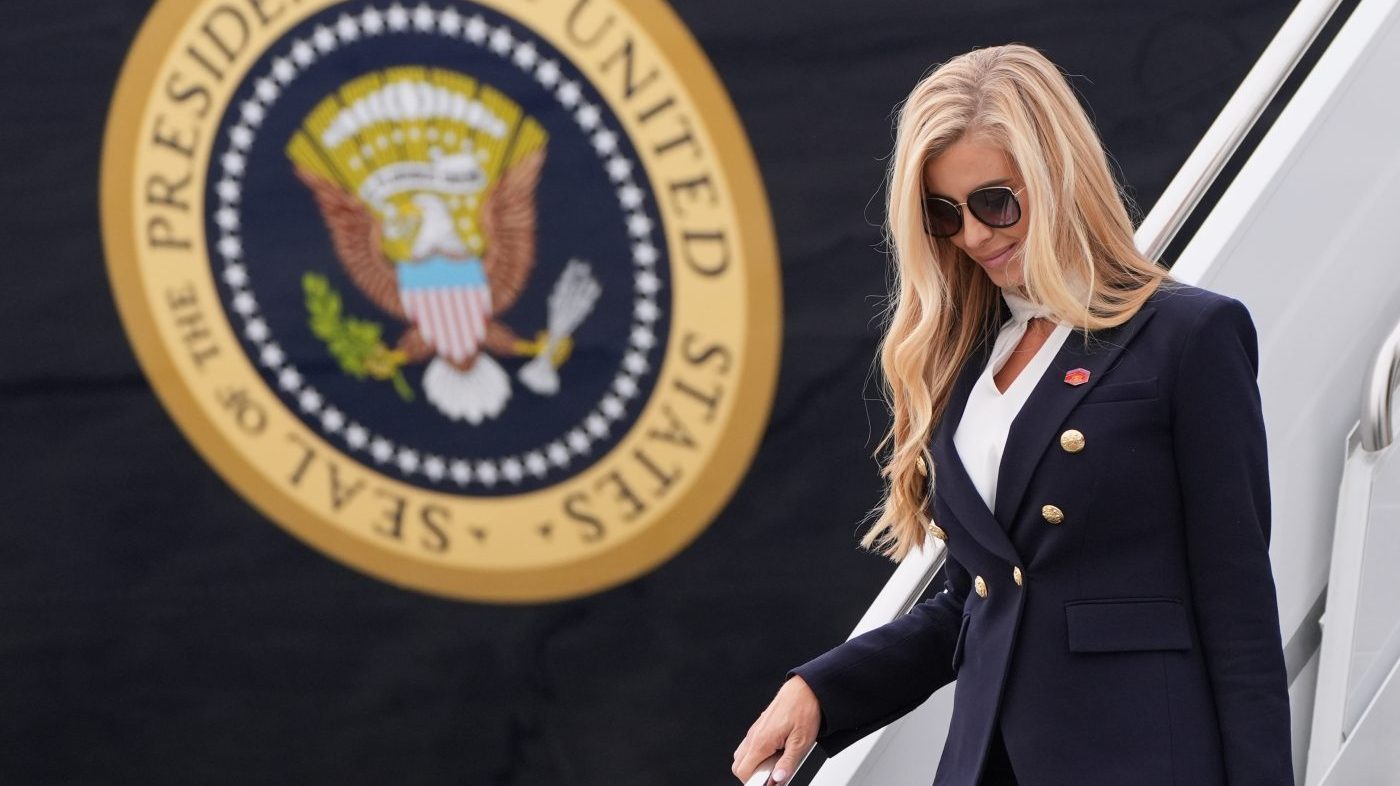
Kirsten Davies, the Pentagon's chief information officer, said the deal will streamline and consolidate critical Microsoft software and services, using the administration's preferred term for the department: the Department of War.
Trump's Financial Ties to Dell
The contract comes as Trump has repeatedly invested in Dell. According to his most recent ethics disclosure, he purchased between $1 million and $5 million in Dell stock in early February, followed by several smaller purchases in March. The Trump Organization has said the president does not personally control stock transactions, which are handled by third-party brokers.
Trump has also urged supporters to buy Dell hardware and praised the company at rallies. At a February event in Rome, Georgia, he called the company's products "great" and noted that Dell CEO Michael Dell had pledged over $6 billion to Trump Accounts—the president's investment accounts for children.
Michael Dell, who also serves on the President's Council of Advisors on Science and Technology, has been a prominent supporter of the Trump Accounts initiative. White House spokesperson Kush Desai said Trump's praise for the Dells stems from their "patriotic contribution" to the accounts, which benefit working-class American children.
Ethics Watchdogs Sound Alarm
Government ethics watchdogs argue the contract raises serious conflict of interest concerns. Greg Williams, director of the Center for Defense Information at the Project on Government Oversight, said awarding a nearly $10 billion contract to a company closely tied to a friend and donor of the president "seems like an obvious conflict of interest."
Margaret Dylus-Yukins, senior legal counsel for ethics at Campaign Legal Center, echoed those worries, noting that Michael Dell's role on the science and technology advisory council subjects him to federal ethics rules. She said the deal highlights the "limitations of the current ethics rules and the need for widespread ethics reform."
Presidents are not required to divest financial holdings that could pose conflicts of interest and are exempt from a federal law barring executive branch employees from official actions that benefit their personal finances. Williams noted that while the Dell contract does not violate existing rules, past presidents have avoided even the appearance of such conflicts.
"By choosing instead to engage in this and other behaviors that seem like obvious conflicts of interest, the president has created an opportunity for Congress to reconsider whether the president should remain exempt," Williams said.
Dylus-Yukins, a former Office of Government Ethics attorney, agreed the deal is not a technical ethics violation but said it underscores the need for reform. The controversy adds to a growing list of ethics questions surrounding Trump's business interests and his administration's contracting decisions.
For more on related ethics and defense policy issues, see our coverage of Bessent's support for Trump's $250 bill plan and the federal judge blocking Trump's Kennedy Center changes.